Snake Plant Care Secrets: Light, Water & Soil
Are you struggling to keep your snake plant thriving, despite its reputation as an unkillable houseplant? You’re not alone! Many plant enthusiasts find themselves bewildered by the seemingly simple needs of this resilient beauty. While often hailed as beginner-friendly, understanding the nuances of snake plant care is key to unlocking its full potential, transforming it from merely surviving to absolutely flourishing. Let’s dig deep into the secrets of light, water, and soil to ensure your Mother-in-Law’s Tongue becomes the vibrant centerpiece it’s meant to be.
Table of Contents
Tools & Soil Requirements
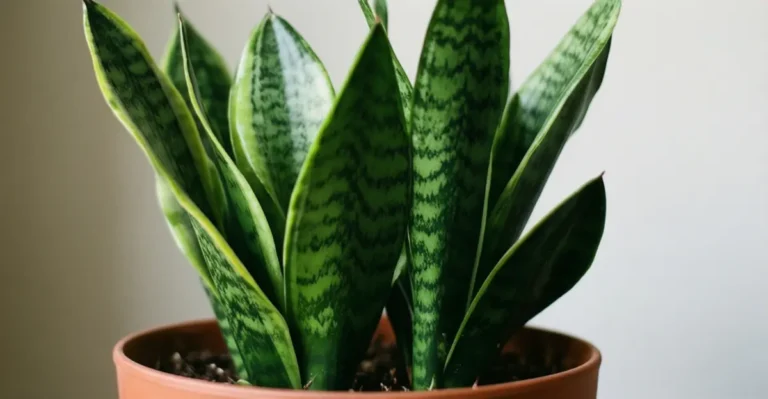
Cultivating a magnificent snake plant starts with the right foundation. For soil, think drainage, drainage, drainage! Your snake plant care regimen should always prioritize a well-aerated, fast-draining potting mix. A commercial succulent or cactus mix is ideal, as it typically contains perlite or pumice, ensuring that dreaded root rot is kept at bay. If you’re a DIY enthusiast, a blend of 50% regular potting soil, 25% perlite, and 25% coarse sand offers that perfect loamy, gritty texture your snake plant craves.
Essential Tools:
- Pot with Drainage Holes: Non-negotiable! Ceramic or terracotta pots are excellent choices as they allow for better airflow and wick away excess moisture.
- Quality Potting Mix: As described above, prioritize a fast-draining blend.
- Small Trowel or Hand Rake: For transplanting and aerating the soil surface.
- Watering Can with a Fine Spout: Helps control water distribution, preventing overwatering.
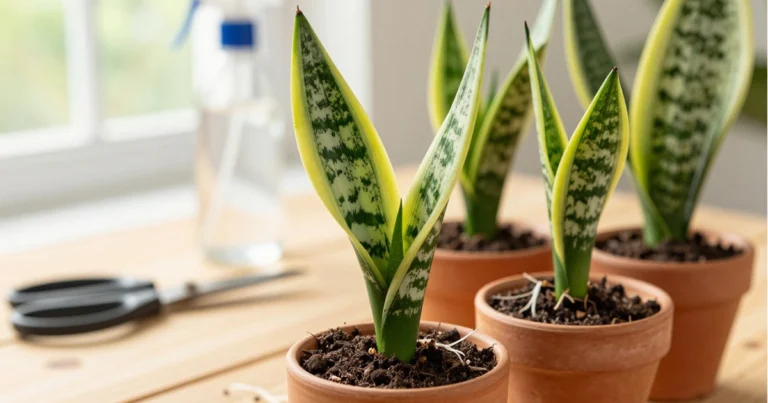
- Pruning Shears/Scissors: For removing damaged leaves or propagating. Ensure they are clean and sharp.
- Gloves (Optional): While not strictly necessary, they can keep your hands clean.
Climate & Environment:
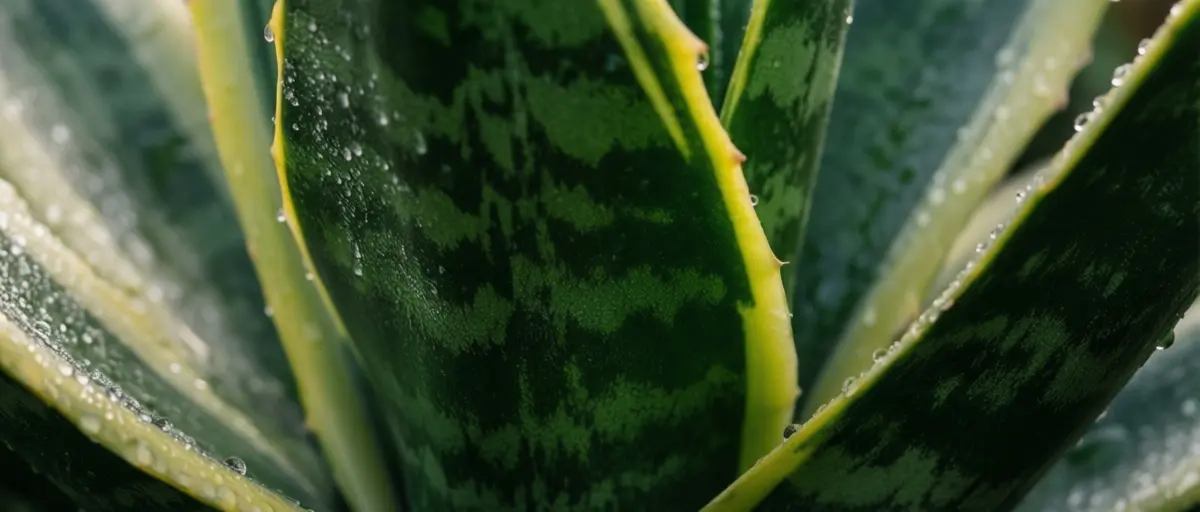
Snake plant thrive in average room temperatures, ideally between 65-80°F (18-27°C). They are incredibly resilient and can tolerate lower temperatures (down to 50°F / 10°C) for short periods, but sustained cold can be detrimental. High humidity isn’t a problem, but they are equally happy in dry indoor air, making them perfect for most home environments.
Best Planting Season & Timing
The best time to plant or repot your snake plant care is during its active growing season: spring or early summer. This allows the plant ample time to establish itself in its new home before the cooler, darker months arrive. While snake plants don’t technically “germinate” like seeds, new pups (offsets) emerge from the soil. When propagating from cuttings, roots typically begin to form within 4-8 weeks, and noticeable new growth usually appears within 2-3 months. This growth rate is relatively consistent for most houseplants, offering a predictable timeline for your propagation efforts.
Step-by-Step Planting Instructions
Ready to give your snake plant a new home or propagate a precious piece? Follow these simple steps:
Choose the Right Pot Size
Select a pot that’s only slightly larger than the current root ball. Snake plants actually prefer to be a little root-bound, as this encourages them to focus energy on foliage rather than just roots. Aim for a pot that’s 1-2 inches wider in diameter than the root ball.
Prepare Your Pot and Soil
Place a small piece of mesh screen or a coffee filter over the drainage hole to prevent soil from escaping while allowing water to pass through freely. Fill the bottom 1/4 to 1/3 of the pot with your well-draining potting mix.
Gently Remove the Plant
Carefully slide your snake plant from its current container. If it’s stubborn, gently squeeze the sides of a plastic pot, or for ceramic, you may need to run a knife along the inner rim to loosen it. Handle by the root ball, not the leaves.
Position the Plant
Center your snake plant care in the new pot, ensuring the top of the root ball is about 1 inch below the rim of the new pot. This gap provides sufficient space for watering without overflow.
Backfill with Soil
Carefully fill the pot with the remaining potting mix, gently tamping it down around the roots with your fingers. Avoid packing it too tightly, as this can impede drainage and root growth.
Water Thoroughly
After repotting, water your snake plant generously until water drains from the bottom. This helps settle the soil and eliminate air pockets.
Post-Planting Care
Place your newly potted snake plant in a location with bright, indirect light. Avoid direct sunlight for the first week or two to allow it to recover from the transplant shock. Do not water again until the soil is completely dry to the touch, generally for 2-4 weeks after repotting.
Plant Care Essentials
Optimizing your snake plant care hinges on understanding its fundamental needs for light, water, and temperature.
Water Needs: This is where most plant parents go wrong! The golden rule for snake plant is underwatering is always better than overwatering. Allow the soil to dry out completely between waterings. In summer, this might mean every 2-4 weeks. In winter, reduce watering significantly, perhaps monthly or even less, depending on your home’s humidity and temperature. When you do water, water thoroughly until it drains from the bottom. Empty any standing water in the saucer.
Sunlight Requirements: While snake plant can tolerate low light conditions, they thrive in bright, indirect light. Placing them near a south- or west-facing window where they receive filtered sun will result in faster growth and more vibrant foliage. Intense, direct sun can scorch their leaves, while extremely low light can stunt growth and dull their colors.
Temperature Tolerance: As mentioned, average room temperatures (65-80°F / 18-27°C) are ideal. They are quite hardy in USDA Zones 9-11 if planted outdoors, but as houseplants, consistent room temperature is best. Avoid placing them near drafty windows or air conditioning vents where they might experience sudden temperature fluctuations.
Best Varieties & Companion Plants
The world of snake plant (Sansevieria/Dracaena trifasciata) is surprisingly diverse! For easier cultivation and unique aesthetics, consider these top varieties:
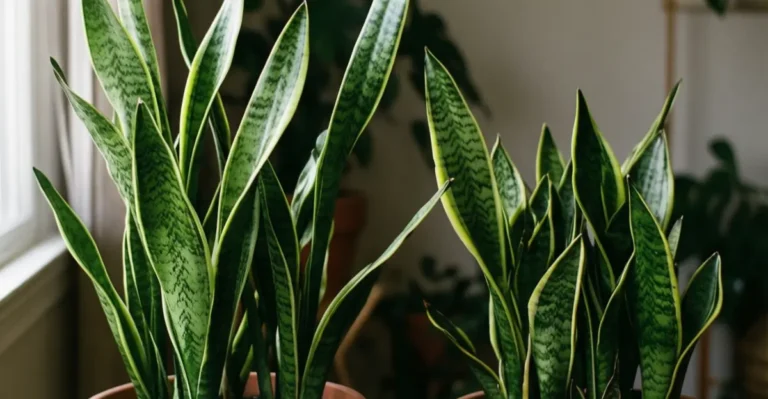
- Sansevieria trifasciata ‘Laurentii’: The classic, tall variety with striking yellow margins. Incredibly resilient and a great air purifier.
- Sansevieria trifasciata ‘Hahnii’ (Bird’s Nest Snake Plant): A compact, rosette-forming variety perfect for small spaces, shelves, or as a desk plant. Low maintenance and adorable.
- Sansevieria cylindrica (African Spear Plant): Features distinct, round, spear-like leaves that grow erect. Offers a minimalist, architectural look.
- Sansevieria masoniana ‘Whale Fin’: Known for its single, broad, paddle-shaped leaf. A true statement piece and a conversation starter, though slightly slower growing.
Companion Plant Ideas (for aesthetic grouping indoors):
Since snake plant are self-sufficient, companion planting isn’t for ecological benefit, but rather for creating stunning indoor displays. Choose plants with similar light and watering needs that complement its upright form:
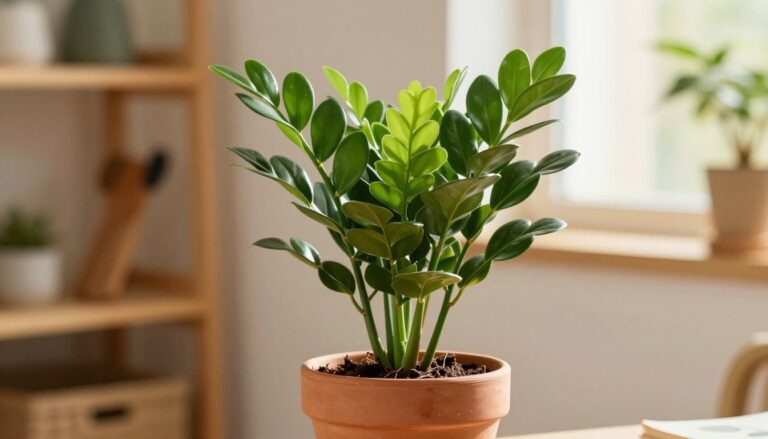
- ZZ Plant (Zamioculcas zamiifolia): Another low-maintenance superstar that thrives on neglect and similar light conditions.
- Pothos (Epipremnum aureum): Its trailing vines offer a beautiful contrast against the snake plant’s vertical structure.
- Fittonia (Nerve Plant): Adds a pop of color with its vibrant veining, thriving in similar indirect light conditions.
Landscape Uses & Harvest Tips
While primarily an indoor plant, snake plant can be incorporated into outdoor landscapes in warmer climates (USDA Zones 9-11) or used as elegant patio plants.
Creative Landscape Uses:
- Architectural Feature: Their strong, upright form makes them excellent focal points in modern or minimalist garden designs.
- Borders & Edging: Planted in rows, they create a neat, evergreen border along pathways or flower beds.
- Container Groupings: Ideal for creating dynamic container arrangements on patios or balconies, especially when paired with trailing plants.
- Office & Home Decor: Beyond the garden, their striking appearance and air-purifying qualities make them perfect for enhancing interior spaces, from minimalist to bohemian. Consider grouping different varieties on a plant stand for varied heights and textures.
Harvesting Tips (for Propagation):
While not edible, you can “harvest” leaves for propagation!
- Leaf Cuttings: Use clean, sharp shears to cut a healthy, mature leaf near the base. You can then cut this leaf into 2-4 inch sections.
- Rhizome Division: When repotting, carefully separate offsets (pups) that have developed their own root system from the main plant. Each division can be replanted as a new snake plant care.
Common Pests & Diseases to Avoid
One of the many joys of snake plant is their robust resistance to most pests and diseases. However, no plant is entirely immune.
Primary Adversary: Root Rot. This is hands down the most common killer of snake plants, directly linked to overwatering.
- Prevention: Ensure excellent drainage and always let the soil dry out completely between waterings. Use terracotta pots, which help wick away excess moisture.
- Treatment: If caught early (mushy stem base, yellowing leaves), unpot the plant, remove all rotted, mushy roots, allow the root ball to dry out for a day or two, and repot in fresh, well-draining soil.
Occasional Pests:
- Mealybugs: Small, white, cottony insects found in leaf axils or undersides.
- Treatment: Swab with rubbing alcohol, or use insecticidal soap.
- Spider Mites: Tiny, almost invisible pests that create fine webbing. More common in dry, dusty conditions.
- Treatment: Increase humidity, wipe leaves with a damp cloth, or use neem oil.
- Fungus Gnats: Small, dark flies often seen hovering around the soil surface. They’re mostly harmless to the plant but annoying.
- Prevention: Let the soil dry out thoroughly between waterings, as they thrive in consistently moist conditions. Yellow sticky traps can help.
Disease Prevention Checklist:
- Proper Drainage: Always use pots with drainage holes.
- Appropriate Watering: When in doubt, wait.
- Good Air Circulation: Prevents fungal issues.
- Regular Inspection: Catch problems early by routinely checking your plant.
- Quarantine New Plants: Isolate new additions for a few weeks to ensure they are pest-free.
Seasonal Maintenance & Overwintering
Your snake plant is a low-maintenance superstar, but a little seasonal attention goes a long way in ensuring its longevity and vibrant appearance.
Spring & Summer (Growing Season):
- Watering: Increase watering frequency slightly, ensuring the soil still dries out completely between sessions.
- Fertilizing: Feed once or twice during this period with a balanced houseplant fertilizer (e.g., 10-10-10) diluted to half strength. However, your snake plant care often doesn’t strictly require fertilizer if its soil is refreshed every few years.
- Repotting: If your plant is significantly root-bound or appears to have stopped growing, spring is the ideal time to repot.
- Pest Check: Regularly inspect for any lurking pests as they become more active.
Fall & Winter (Dormant Season):
- Watering: This is crucial. Drastically reduce watering. Your plant needs barely any water when dormant. The soil should be bone dry for several weeks before you consider watering again.
- Fertilizing: Discontinue all feeding.
- Light: Ensure it still receives adequate light, especially if natural light levels decrease significantly indoors.
- Temperature: Protect your snake plant from cold drafts from windows or doors.
Ongoing Maintenance:
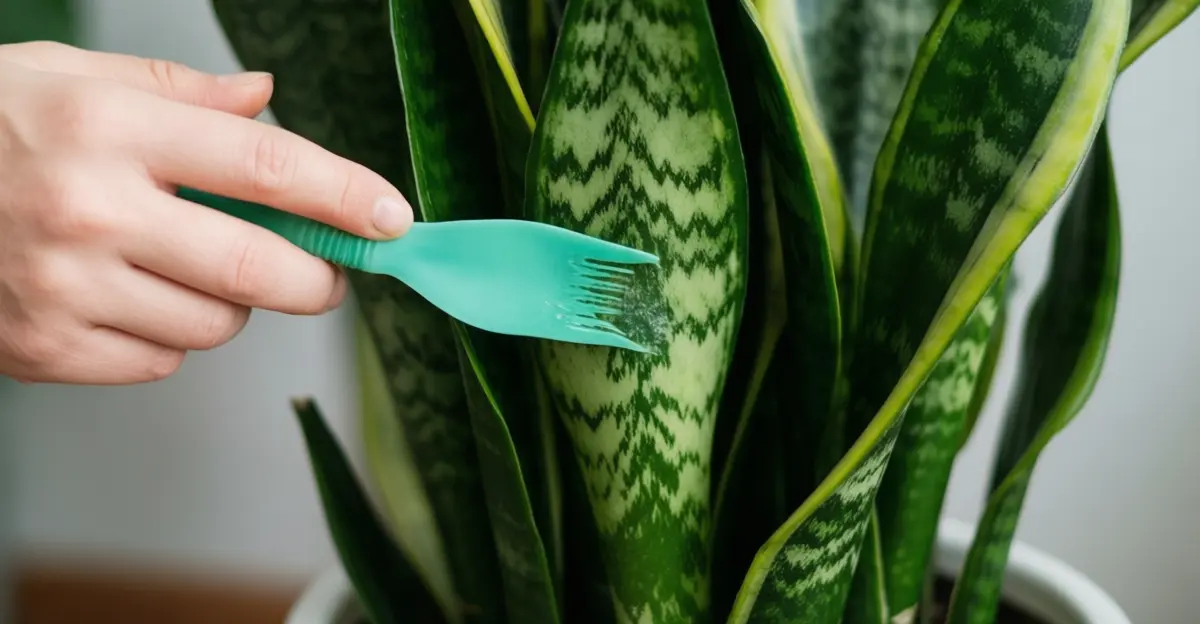
- Dusting: Wipe down leaves with a damp cloth occasionally to remove dust, allowing for better photosynthesis and maintaining its glossy appearance.
- Pruning: Remove any yellowing, damaged, or mushy leaves at the base with clean, sharp shears. This improves air circulation and plant aesthetics.
Conclusion
Mastering snake plant care isn’t about having a green thumb, but rather understanding its simple, yet specific, preferences. By prioritizing excellent drainage, moderate light, and cautious watering, you’re not just growing a plant; you’re cultivating a resilient, air-purifying, and visually stunning piece of living art. So go ahead, embrace the journey, and watch your Mother-in-Law’s Tongue flourish into a majestic statement in your home!
Ready to show off your green accomplishments? Share your snake plant photos on Instagram with #LovePlantingSnakePlant, or dive deeper into sustainable gardening with our guide on Composting for Beginners!
FAQs
Q1: My snake plant leaves are turning yellow and mushy. What’s wrong?
A1: This is almost always a classic sign of overwatering and, consequently, root rot. Check the soil moisture, and if it’s consistently wet, you’ll need to address the issue by allowing the plant to dry out or repotting with fresh, well-draining soil and removing any rotted roots.
Q2: Can my snake plant really purify the air?
A2: Yes! Snake plant are excellent natural air purifiers, according to NASA’s Clean Air Study. They can absorb toxins like formaldehyde, benzene, and trichloroethylene, improving your indoor air quality.
Q3: How often should I fertilize my snake plant?
A3: Snake plant care doesn’t heavily rely on fertilization. A balanced liquid houseplant fertilizer diluted to half strength, once or twice during the spring and summer growing season, is usually sufficient. Avoid fertilizing in fall and winter.
Q4: My snake plant isn’t growing much. What’s the problem?
A4: Lack of growth can be due to several factors:
* Low Light: While tolerant, they grow best in bright, indirect light.
* Root Bound: It might need a slightly larger pot (or division if it’s very crowded).
* Dormancy: It might simply be in its dormant winter phase.
* Underwatering or Overwatering: Both extremes stress the plant.
Q5: Is snake plant toxic to pets?
A5: Yes, snake plant are mildly toxic to pets (and humans) if ingested, causing symptoms like nausea, vomiting, and diarrhea. It’s best to keep them out of reach of curious cats and dogs.