Understanding Annual Plants: The Basics
Gardening enthusiasts often find themselves drawn to annual plants due to their versatility and vibrant displays. Unlike perennials, annual plants complete their life cycle within a year, offering a fresh canvas for gardeners to experiment with new designs and colors each season.
These plants are a staple in many gardens, providing seasonal interest and a wide range of textures and hues. By understanding the basics of annual plants, gardeners can unlock their full potential and create stunning outdoor spaces.
This article will delve into the world of annual plants, exploring their significance in gardening and offering insights into how to effectively incorporate them into your outdoor spaces.
Table of Contents
What Is an Annual Plant?
Annual plants are characterized by their ability to germinate, grow, reproduce, and die all within a single growing season. This unique life cycle is a defining feature that distinguishes annuals from other types of plants. Understanding annual plants is essential for gardeners, farmers, and botanists who cultivate and study these plants.
Definition and Key Characteristics
Annual plants are defined by their short lifespan, typically lasting one growing season or year. They germinate, grow, produce flowers and seeds, and die all within this period. Key characteristics include:
- Rapid growth rate
- Abundant seed production
- Adaptability to various environments
Examples of popular annual plants include marigolds, zinnias, and tomatoes, which are widely cultivated for their vibrant flowers and edible fruits.
The One-Year Life Cycle
The life cycle of an annual plant is completed within a year, involving several stages:
- Germination: Seeds sprout into seedlings.
- Growth: Seedlings develop into mature plants.
- Reproduction: Plants produce flowers and seeds.
- Senescence: Plants decline and die.
This cycle is influenced by factors such as climate, soil quality, and available light, which can affect the duration and success of the plant’s growth.
The Complete Lifecycle of Annual Plants
Understanding the lifecycle of annual plants is crucial for gardeners to optimize their growth. Annual plants complete their lifecycle within a single growing season, and this rapid progression involves several distinct stages.
Germination and Early Growth
The lifecycle begins with germination, where seeds sprout under the right conditions of moisture, temperature, and light. Following germination, seedlings develop their first set of leaves and begin photosynthesis, marking the start of their growth phase.
Early growth is critical as it sets the foundation for the plant’s development. Factors such as soil quality, watering, and sunlight exposure significantly influence this stage.
Flowering and Reproduction
As annual plants mature, they enter the flowering stage, producing blooms that attract pollinators. This stage is crucial for the plant’s reproduction, as it allows for the transfer of pollen and subsequent seed production.
The type and quantity of flowers can vary significantly between species, with some producing showy blooms and others having more subtle flowers.
Seed Production and Natural Death
After successful pollination, annual plants focus their energy on seed production. Once seeds are mature, the plant’s lifecycle begins to conclude, leading to the natural death of the plant.
Many annual plants are adept at dispersing their seeds, ensuring the continuation of their lineage. Gardeners can intervene by collecting seeds for replanting, thus perpetuating their favorite annuals.
| Stage | Description | Gardener’s Action |
| Germination | Seeds sprout under right conditions | Ensure proper soil moisture and temperature |
| Early Growth | Seedlings develop their first leaves | Provide adequate sunlight and nutrients |
| Flowering | Plants produce flowers for reproduction | Support pollinators, deadhead flowers |
| Seed Production | Plants produce seeds for next generation | Collect seeds for replanting |
Annual Plants vs. Other Plant Types
Understanding the differences between annual plants and other plant types is crucial for effective garden planning. Gardeners need to consider the life cycle, growth habits, and maintenance requirements of various plants to create a thriving and balanced garden.
Annuals vs. Perennials
Annual plants complete their life cycle within a year, germinating, flowering, and producing seeds before dying. In contrast, perennials live for multiple years, often regrowing new growth each season. While annuals provide vibrant, seasonal color, perennials offer long-term structure and stability to a garden.
Annuals vs. Biennials
Biennials, on the other hand, take two years to complete their life cycle. They typically grow foliage in the first year and flower in the second year before setting seed and dying. Annuals, however, can be used to fill gaps and add variety to a garden, whereas biennials are often used for specific ornamental purposes.
Benefits and Limitations of Each Type
The choice between annuals, perennials, and biennials depends on the gardener’s goals and preferences. Annuals offer flexibility and instant color, but require replanting each year. Perennials provide long-term value but may need periodic division and maintenance. Biennials can add unique elements to a garden but have a limited flowering period.
| Plant Type | Life Cycle | Benefits | Limitations |
| Annuals | 1 year | Flexible, instant color | Replanting required annually |
| Perennials | Multiple years | Long-term structure, low maintenance | May require division, initial cost |
| Biennials | 2 years | Unique ornamental value | Limited flowering period |
Popular Annual Plants for American Gardens
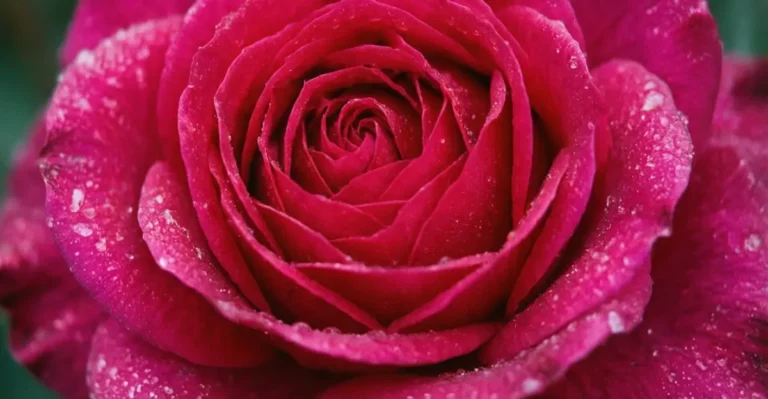
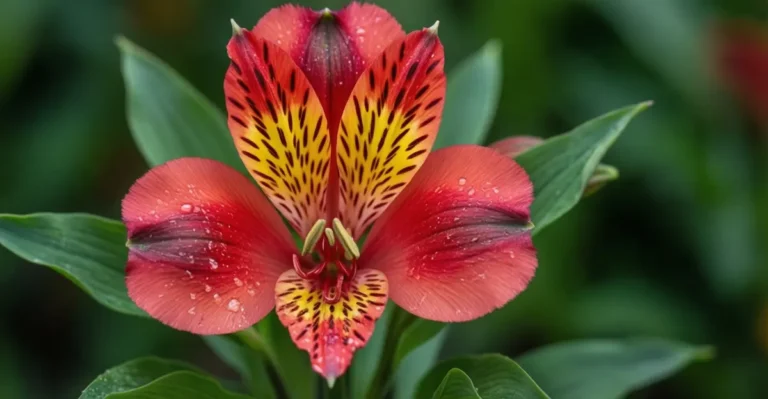
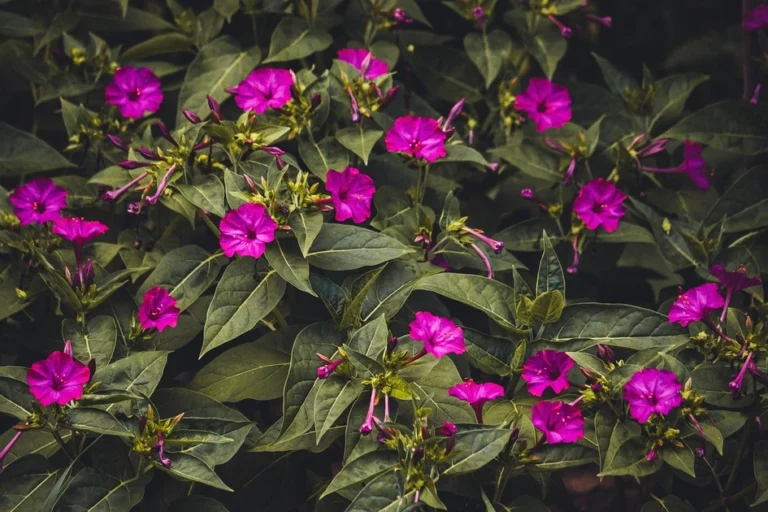
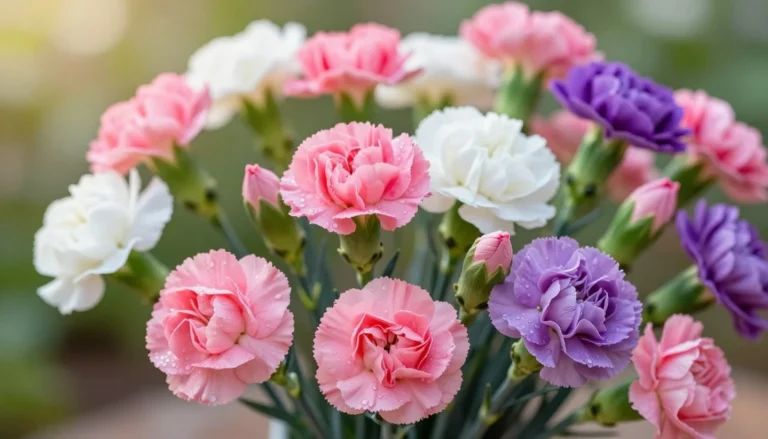
For gardeners across America, annual plants are a staple, offering a fresh and dynamic display each year. These plants are incredibly versatile, ranging from vibrant flowering annuals that add color to gardens Page 8, to edible annuals that provide fresh produce right in your backyard.
Flowering Annuals
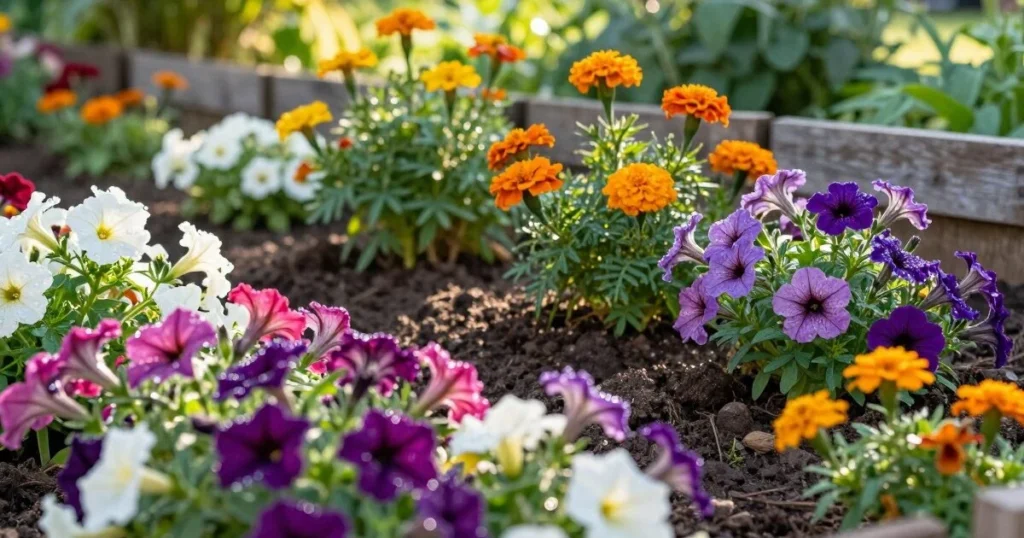
Flowering annuals are a favorite among gardeners for their ability to add instant color and vibrancy to gardens. They come in a variety of colors and bloom times, ensuring there’s something for every garden’s needs.
Summer Bloomers
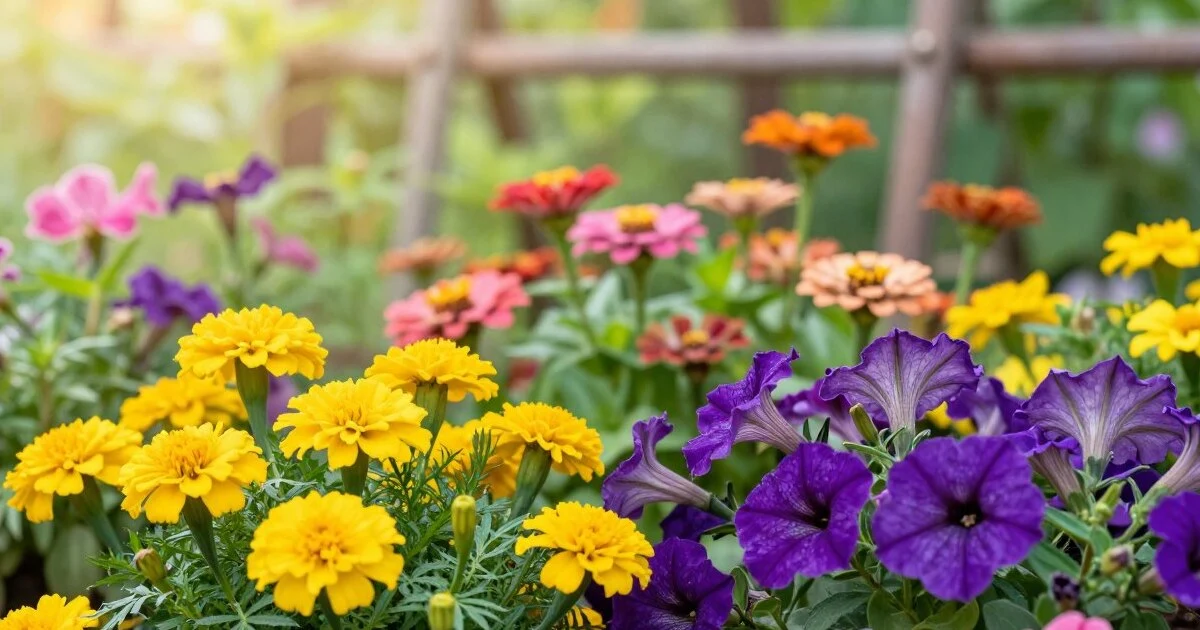
Summer bloomers like marigolds and zinnias are perfect for adding a burst of color during the warmer months. These flowers are not only beautiful but also easy to care for, making them ideal for gardeners of all skill levels.
Fall Bloomers
As summer fades, fall bloomers such as asters and chrysanthemums take center stage, providing a beautiful transition into the cooler seasons. These plants are great for extending the gardening season and adding autumnal hues to your garden.
Vegetable and Herb Annuals
In addition to flowering annuals, many gardeners also grow vegetable and herb annuals. These plants are not only functional, providing fresh ingredients for cooking, but also add to the garden’s biodiversity.
Easy-to-G Page 9 row Edible Annuals
For those new to gardening, easy-to-grow edible annuals like tomatoes and lettuce are a great starting point. These plants are relatively low maintenance and can thrive in a variety of conditions.
Annual Herbs for Cooking
Annual herbs such as basil and cilantro are Page 10 staples in many kitchens. They are easy to grow and can add fresh flavor to a variety of dishes. Growing your own herbs also allows you to have a continuous supply throughout the growing season.
Caring for Annual Plants
Caring for annual plants involves a series of steps that ensure they grow healthily and bloom vibrantly. Proper care not only enhances their beauty but also prolongs their flowering season.
Planting Times and Soil Requirements
Annual plants should be planted at the right time to thrive. In most regions, spring is the ideal season after the last frost. Soil preparation is crucial; annuals prefer well-draining soil rich in organic matter. Adding compost can significantly improve soil quality.
Watering and Fertilizing Needs
Watering needs vary among annuals, but most require consistent moisture, especially during hot weather. Fertilizing with a balanced fertilizer once a month can promote healthy growth and flowering. Over-fertilizing should be avoided as it can lead to weak, leggy growth.
Common Pests and Diseases
Annual plants can be susceptible to pests like aphids and diseases such as powdery mildew. Regular inspection and maintaining good garden hygiene can help prevent these issues. Using organic pest control methods is recommended to avoid harming beneficial insects.
Deadheading and Seasonal Maintenance
Deadheading, or removing spent flowers, encourages annuals to produce more blooms. Seasonal maintenance includes tasks like pruning and cleaning up plant debris. These practices keep the garden looking tidy and promote healthy plant growth.
Self-Seeding Annuals: Nature’s Replanting System
Some annuals have the ability to self-seed, allowing them to return the following year without replanting. Examples include marigolds and cosmos. While self-seeding can be convenient, it’s essential to manage these plants to prevent them from becoming invasive.
| Task | Frequency | Benefit |
| Watering | Daily/Weekly | Maintains soil moisture |
| Fertilizing | Monthly | Promotes healthy growth |
| Deadheading | Weekly | Encourages more blooms |
Annual Plants: A Versatile Gardening Solution
Annual plants offer a wide range of benefits for gardeners, from vibrant colors to bountiful harvests. Understanding their lifecycle and characteristics is key to making the most of these versatile plants.
By incorporating annuals into your gardening routine, you can enjoy a dynamic and ever-changing landscape. Whether you’re looking to add a splash of color or grow your own herbs and vegetables, annual plants provide a flexible and rewarding gardening experience.
As you’ve learned, annual plants come in a variety of forms, from flowering annuals like marigolds and zinnias to vegetable and herb annuals like tomatoes and basil. Experimenting with different types can help you discover new favorites and enhance your gardening skills.
By following the gardening tips outlined in this article, you can create a thriving and beautiful garden that showcases the best of what annual plants have to offer. So why not give annuals a try and see the difference they can make in your outdoor space?
FAQ
What is the main difference between annual and perennial plants?
Annual plants complete their life cycle within a year, whereas perennials come back year after year. Annuals germinate, grow, produce seeds, and die all within a single growing season.
How often do I need to replant annuals?
PageSpeed InsightsAnnuals typically need to be replanted every year, as they complete their life cycle within a single growing season. However, some annuals can self-seed, reducing the need for replanting.
What are some popular annual plants for beginners?
Some popular annual plants for beginners include marig PageSpeed Insights old, zinnia, and sunflower. These plants are easy to grow and require minimal maintenance.
Can I grow annuals in containers?
Yes, annuals can thrive in containers. Make sure to choose a container with good drainage and use a well-draining PageSpeed Insights potting mix.
How do I care for annual plants during the hot summer months?
To care for annual plants during the hot summer months, make sure to water them regularly, fertilize them as needed, and provide adequate sunlight. You can also use techniques like deadheading to promote healthy growth.
What are some common pests and diseases that affect annual plants?
Some common pests and diseases that affect annual plants include aphids, whiteflies, powdery mildew, and root rot. Regularly inspect your plants and take action promptly to prevent the spread of disease.
Can I save seeds from my annual plants for next year’s garden?
Yes, you can save seeds from your annual plants for next year’s PageSpeed Insights garden Page Page. Allow the seeds to dry completely, then store them in a cool, dry place until the next growing season.