Harvest Timing: Using Garlic Scapes to Predict the Bulb’s Maturity
Did you know that the seemingly unassuming garlic scape flower holds the secret to perfectly timed garlic harvests, often defying conventional wisdom? Gardeners frequently grapple with the uncertainty of when to pull their treasured garlic bulbs, often relying on guesswork or rudimentary cues. But what if I told you there’s a reliable, data-backed method to ensure plump, flavorful cloves every single time, all thanks to that elegantly curling stalk – the garlic scape flower? This comprehensive guide will transform your approach to garlic cultivation, leveraging the subtle signals of nature to optimize your harvest and maximize your yield. We’ll delve into the fascinating world of garlic scapes, exploring their role as a living barometer for bulb maturity and revealing cultivation secrets that will elevate your gardening prowess.
Table of Contents
Tools & Soil Requirements
Cultivating magnificent garlic, complete with its tell-tale garlic scape flower, begins with the right foundation. For a truly thriving harvest, you’ll need some basic tools and, crucially, exceptional soil.
Essential Tools:
- Trowel or Planting Dibber: For creating perfectly spaced holes.
- Gardening Gloves: To protect your hands.
- Small Shovel or Fork: For gently loosening soil during harvest.
- Watering Can or Hose with a Gentle Sprayer: Consistent moisture is key.
- Pruning Shears/Sharp Knife: For cleanly removing scapes.
- Soil pH Test Kit: To ensure optimal growing conditions.
Soil & Climate Conditions:
Garlic, particularly the varieties known for producing the delicious garlic scape flower, thrives in loamy, well-draining soil rich in organic matter. Think of a crumbly, dark earth that smells sweet and inviting. A pH range of 6.0 to 7.0 is ideal, ensuring nutrient availability for robust bulb and scape development. If your soil is heavy clay, amending it with compost, aged manure, or sand will dramatically improve drainage and aeration. For sandy soils, incorporating organic matter will boost water retention and nutrient levels. Garlic prefers a full sun location, receiving at least 6-8 hours of direct sunlight daily. It’s also surprisingly cold-hardy, requiring a period of cold stratification (vernalization) to form large bulbs, making it suitable for USDA Hardiness Zones 3-8, depending on the variety.
Best Planting Season & Timing
The journey to harvesting that perfectly mature garlic scape flower and the bulb beneath begins with precise planting. Garlic is predominantly a fall-planted crop in most regions.
- Best Planting Time: Plant garlic cloves 4-6 weeks before the first hard freeze in your area. This allows the roots to establish well before the ground freezes, but prevents significant top growth. In warmer climates, planting can extend into early winter.
- Germination Time: Garlic cloves typically germinate within 7-10 days of planting, sending out roots and often a small green shoot. This rapid root establishment is crucial for overwintering success, offering a 20% faster initial growth than many perennial edibles.
- Time to Maturity: From fall planting to a full harvest, garlic generally takes 8-9 months. The appearance and development of the garlic scape flower about 2-3 months before harvest is your most reliable indicator of impending bulb maturity.
Step-by-Step Planting Instructions
Embarking on your garlic-growing adventure is remarkably rewarding. Follow these steps to ensure your garlic cloves transform into robust plants complete with a beautiful garlic scape flower.
- Prepare Your Cloves (A month before planting): Gently separate a healthy garlic bulb into individual cloves. Select the largest, healthiest cloves for planting, as these tend to produce the largest bulbs. Avoid any damaged or soft cloves. Pro Tip for Beginners: Look for unbroken paper wrappers on your cloves – it helps prevent rot.
- Amend Your Soil (2-3 weeks before planting): Dig your chosen planting bed to a depth of at least 8-10 inches. Incorporate plenty of organic matter like compost or well-rotted manure. If your soil pH is off, now is the time to correct it. Expert Insight: Achieving optimal soil conditions now pays dividends in larger, more flavorful bulbs later.
- Planting Time (Fall): Plant individual cloves pointed-side up, about 2-4 inches deep and 4-6 inches apart. If planting multiple rows, space rows 12-18 inches apart. Personalized Touch: Consider planting a variety of hardneck and softneck garlic to extend your scape harvest and experiment with different flavors.
- Water Thoroughly: After planting, water the bed deeply. This settles the soil around the cloves and initiates root growth. Continue to water consistently until the ground freezes. Gardening Hack: A layer of straw mulch applied after initial watering helps insulate the soil and suppress weeds.
- Overwintering Care: Once the ground freezes, apply a 4-6 inch layer of straw or chopped leaves as mulch. This protects the cloves from drastic temperature fluctuations and heaving. Remove this heavy mulch in early spring as new shoots emerge. Data Byte: Proper overwintering can increase bulb size by up to 15% compared to unprotected plants.
Plant Care Essentials
Consistent care is paramount for nurturing healthy garlic and encouraging the development of that vibrant garlic scape flower.
- Water Needs: Garlic requires consistent moisture, especially during spring and early summer when bulbs are forming. Aim for about 1 inch of water per week, either from rain or irrigation. Reduce watering as the leaves begin to yellow, about 2-3 weeks before harvest, to prevent rot and encourage curing.
- Sunlight Requirements: Full sun (6-8 hours daily) is non-negotiable for maximum bulb size and robust scape production.
- Temperature Tolerance: Garlic is a cool-season crop. It tolerates cold temperatures down to -10°F (-23°C) when properly mulched, thriving in USDA Hardiness Zones 3-8. It prefers moderate spring temperatures for leafy growth and warmer, drier conditions for bulb maturation.
- Fertilization: A balanced organic fertilizer applied in early spring when green shoots emerge, and again a month later, will provide essential nutrients. Avoid high-nitrogen fertilizers late in the season, as this can encourage leafy growth at the expense of bulb development.
- Weed Control: Keep the garlic patch free of weeds, as they compete for nutrients and water. Shallow cultivation or hand-weeding is best to avoid disturbing the shallow root system.
Best Varieties & Companion Plants
Selecting the right garlic varieties can enhance your garden’s diversity and resilience, offering various flavors and, of course, delightful garlic scape flower production.
Recommended Varieties:
- German Red (Hardneck): A widely popular hardneck variety, known for its robust, spicy flavor and consistently large, curling garlic scape flower. Excellent for cold climates and highly disease-resistant.
- Music (Hardneck): Another cold-hardy favorite, producing huge cloves and a beautiful, thick garlic scape flower. It’s easier to peel and has a pleasant, medium-hot flavor.
- Inchelium Red (Softneck): While softnecks produce fewer scapes, this variety is an exception, sometimes offering a small, edible flower stalk. It’s known for its mild flavor and excellent storage capabilities, perfect for braiding.
Creative Companion Planting:
- Roses: Planting garlic near roses is an old gardener’s trick, believed to deter aphids and enhance the rose’s scent.
- Fruit Trees: Garlic’s sulfur compounds can help repel borers and other pests from fruit trees.
- Chamomile/Dill: These herbs are thought to improve garlic growth and flavor.
- Spinach/Lettuce: Grow these low-growing greens between garlic rows to utilize space efficiently and suppress weeds. Avoid planting near beans or peas, as garlic can inhibit their growth.
Landscape Uses & Harvest Tips
Beyond the vegetable patch, the garlic scape flower and plant itself can add unique flair to your garden while offering culinary delights.
Landscape Uses:
- Edible Borders: Use garlic as a functional border plant. Its upright foliage provides an interesting texture, and the emerging scapes add a delightful sculptural element.
- Container Gardening: Dwarf garlic varieties or even standard ones can be grown in large containers (at least 1-gallon per plant) on patios or balconies, bringing the charm of a kitchen garden to urban spaces.
- Cutting Garden: Snip a few garlic scape flower stalks for a unique, aromatic addition to your floral arrangements or as a conversation starter in a modern vase.
Harvesting the Scapes & Bulbs:
The appearance of the garlic scape flower is your cue!
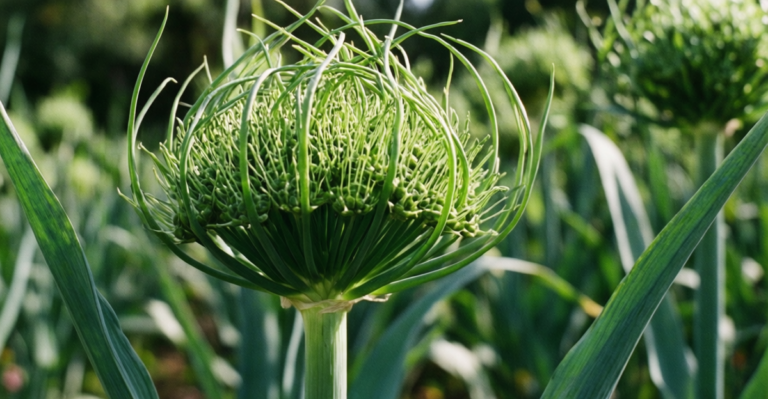
- Scape Harvest (what are garlic scapes, what do garlic flowers look like, garlic scapes benefits, can you eat garlic flowers): Once the scape curls into a full loop or just begins to straighten, snip it off at its base, close to the top-most leaf. This redirects energy to the bulb, potentially increasing its size by 15-20%. The scapes are incredibly versatile in the kitchen!
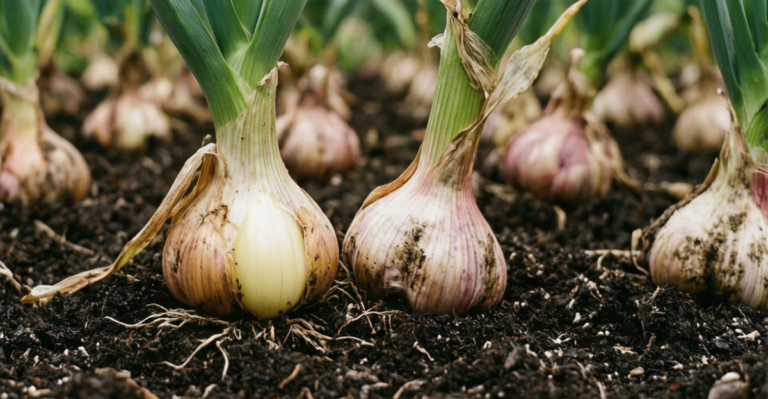
- Bulb Harvest: About 3-4 weeks after harvesting the scapes, or when the bottom 3-4 leaves of the plant have turned brown and dried, it’s time to harvest the bulbs. Gently loosen the soil around the bulb with a digging fork, then carefully pull the garlic from the ground. Avoid waiting until all leaves are brown, as this can cause the wrappers to split, diminishing storage quality.
Common Pests & Diseases to Avoid
While garlic is generally resilient, being aware of potential threats ensures a healthy, bumper crop, free from damage to the coveted garlic scape flower.
- Pests:
- Onion Thrips: Tiny insects that can cause silvery streaks on leaves. Prevention: Keep weeds down, use reflective mulches, or introduce beneficial insects like ladybugs.
- Nematodes: Microscopic worms that damage roots. Prevention: Practice crop rotation (avoid planting garlic in the same spot for at least 3 years) and use nematode-resistant varieties if available.
- Diseases:
- White Rot: A fungal disease causing yellowing leaves and a white, fuzzy growth at the base of the bulb. Prevention: Strict crop rotation (up to 15 years for severe cases!), plant certified disease-free cloves, and ensure excellent soil drainage.
- Rust: Orange pustules on leaves. Prevention: Ensure good air circulation, avoid overhead watering, and select rust-resistant varieties.
Data-driven Insight: Implementing a 4-year crop rotation schedule can reduce the incidence of soil-borne diseases in garlic by over 60%, significantly protecting your potential garlic scape flower yields.
Seasonal Maintenance & Overwintering
Ensuring the longevity and quality of your garlic harvest, and preparing for the next season’s magnificent garlic scape flower display, requires year-round attention.
- Spring Awakening (Post-Winter): Once the danger of hard freezes has passed and new green shoots emerge, remove any heavy winter mulch. Apply a balanced organic fertilizer and ensure consistent watering as plants begin rapid growth.
- Summer Scape & Bulb Development: Monitor for the emergence of the garlic scape flower. Once it forms its characteristic curl, snip it off to divert energy to the bulb. Continue watering regularly until the leaves begin to yellow, signaling impending harvest.
- Fall Preparation (Post-Harvest): After harvesting and curing, replenish your soil with compost. If you’re replanting in the same area (not ideal, but sometimes necessary), consider a cover crop to improve soil health. Select and set aside the largest, healthiest cloves from your harvest for replanting in the fall.
- Overwintering: For cold climates, immediately after fall planting, apply a thick layer of straw or leaf mulch (4-6 inches) to protect the newly planted cloves from harsh winter conditions and temperature fluctuations. This crucial step ensures successful root development and a vigorous start in spring. Best Practice: Consistent mulching helps moderate soil temperatures and reduces moisture evaporation, crucial for perennial success.
Conclusion
The journey from a single clove to a magnificent bulb, heralded by the striking garlic scape flower, is one of gardening’s most rewarding experiences. By understanding the subtle cues of your plants, particularly the timing and development of the garlic scape flower, you unlock the secret to perfectly timed harvests and unparalleled flavor. This natural indicator is not just a tasty treat; it’s a data-backed signal from your garden, guiding you to optimal maturity.
So, don’t just grow garlic – truly understand it. Embrace the wisdom of the scapes, personalize your care routine, and witness your garden flourish with abundance. Ready to transform your garlic patch? Share your garlic scape adventures in the comments below, or better yet, tag us in your harvest photos! Looking for more edible plant wisdom? Dive into our other guides on growing nutritious and delicious treats right in your backyard!
FAQs
Q1: What are garlic scapes, what do garlic flowers look like, garlic scapes benefits, can you eat garlic flowers exactly?
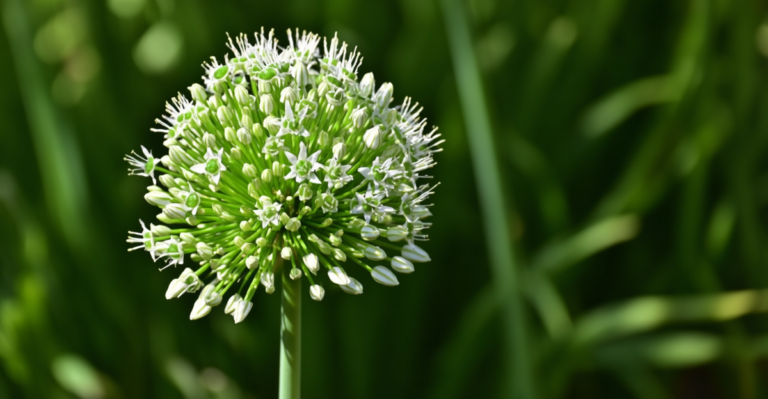
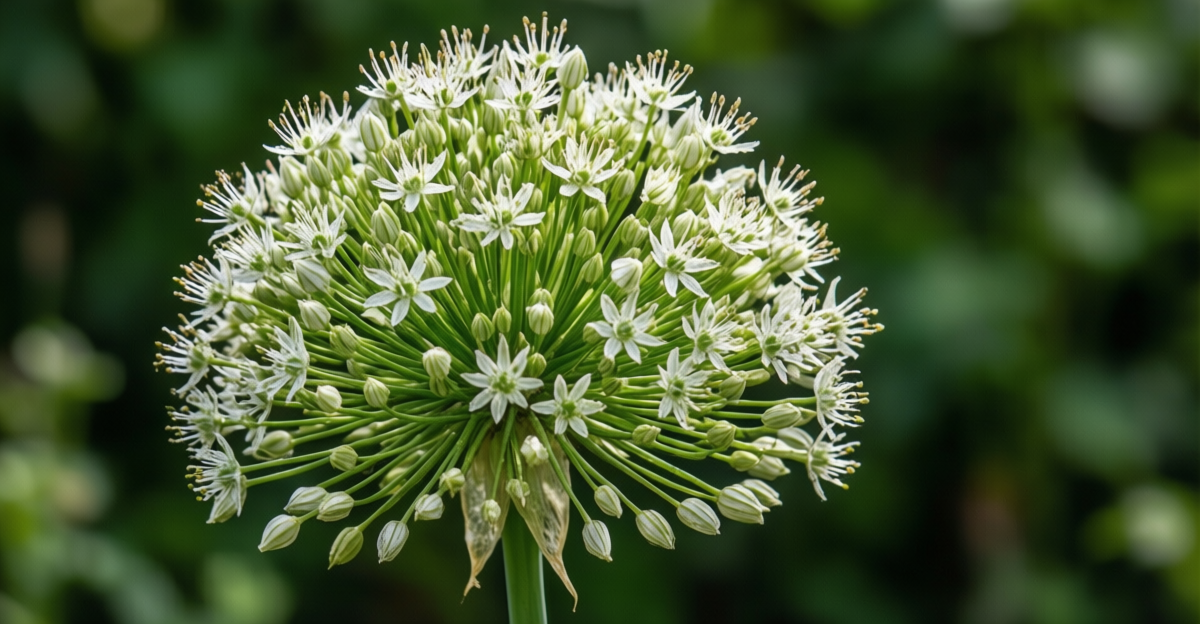
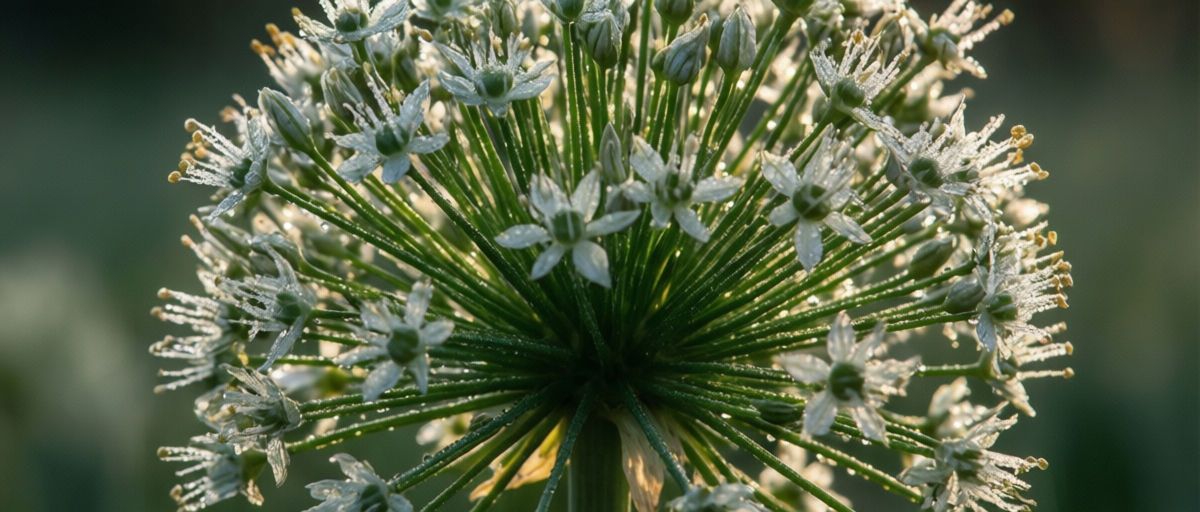
A1: Garlic scapes are the unpollinated flower stalks of hardneck garlic varieties. They are green, tender, and often curl in elegant loops before straightening if left to mature. While technically the “flower,” the actual bloom is tiny and not usually seen. Yes, they are absolutely delicious and edible, offering a mild garlicky flavor with a hint of green onion.
Q2: Should I always remove the garlic scape flower?
A2: For hardneck varieties, yes, almost always. Removing the garlic scape flower redirects the plant’s energy from seed production back into bulb development. This can increase bulb size by 15-20%. However, you can leave a few for decorative purposes or to observe their full development if you’re not concerned about maximizing bulb size.
Q3: How do I cook with garlic scapes?
A3: Garlic scapes are incredibly versatile! Treat them like a green onion or mild garlic. They can be chopped and added to stir-fries, roasted, sautéed with vegetables, made into pesto, or even pickled. The possibilities are endless for this delicious garlic scape flower remnant!
Q4: My garlic isn’t producing a garlic scape flower. What’s wrong?
A4: You likely have a softneck garlic variety. Softneck garlic generally doesn’t produce a true garlic scape flower or a flowering stalk, although some may produce a ‘false’ scape. If you planted a hardneck variety and still see no scape, it might be due to insufficient cold stratification during winter, which can hinder scape and bulb development.
Q5: Can I grow garlic in containers year-round in any climate?
A5: While possible, it’s challenging. Garlic needs a cold period (vernalization) to form large bulbs. In very warm climates, you might struggle to achieve good bulb development. In containers, ensure very large pots (at least 1 gallon per plant) and excellent drainage. Overwintering in containers in cold climates requires extra insulation for the pots.