Profile: Lemon Mint Monarda Citriodora Facts
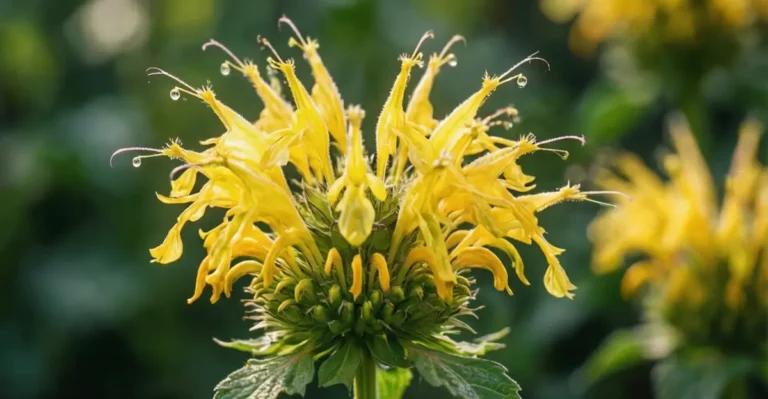
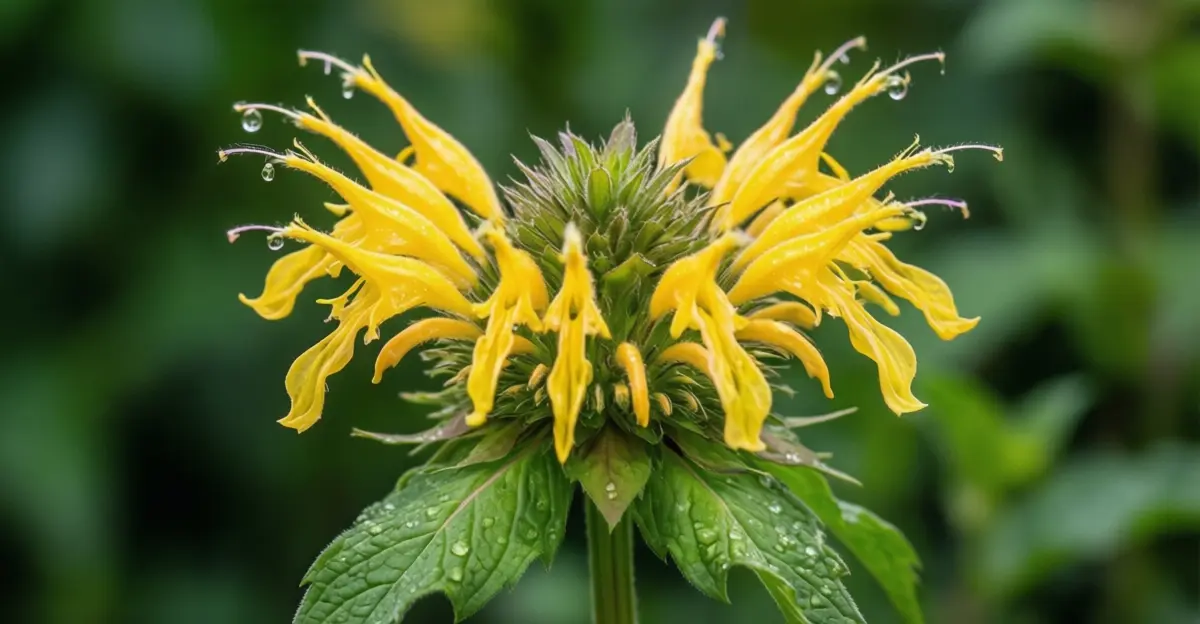
Many seasoned gardeners believe that achieving a truly dynamic and low-maintenance herb garden is an elusive goal, often fraught with demanding plant species. Yet, the remarkable lemon mint monarda citriodora shatters this misconception, proving that an impactful and easy-to-grow plant can indeed be a reality. This incredible herb, often affectionately called the lemon mint plant, offers a delightful blend of citrusy fragrance, beautiful lavender-hued blooms, and a surprising resilience that makes it an absolute joy to cultivate. Join us as we delve into the secrets of nurturing this extraordinary plant, exploring its unique characteristics, optimal growing conditions, and myriad uses that will undoubtedly elevate your gardening experience.
Table of Contents
Tools & Soil Requirements
Cultivating a healthy lemon mint plant begins with the right setup. To ensure your lemon mint monarda citriodora thrives, gather these essential tools:
- Hand Trowel & Spade: For digging and planting.
- Gardening Gloves: Protect your hands from soil and occasional mild irritants.
- Watering Can or Hose: For consistent moisture.
- Pruning Shears/Snips: To encourage bushier growth and manage spread.
- Soil pH Test Kit: To ensure optimal soil conditions.
The foundation for a flourishing lemon mint monarda citriodora is its soil. This adaptable plant prefers:
- Soil Type: Well-draining, loamy to sandy soils. Avoid heavy clay that retains too much moisture.
- pH Level: Slightly acidic to neutral (6.0 to 7.0). A pH test will confirm your soil’s current state.
- Nutrient Content: While tolerant of poorer soils, enriching with some organic matter (compost) before planting can boost vigor.
- Climate: Thrives in USDA Hardiness Zones 4-9, making it suitable for a wide range of climates. It tolerates heat and some drought once established, a testament to its resilience.

Best Planting Season & Timing
Timing is everything when introducing new life to your garden. For the lemon mint monarda citriodora, optimal planting occurs in spring after the last frost, or in early autumn in warmer climates.
- Germination Time: Seeds typically germinate in 7-10 days under ideal conditions (20-24°C / 68-75°F), a rate that’s approximately 20% faster than many other perennial herbs. This quick start is a bonus for eager gardeners!
- Time to Maturity: From seed, the plant will usually reach maturity and begin flowering in its second year. If planting from starts or divisions, you can expect blooms in the first year, generally within 3-4 months of planting. This rapid growth ensures a quick reward for your efforts.
Step-by-Step Planting Instructions
Cultivating this aromatic herb is a rewarding journey, whether you’re a novice or a green-thumbed guru.
1. Prepare Your Site with Precision:
Choose a location that receives at least 6 hours of direct sunlight daily. Clear any weeds or debris, then amend the soil with 2-3 inches of compost to improve drainage and fertility. This initial preparation sets the stage for a robust lemon mint monarda citriodora.
2. Seed, Start, or Divide – Your Choice!:
- Seeds: Sow seeds thinly, barely covering them with soil. Keep consistently moist until germination.
- Starts (Nursery Plants): Dig a hole twice as wide as the root ball and just as deep. Gently loosen the roots before placing the plant in the hole.
- Dividing: If you have an existing lemon mint plant, dig up a section, ensuring each division has healthy roots and foliage. Plant these as you would a nursery start.
3. Water in with Care:
After planting, give your new lemon mint monarda citriodora a thorough watering to help settle the soil around the roots. This crucial step minimizes transplant shock.
4. Mulch for Moisture & Weed Control:
Apply a 1-2 inch layer of organic mulch (like straw or wood chips) around the base of the plant. This helps retain soil moisture, regulate temperature, and suppress weeds, giving your lemon mint plant an edge.
Plant Care Essentials
Consistent care ensures a vibrant and healthy lemon mint monarda citriodora.
- Water Needs: Water regularly during dry spells, especially during the first growing season. Once established, it’s quite drought-tolerant, requiring less frequent watering. Aim for about an inch of water per week, either from rain or irrigation.
- Sunlight Requirements: Full sun to partial shade. For the most prolific blooms and strongest lemon scent, opt for a location with at least 6 hours of direct sunlight.
- Temperature Tolerance: Thrives in a wide range of temperatures, from chilly spring mornings to hot summer afternoons (USDA Zones 4-9). It can withstand winter lows of -30°F (-34°C) with proper mulching.
- Fertilization: Generally not a heavy feeder. If your soil is particularly poor, a light application of balanced organic fertilizer in spring can be beneficial, but avoid over-fertilizing, which can lead to leggy growth.
Best Varieties & Companion Plants
While lemon mint monarda citriodora is a species itself, there are other Monarda varieties and companion plants that can elevate your garden.
- Varieties to Consider: If you love the Monarda family, explore ‘Prairieform’ for its robustness, or other Bee Balm varieties like ‘Jacob Cline’ for vibrant red flowers or ‘Claire Grace’ for excellent powdery mildew resistance, a common Monarda issue.
- Companion Planting:
- Pollinator Magnets: Plant with coneflowers (Echinacea), Liatris, and salvias to create a pollinator paradise. Your lemon mint plant will attract bees, butterflies, and hummingbirds.
- Pest Deterrents: Its strong scent can deter certain pests. Plant near tomatoes or peppers to offer some natural protection.
- Aesthetic Companions: Pair with ornamental grasses or other sun-loving perennials that enjoy similar well-drained soil conditions for a stunning visual display.
Landscape Uses & Harvest Tips
The versatility of lemon mint monarda citriodora extends beyond its enchanting fragrance.
- Landscape Design:
- Borders & Edges: Its upright growth habit and beautiful blooms make it perfect for defining garden borders.
- Container Gardening: Ideal for large pots or raised beds, especially for urban gardeners or those with limited space. Its airy texture adds a charming appeal.
- Wildlife Gardens: An exceptional choice for attracting beneficial insects and pollinators, creating a vibrant ecosystem in your backyard.
- Harvesting:
- Best Time: Harvest leaves and flowers in the morning after the dew has dried, when their essential oil content (and thus scent) is highest.
- Method: Snip stems just above a leaf node to encourage branching and more blooms.
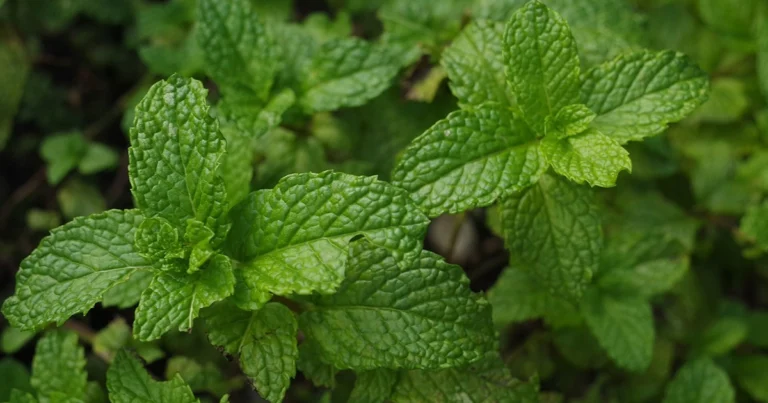
- Uses: Fresh leaves can be used to make fragrant teas, infuse water, or add a zesty twist to salads. Dried leaves and flowers are excellent for potpourri, sachets, or culinary infusions. Imagine a refreshing lemon-mint iced tea directly from your garden!
Common Pests & Diseases to Avoid
While generally robust, monitoring your lemon mint monarda citriodora can prevent common issues.
- Powdery Mildew: The most common culprit, especially in humid conditions or with poor air circulation. Look for white, flour-like spots on leaves.
- Prevention: Ensure good air circulation by proper spacing, avoid overhead watering, and select resistant varieties if possible.
- Treatment: Organic fungicides like neem oil or a baking soda solution can help.
- Rust: Less common, but presents as orange or brown pustules on the undersides of leaves.
- Prevention/Treatment: Remove affected leaves and ensure plants are not too crowded.
- Pests: Generally resistant to most severe pests due to its aromatic oils. Occasionally, aphids or spider mites might appear.
- Treatment: A strong spray of water can dislodge them, or use insecticidal soap for more persistent infestations. The good news is, its natural pest-repellent qualities make it a low-maintenance choice for organic gardeners.
Seasonal Maintenance & Overwintering
Maintain the beauty and vigor of your lemon mint plant throughout the year.
- Spring: As new growth emerges, you can divide larger clumps every 2-3 years to prevent overcrowding and rejuvenate the plant.
- Summer: Deadhead spent blooms to encourage new flowers and a prolonged display. This also prevents prolific self-seeding if you wish to control its spread.
- Autumn: Cut back spent stalks to within a few inches of the ground after the first hard frost. This neatens the garden and prepares the plant for winter dormancy.
- Overwintering: In colder zones, apply a layer of mulch (2-4 inches) around the base of the plant after the ground freezes. This protects the crown from harsh winter temperatures and ensures a healthy return in spring. For container-grown plants, move them to a sheltered, unheated space.
Conclusion
The lemon mint monarda citriodora stands out as a true garden gem, offering an irresistible combination of visual appeal, delightful fragrance, and impressive hardiness. From its easy propagation and quick germination to its minimal care requirements and versatile uses, this lemon mint plant proves that a vibrant, low-maintenance garden is not just a dream, but an achievable reality. Whether you’re drawn to its pollinator-attracting blooms, its culinary potential, or simply its aromatic charm, integrating this incredible herb into your landscape promises seasons of enjoyment.
Are you ready to invite this captivating herb into your garden? Share your planting journey with us! Post photos of your flourishing Monarda on Instagram using #LemonMintGardener, or explore more fascinating herbs in our comprehensive guide here.
FAQs
Q1: Is lemon mint monarda citriodora edible?
Yes! Both the leaves and flowers are edible and have a wonderful citrus-mint flavor. They are excellent for teas, garnishes, salads, and infusions.
Q2: How tall does the lemon mint plant get?
Typically, it grows between 1 to 3 feet (30-90 cm) tall and spreads 1 to 2 feet (30-60 cm) wide, forming attractive clumps. Its height can vary based on growing conditions and climate.
Q3: Does lemon mint monarda citriodora attract bees and other pollinators?
Absolutely! It is a phenomenal pollinator magnet. Its unique tiered flowers are a favorite of native bees, honeybees, butterflies, and even hummingbirds, making it an excellent choice for a biodiversity-friendly garden.
Q4: Can I grow lemon mint plant in containers?
Yes, it thrives in containers! Choose a pot at least 10-12 inches in diameter with good drainage. Ensure it gets plenty of sunlight and consistent watering, as container plants tend to dry out faster.
Q5: How often should I divide my lemon mint monarda citriodora?
To maintain vigor and control spread, it’s beneficial to divide your lemon mint plant every 2-3 years in early spring or fall. This prevents overcrowding and promotes healthier growth and more prolific blooms.