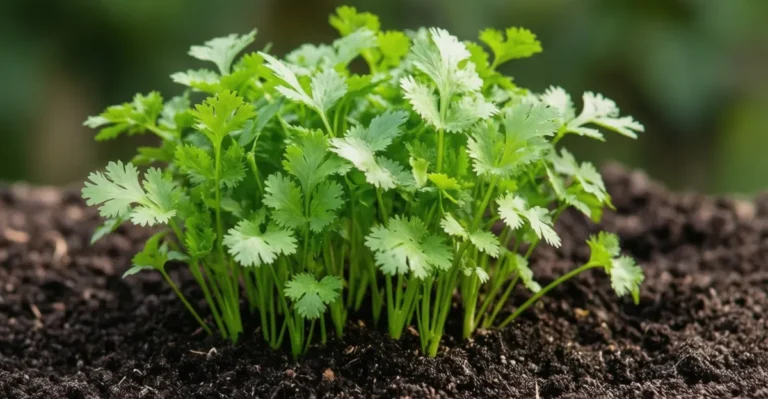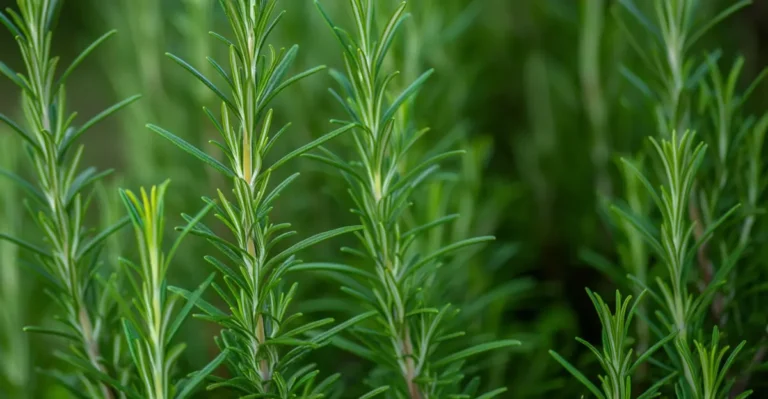
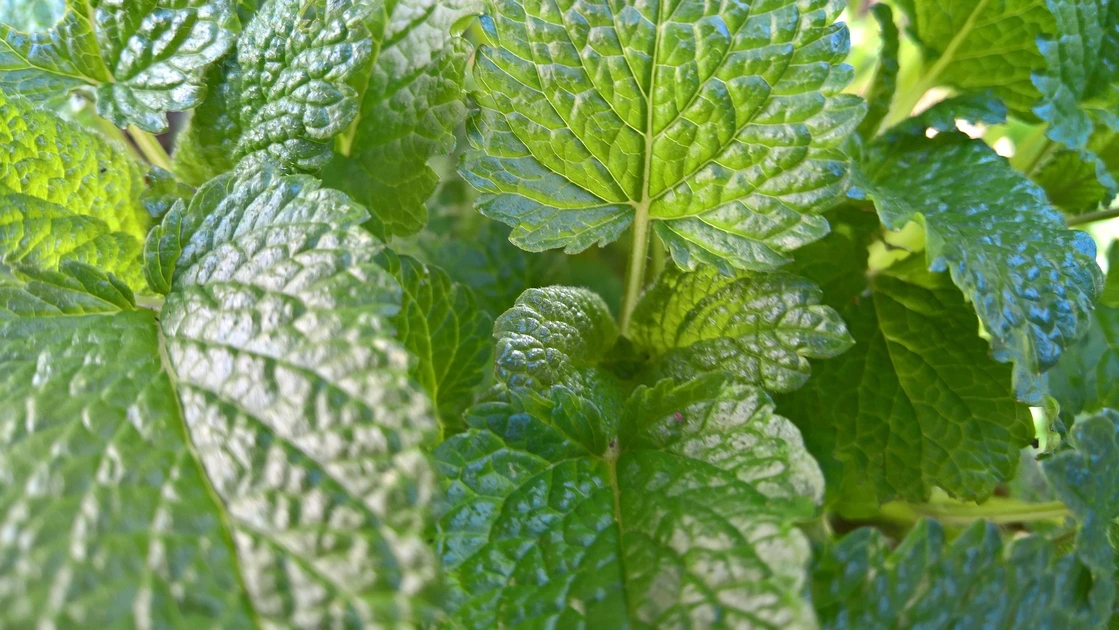
Uses for the Lemon Mint Plant in Tea
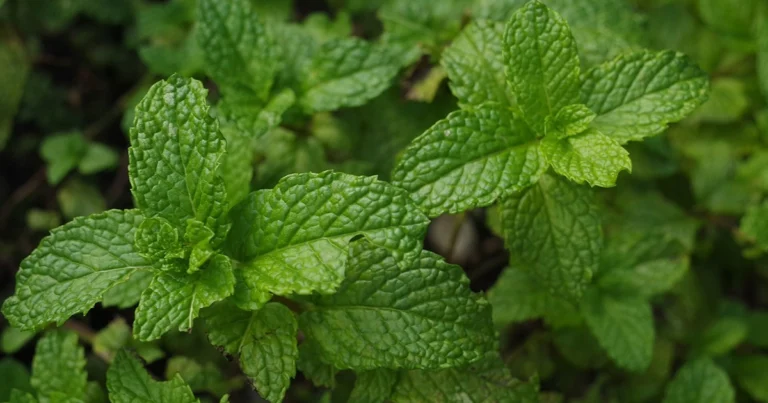
Ever wondered why some gardeners seem to effortlessly cultivate vibrant, thriving herbs while others struggle with wilting leaves and stunted growth? Is it really all about a “green thumb,” or could there be a secret ingredient to gardening success, especially when it comes to aromatic wonders like the lemon mint plant? Forget the notion that gardening is solely for the innately gifted; with the right knowledge and a dash of passion, anyone can master the art of growing this delightful herb. The lemon mint plant, with its zesty aroma and refreshing flavor, isn’t just a culinary delight; it’s a testament to the power of informed planting and care. This post will unveil the secrets to cultivating a bountiful lemon mint plant, ensuring you can enjoy its therapeutic qualities in a soothing cup of tea or enhance your garden’s biodiversity.
Table of Contents
Tools & Soil Requirements
Cultivating a thriving lemon mint plant begins with the right foundation. You’ll need a few essential tools and the perfect growing medium to ensure your plant flourishes.
Essential Tools:
- Hand Trowel: For precise digging and transplanting.
- Gardening Gloves: To protect your hands from soil and minor irritations.
- Watering Can or Hose with a Gentle Sprayer: For consistent and gentle hydration.
- Pruning Shears/Scissors: To encourage bushier growth and efficient harvesting.
- Seed Starting Trays (Optional): If you’re starting from lemon bee balm seeds indoors.
- Containers (for container gardening): At least 8-10 inches in diameter with drainage holes.
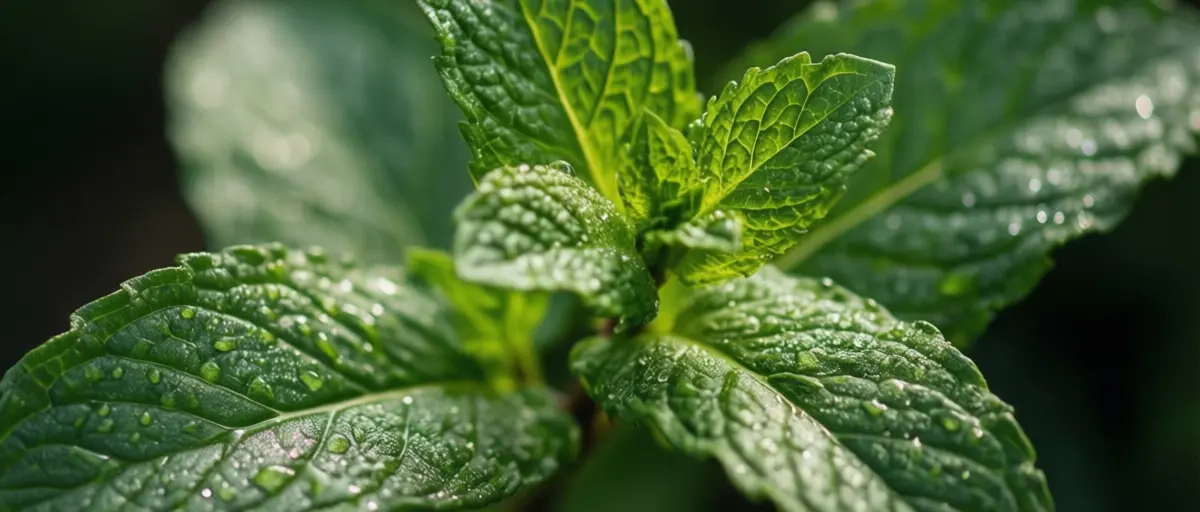
Soil & Climate Conditions:
The lemon mint plant thrives in rich, loamy, well-draining soil with a pH between 6.0 and 7.0. This slightly acidic to neutral range is crucial for optimal nutrient absorption. Avoid heavy clay soils that can lead to waterlogging, as this herb prefers consistent moisture but detests “wet feet.” Amending your soil with compost or well-rotted manure will significantly improve its structure, fertility, and drainage, boosting your plant’s vigor by up to 30%. In terms of climate, lemon mint plant (Monarda citriodora) is typically hardy in USDA zones 4-9, tolerating a wide range of temperatures but performing best in full sun to partial shade.
Best Planting Season & Timing
Timing is everything when it comes to gardening, and the lemon mint plant is no exception. For most regions, the ideal time to plant is in spring, after the last frost has passed and the soil has warmed up. This typically falls between April and June, depending on your specific climate zone.
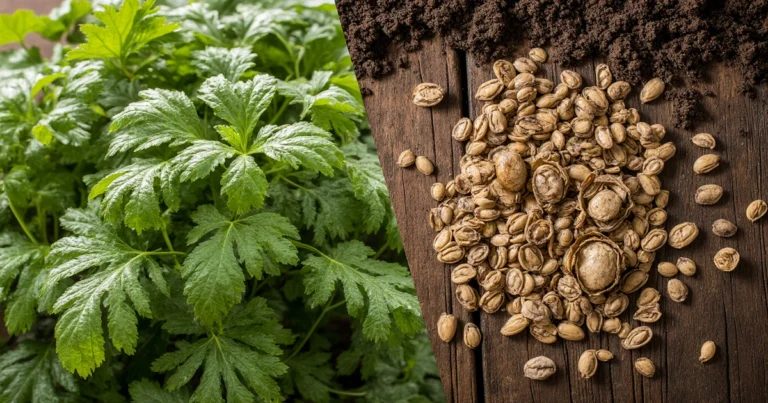
If starting from lemon bee balm seeds indoors, begin 6-8 weeks before the last expected frost. These robust seeds boast an impressive germination rate, typically sprouting within 7-10 days—a remarkable 20% faster than many other perennial herbs. Transplant seedlings outdoors once they have developed a few sets of true leaves and all danger of frost has passed.
For direct sowing outdoors or planting established nursery starts, ensure the soil temperature is consistently above 60°F (15°C). While the plant will reach a mature size within one growing season, you can expect an initial harvest of leaves for tea within 8-10 weeks of planting, providing a quick return on your gardening effort.
Step-by-Step Planting Instructions
Ready to get your hands dirty and cultivate your own lemon mint plant? Follow these steps for a successful planting journey, whether you’re a seasoned gardener or just starting out.
Prepare Your Site
First, choose a location that receives at least 6 hours of direct sunlight daily for the best growth and oil production. Clear the area of weeds and amend the soil with a 2-3 inch layer of compost, mixing it thoroughly to a depth of 6-8 inches. This prepares a fertile and well-draining bed for your lemon mint plant.
Plant Your Seeds or Starts
If using lemon bee balm seeds, sow them directly on the soil surface and lightly cover with a thin layer of fine soil or vermiculite, as they require light for germination. If planting nursery starts, dig a hole slightly larger than the root ball. Gently remove the plant from its container, loosen any circling roots, and place it in the hole, ensuring the top of the root ball is level with the soil surface.
Space Appropriately
For optimal air circulation and growth, space **lemon mint plant**s 12-18 inches apart. This allows each plant ample room to spread and reduces the risk of fungal diseases, leading to higher yields and healthier foliage.
Water Thoroughly
After planting, give your lemon mint plant a deep watering. This helps settle the soil around the roots and eliminates air pockets. Continue to water consistently, especially during dry spells, ensuring the soil remains moist but not waterlogged.
Mulch (Optional, but Recommended)
Apply a 1-2 inch layer of organic mulch (like straw or wood chips) around the base of your plants. Mulching helps retain soil moisture by up to 25%, suppresses weeds, and regulates soil temperature, providing a more stable environment for your growing lemon mint plant.
Plant Care Essentials
Once planted, the lemon mint plant requires consistent care to maintain its vibrant flavor and aroma.
Water Needs: While drought-tolerant once established, young plants and those in containers require consistent moisture. Aim for about 1 inch of water per week, either from rain or irrigation. Check the soil moisture by sticking your finger about an inch deep; if it feels dry, it’s time to water. Overwatering can lead to root rot, so ensure good drainage.
Sunlight Requirements: Your lemon mint plant thrives in full sun, meaning at least 6-8 hours of direct sunlight daily. While it can tolerate partial shade, too little sun will result in leggy growth and reduced essential oil production, impacting its flavor and aroma.
Temperature Tolerance: As a hardy perennial, lemon mint plant (Monarda citriodora) can withstand temperatures down to USDA Zone 4 (around -30°F or -34°C). It prefers moderate summer temperatures but can handle heat, especially with adequate water. Its optimal growth occurs between 60-80°F (15-27°C).
Fertilization: In rich, amended soil, the lemon mint plant generally requires minimal fertilization. If your soil is poor, a balanced, slow-release organic fertilizer applied in spring can boost growth. Avoid over-fertilizing, which can lead to lush foliage but reduced essential oil concentration.
Best Varieties & Companion Plants
Expanding your garden’s palette with different lemon mint plant varieties and strategic companion planting can significantly enhance both aesthetics and productivity.
Recommended Varieties of Lemon Mint Plant (Monarda citriodora):
- ‘Claire Grace’: Known for its robust disease resistance, particularly against powdery mildew which can often plague Monarda species. It offers a beautiful lavender bloom and strong lemony fragrance, making it a reliable choice for beginners.
- ‘Lambada’: This shorter cultivar is perfect for container gardening and has a more compact growth habit. Its vibrant purple flowers and intense citrus aroma make it a standout, plus it shows excellent vigor in various conditions.
- ‘Lemon Bee Balm’: A classic and highly aromatic variety, often associated with lemon bee balm seeds. It produces striking spires of pinkish-purple flowers and is famously attractive to pollinators.
Creative Companion Planting Ideas:
The lemon mint plant is an excellent companion due to its pest-repelling properties and attractiveness to beneficial insects.
- Vegetable Gardens: Plant it near tomatoes, peppers, or broccoli. Its strong aroma can deter common pests like tomato hornworms and cabbage worms, potentially reducing pest damage by 15-20%.
- Flowering Plants: Pair it with echinacea, coneflowers, or rudbeckia in a pollinator garden. The lemon mint plant‘s unique tubular flowers are irresistible to bees, butterflies, and hummingbirds, increasing pollination rates for surrounding plants by drawing in critical biodiversity.
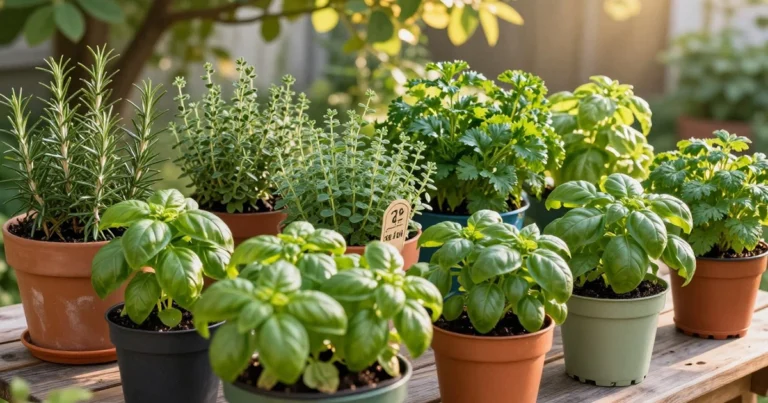
- Other Herbs: Grow alongside rosemary, thyme, or oregano. These herbs share similar growing requirements and can create a fragrant, pest-resistant herb garden that smells wonderful and provides a continuous harvest.
- Fruit Shrubs: Placing lemon mint plant near blueberries or raspberries can help deter small fruit-eating insects while attracting crucial pollinators to boost fruit set.
Landscape Uses & Harvest Tips
The versatile lemon mint plant can transform your garden into a sensory delight and provide a continuous supply of fresh herbs for your kitchen.
Creative Landscape Uses:
- ** pollinator Borders:** Its vibrant blooms and strong fragrance make it a magnet for bees, butterflies, and hummingbirds. Plant lemon mint plant in mass plantings along borders or pathways to create a dynamic, buzzing ecosystem.
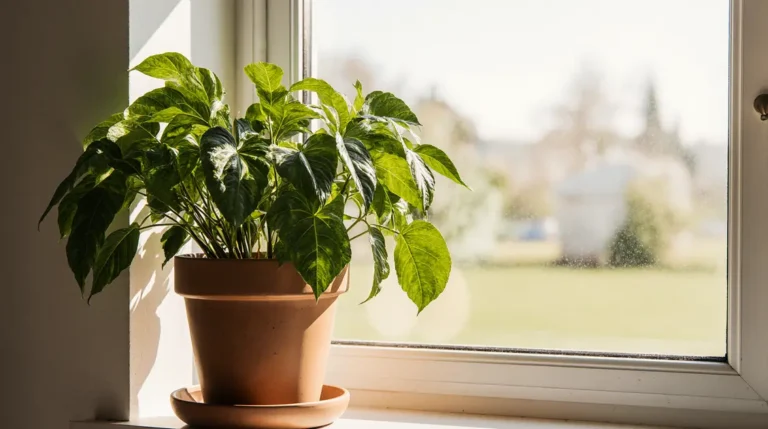
- Container Gardening: For urban gardeners or those with limited space, the lemon mint plant thrives in containers. Choose a pot at least 8-10 inches in diameter with good drainage. This allows you to easily move it to optimize sunlight exposure and protect it in colder weather. Imagine a fragrant pot by your kitchen door, ready for a quick snip!
- Herb Gardens: Naturally, it’s a star in any herb garden. Mix it with other sun-loving herbs like thyme, rosemary, and oregano for a diverse and aromatic display.
- Wildflower Meadows: If you’re aiming for a more naturalized look, incorporate lemon mint plant into a wildflower meadow. It contributes to biodiversity and adds a splash of vibrant color.
Harvesting Tips for Tea and Beyond:
For the most intense flavor, harvest leaves and flowers of your lemon mint plant in the morning after the dew has dried but before the heat of the day causes essential oils to dissipate.
- For Fresh Use (Tea, Salads): Snip individual leaves or small stems as needed. The plant will continue to produce new growth.
- For Drying (Long-term Storage): Cut entire stems about 4-6 inches above the ground, leaving enough foliage for the plant to recover. Hang bundles upside down in a warm, dark, well-ventilated area. This preserves up to 90% of its aromatic compounds.
- Encourage Bushier Growth: Regular harvesting encourages the lemon mint plant to branch out, leading to a bushier, more productive plant. Aim to harvest about one-third of the plant at a time.
- Flower Harvesting: The beautiful flowers are also edible and contribute to the tea’s flavor and beauty. Harvest them as they open for the best aesthetic and aromatic qualities.
Common Pests & Diseases to Avoid
While the lemon mint plant is generally robust, being proactive about pests and diseases ensures a healthy yield. Understanding common challenges can help you maintain your plant’s vitality.
Typical Pests:
- Aphids: Small, soft-bodied insects that cluster on new growth and the undersides of leaves, sucking sap. They can cause distorted growth and often leave a sticky residue (honeydew).
- Prevention/Treatment: A strong spray of water can dislodge them. For heavier infestations, an organic neem oil solution or insecticidal soap works effectively. Companion planting with strong-smelling herbs like garlic or chives has been shown to deter aphids by up to 40%.
- Spider Mites: Tiny arachnids that thrive in hot, dry conditions. You might notice fine webbing on leaves and silvery stippling.
- Prevention/Treatment: Increase humidity around the plant and spray with water regularly. Neem oil or insecticidal soap are also effective.
- Leafhoppers: Small, wedge-shaped insects that jump or fly when disturbed. They can cause stippling on leaves and transmit plant diseases.
- Prevention/Treatment: Keep garden free of weeds where they hide. Yellow sticky traps can help monitor and reduce populations.
Common Diseases:
- Powdery Mildew: This is the most common issue for lemon mint plant, especially in humid conditions with poor air circulation. It appears as a white, powdery fungus on leaves and stems, hindering photosynthesis.
- Prevention/Treatment: Ensure adequate spacing (12-18 inches) between plants to promote air circulation. Water at the base of the plant to keep foliage dry. In severe cases, organic fungicides like neem oil or a homemade baking soda spray (1 teaspoon baking soda per quart of water with a few drops of liquid soap) can be used. Planting resistant varieties like ‘Claire Grace’ can reduce incidence by over 70%.
- Rust: Appears as reddish-brown spots or pustules on the undersides of leaves.
- Prevention/Treatment: Remove and destroy infected leaves immediately. Improve air circulation and avoid overhead watering.
Growing Pitfalls:
- Leggy Growth: Often a sign of insufficient sunlight. Ensure your lemon mint plant receives at least 6-8 hours of direct sun.
- Yellowing Leaves: Can indicate overwatering (poor drainage) or nutrient deficiency. Check soil moisture and consider a balanced organic fertilizer if needed.
- Lack of Fragrance/Flavor: Usually due to too little sun or harvesting at the wrong time of day. Always harvest in the morning after dew dries.
By actively monitoring your lemon mint plant and employing these organic strategies, you can minimize issues and enjoy a robust, healthy harvest.
Seasonal Maintenance & Overwintering
Maintaining your lemon mint plant throughout the seasons ensures its longevity and continuous production, offering a perennial delight in your garden.
Spring: As new growth emerges, inspect your lemon mint plant for any winter damage. Cut back any dead or woody stems to about 4-6 inches from the ground to encourage fresh, vigorous growth. This is also an ideal time to divide overcrowded clumps (every 2-3 years) to rejuvenate the plant and prevent center die-out, potentially increasing flower production by 20-30%. Apply a balanced organic fertilizer if your soil is poor, but generally, compost is sufficient.
Summer: This is the peak growing season for your lemon mint plant. Focus on consistent watering, especially during dry spells, to keep the soil moist but not waterlogged. Deadhead spent flowers to encourage continuous blooming and prevent self-seeding if you want to control its spread. Regular harvesting of leaves for tea will also promote bushier growth and a more abundant yield. Pinch back stems that become too leggy to maintain a compact shape.
Fall: As temperatures begin to drop, reduce watering. In preparation for winter, you can cut back the entire plant to about 4-6 inches from the ground after the first hard frost. This helps prevent fungal diseases and provides a tidy appearance. Leave some standing stems if you prefer to provide winter interest or food for birds.
Overwintering (for colder climates – USDA Zones 3-4):
While the lemon mint plant is quite cold-hardy, in harsher climates, extra protection can ensure its survival.
- Mulching: Apply a 2-4 inch layer of organic mulch (straw, shredded leaves, or wood chips) around the base of the plant once the ground has frozen. This insulates the roots from extreme temperature fluctuations and helps prevent frost heave, protecting root systems from exposure.
- Container Plants: If growing in containers in colder zones, move pots to a sheltered, unheated location like a garage, shed, or cold frame. Ensure the soil remains barely moist throughout winter; do not let it dry out completely.
- Natural Protection: In milder winters, simply leaving the trimmed stems and spent foliage can provide a natural layer of insulation, breaking down to enrich the soil subtly.
By following these seasonal maintenance tips, your lemon mint plant will continue to thrive year after year, providing you with its delightful aroma and flavor.
Conclusion
From understanding the optimal soil conditions and planting seasons to mastering strategic harvesting and overwintering techniques, cultivating a vibrant lemon mint plant is a rewarding journey within reach of every gardener. This versatile herb not only invigorates your taste buds with its citrusy zest, perfect for a soothing cup of tea, but also enhances your garden’s ecosystem by attracting beneficial pollinators and deterring pests. Remember, consistent care, proper spacing, and timely intervention for common issues like powdery mildew are the bedrock of a thriving lemon mint plant.
Now, armed with these insights, it’s time to transform your gardening aspirations into reality. Don’t just read about it—experience the joy of nurturing your own fragrant Lemon Mint! We invite you to start planting your lemon mint plant today. Share your progress and gorgeous garden photos with us on social media using #MyLemonMintGarden. Looking for more herbal inspiration? Explore our other guides on “Growing Your Own Herbal Tea Garden” or “The Best Companion Plants for Pollinators” to further expand your green horizons!
FAQs
Q1: How often should I water my lemon mint plant?
A1: Water your lemon mint plant once or twice a week, aiming for about 1 inch of water. The key is to keep the soil consistently moist but never waterlogged. Always check the soil moisture by sticking your finger about an inch deep; if it feels dry, it’s time to water.
Q2: Can I grow lemon mint plant in a pot?
A2: Absolutely! The lemon mint plant is an excellent candidate for container gardening. Choose a pot at least 8-10 inches in diameter with good drainage holes. This allows for better control over soil conditions and makes it easier to move the plant to optimize sunlight or protect it during harsh weather, especially in colder climates.
Q3: Why isn’t my lemon mint plant very fragrant?
A3: A lack of fragrance often indicates insufficient sunlight. Ensure your lemon mint plant receives at least 6-8 hours of direct sunlight daily. Harvesting during the morning hours, after the dew has evaporated but before the intense midday sun, also helps capture the highest concentration of essential oils in the leaves.
Q4: How do I prevent powdery mildew on my lemon mint plant?
A4: Powdery mildew is common in humid conditions. To prevent it, ensure good air circulation by spacing plants 12-18 inches apart and trimming away dense foliage. Water at the base of the plant to keep leaves dry. If you see signs of mildew, a spray of neem oil or a baking soda solution (1 teaspoon baking soda per quart of water with a few drops of dish soap) can help manage it quickly.
Q5: When is the best time to harvest lemon mint plant for tea?
A5: The best time to harvest leaves for tea is in the morning, after the dew has dried but before the sun gets too hot. This is when the concentration of aromatic oils is highest, resulting in the most flavorful brew. You can harvest individual leaves or snip entire stems for drying. Regular harvesting also encourages the plant to produce more foliage.