10 Vegetables That Grow Well Together with Tomatoes (And Why).
Have you ever wondered if your tomatoes could be even more bountiful, healthier, and pest-free? Many gardeners intuitively group plants, but what if there was a scientifically-backed method to supercharge your harvest? The answer lies in effective co-planting, a gardening strategy that leverages the natural interplay between different species. This isn’t just about saving space; it’s about creating a thriving mini-ecosystem where plants support each other’s growth, deter pests, and even improve flavor. Forget the myth that every plant is a lone wolf – in the garden, community truly makes a difference. Let’s dive into the fascinating world of vegetables that grow well together with tomatoes, transforming your garden into a picture of vibrant health and productivity through mindful co-planting.
Table of Contents
Tools & Soil Requirements
Successful co-planting with tomatoes begins with the right foundation. You’ll need some essential tools and, crucially, the perfect soil.
Tools:
- Garden Trowel: For precise planting and weeding.
- Shovel or Spade: For turning soil and preparing larger beds.
- Gardening Gloves: To protect your hands.
- Watering Can or Hose with a Gentle Sprayer: For consistent watering without disturbing young plants.
- Stakes or Cages: Essential for supporting heavy tomato plants and their companions.
- Soil Test Kit: To understand your soil’s specific needs.
- Hand Pruners: For light trimming and harvesting without damaging delicate stems.
Soil Requirements:
Tomatoes, and most of their preferred companion plants, thrive in rich, fertile, and well-draining soil.
- Type: Aim for a “loamy” texture – a delightful blend of sand, silt, and clay that feels just right in your hands. This allows for excellent aeration and water retention.
- pH Level: Tomatoes prefer a slightly acidic to neutral pH, ideally between 6.0 and 6.8. A soil test kit will give you precise readings.
- Nutrient Content: Incorporate plenty of organic matter! Well-rotted compost or aged manure enriches the soil, providing a slow-release feast of nutrients for your plants. A soil enriched with organic material can hold up to 20 times its weight in water, vital for thirsty tomato plants.
- Drainage: Avoid heavy clay soils that can compact and lead to waterlogging. If your soil is dense, amend it with compost and perlite to improve drainage and prevent root rot.
Best Planting Season & Timing
For most tomato varieties and their chosen companions, timing is everything. Get it right, and you’re well on your way to a season of abundant harvests.
- When to Plant: The golden rule for tomatoes is to plant after the last frost date, when soil temperatures consistently reach 60°F (15°C) or warmer. This typically falls between late spring and early summer, depending on your climate zone.
- Germination Time:
- Tomato Seeds: Usually germinate within 5-10 days under optimal conditions (75-85°F/24-29°C).
- Companion Plant Seeds: Germination times vary widely but often fall within a similar window, making it convenient for simultaneous planting. For instance, basil germinates in 5-10 days, while marigolds take 7-14 days. These short germination periods for many companion plants are roughly 15-25% faster than some slower-growing perennials, allowing them to establish alongside your tomatoes.
- Time to Maturity:
- Tomatoes: Most varieties mature in 60-90 days from transplanting. Early varieties can be ready in as little as 50 days, while late-season types might take up to 100 days.
- Companion Plants: Many beneficial companions, like basil, marigolds, and lettuce, have much shorter maturity cycles (30-60 days), meaning you can enjoy continuous harvests from them while waiting for your tomatoes to ripen. This staggered maturity creates a dynamic, productive garden space.
Step-by-Step Planting Instructions
Ready to give your tomatoes the best neighbors possible? Follow these steps for successful co-planting.
Step 1: Design Your Co-Planting Layout
Before you dig, plan! Sketch out your garden bed. Consider plant mature sizes, sun exposure, and spacing. For example, taller tomatoes should be on the north side of shorter companions to avoid shading. Place your tomato stakes or cages now to avoid disturbing roots later.
Step 2: Prepare the Soil
Loosen the soil to a depth of at least 12-18 inches. Incorporate 2-4 inches of rich compost. If your soil test indicated low nutrients or incorrect pH, this is the time to add amendments like bone meal for phosphorus or lime/sulfur to adjust pH. Imagine nourishing a gourmet meal for your plants!
Step 3: Plant Your Tomatoes
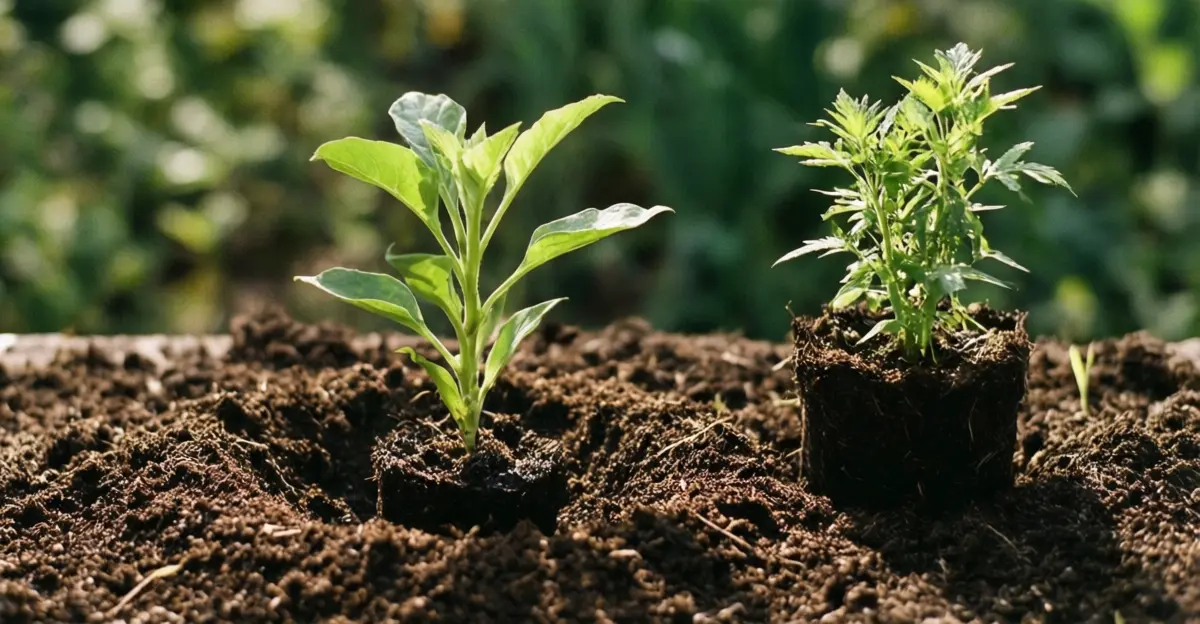
Dig a hole slightly deeper than the tomato’s root ball. For indeterminate varieties, you can plant them deeper, burying part of the stem to encourage more root growth. Gently place the tomato seedling, backfill with soil, and give it a good initial watering. Space them according to package directions, typically 2-3 feet apart.
Step 4: Introduce Companion Plants
Around your newly planted tomatoes, start placing your chosen companion plants.
- For Pest Deterrents (e.g., Marigolds, Basil): Plant these relatively close to the tomato base – within 6-12 inches – so their beneficial properties are most effective.
- For Ground Cover/Weed Suppression (e.g., Lettuce, Bush Beans): Space them to cover the open soil between your tomato plants, preventing weed growth and retaining soil moisture.
- For Structural Support/Nitrogen Fixation (e.g., Bush Beans): If using bush beans for nitrogen fixation, plant them in clusters around the tomatoes.
Step 5: Water Thoroughly
After planting all your chosen allies, water the entire bed deeply. This helps settle the soil around the roots and reduces transplant shock. Consider a dilute liquid seaweed solution to give them an added boost.
Step 6: Mulch Wisely
Apply a 2-3 inch layer of organic mulch (straw, shredded leaves, or wood chips) around your plants, keeping it a few inches away from the stems. Mulch conserves moisture, suppresses weeds, and moderates soil temperature – a triple win for your co-planting efforts.
Plant Care Essentials
Consistent care is the bedrock of a thriving co-planting garden.
- Water Needs: Tomatoes are thirsty! They need consistent, deep watering, especially during flowering and fruit set. Aim for 1-2 inches of water per week, either from rain or irrigation. Infrequent, shallow watering can lead to blossom end rot and cracked fruit. Your well-chosen companion plants will also appreciate this consistent moisture. Drip irrigation or soaker hoses are ideal to deliver water directly to the root zone, minimizing evaporation and fungal diseases.
- Sunlight Requirements: Tomatoes demand full sun – at least 6-8 hours of direct sunlight daily for optimal fruit production. Most of their ideal companions, like basil and marigolds, also thrive in full sun, making them perfect partners. Ensure your garden spot isn’t shaded by structures or larger trees.
- Temperature Tolerance: Tomatoes are warm-season crops. They thrive when night temperatures stay above 55°F (13°C) and daytime temperatures are between 65-85°F (18-29°C). While mature tomato plants can tolerate brief dips, consistently cool weather hinders fruit set. Most companion plants listed also prefer warmer conditions but can often handle cooler temperatures better than tomatoes.
- Fertilization: While rich soil provides a strong start, tomatoes are heavy feeders. Supplement with a balanced organic fertilizer (e.g., 5-10-5 NPK) every 3-4 weeks once fruits begin to set. Avoid high-nitrogen fertilizers after initial growth, as this fuels leafy growth at the expense of fruit production. Your companion plants will generally benefit from the same feeding regimen.
Best Varieties & Companion Plants
Choosing the right partners for your tomatoes can make all the difference. Here are 10 top companions and a tip for tomato varieties:
Tomato Variety Tip: For disease resistance, consider ‘Celebrity’ (determinate) or ‘Better Bush’ (determinate) for general reliability. ‘Sungold’ (indeterminate) is an excellent cherry tomato known for prolific yields and good disease tolerance. If starting with co-planting, these hardy varieties are a great choice.
Companion Plants for Tomatoes:
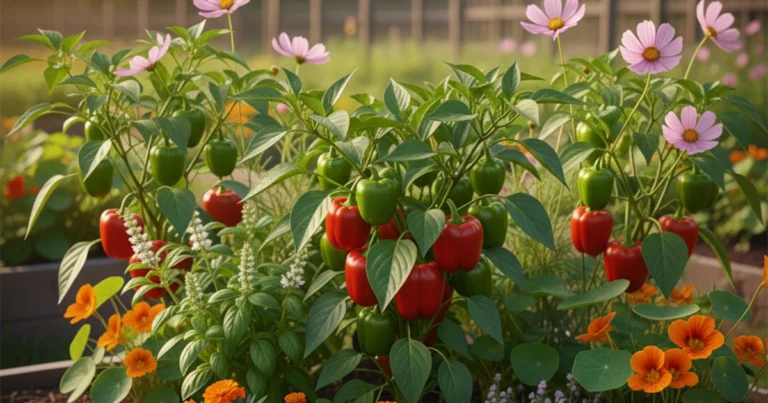
- Basil: The quintessential tomato companion! It’s believed to improve tomato flavor and repel tomato hornworms, flies, and mosquitoes.
- Marigolds (Tagetes spp.): French Marigolds (Tagetes patula) are famed for repelling nematodes in the soil and deterring other pests like whiteflies.
- Nasturtiums: Not only beautiful, but they act as a trap crop for aphids, luring them away from your tomatoes. Their leaves and flowers are also edible!
- Carrots: Planted nearby, they loosen the soil, improving drainage for tomato roots. Ensure they don’t shade each other.
- Calendula (Pot Marigold): Attracts beneficial insects like ladybugs and lacewings, which prey on aphids and other pests.
- Borage: This herb attracts beneficial pollinators and predatory wasps (that feast on hornworms) and is believed to enhance tomato growth and disease resistance.
- Lettuce: Low-growing lettuce varieties act as a living mulch, shading the soil, suppressing weeds, and keeping the soil cool and moist.
- Bush Beans (not Pole Beans): Fix nitrogen in the soil, enriching it naturally for your hungry tomatoes. Avoid pole beans, as they can compete for light and support.
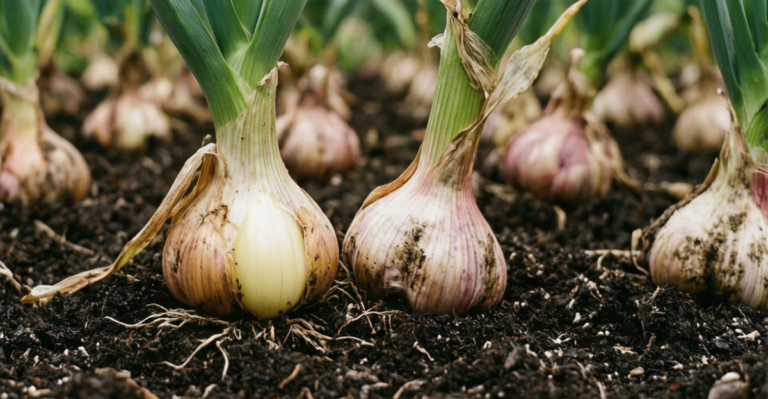
- Garlic/Onions/Chives: Their strong scent can deter common tomato pests like aphids and spider mites.
- Parsley: Attracts beneficial predatory insects that help keep pest populations in check.
Landscape Uses & Harvest Tips
Beyond the vegetable patch, your co-planting efforts can enhance your garden’s aesthetic and productivity.
Landscape Uses:
- Edible Borders: Use compact tomato varieties with basil, marigolds, and lettuce to create attractive and productive borders along pathways or beds. The vibrant colors of tomatoes, the lush green of basil, and the cheerful pop of marigolds make a stunning display.
- Container Gardening: Many determinate tomato varieties (like ‘Patio’ or ‘Bush Early Girl’) thrive in large containers (at least 15-20 gallon). Co-planting basil or nasturtiums directly in the same container not only saves space but also delivers those companion benefits to your patio harvest. Imagine fresh bruschetta picked right from your balcony!
- Raised Beds: Ideal for intense co-planting. Raised beds allow for excellent soil control, higher soil temperatures, and easier access, making them perfect for creating dense, mutually beneficial planting schemes.
Harvest Tips:
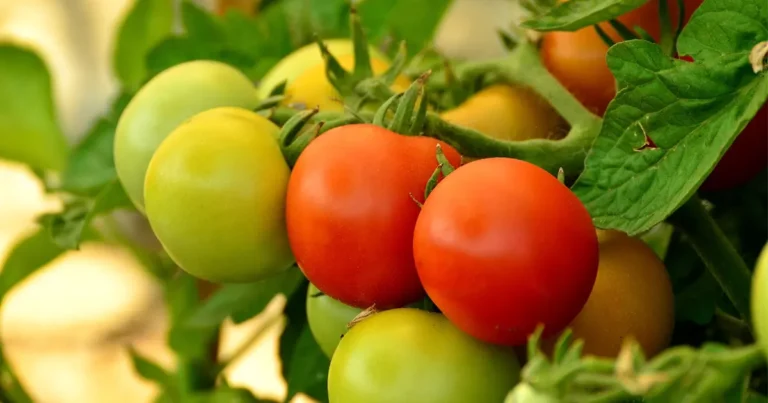
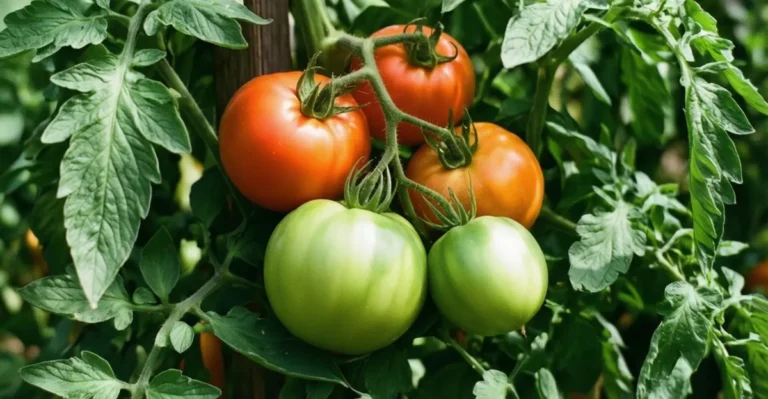
- Tomatoes: Harvest when fruits are fully colored and firm but slightly yielding to the touch. Pick in the morning after the dew has dried for the best flavor. Gently twist and pull, or use pruning shears to avoid damaging the plant.
- Basil: Pinch off leaves from the top regularly to encourage bushier growth and prevent flowering, which can diminish flavor. Don’t be shy – the more you harvest, the more it grows!
- Marigolds: Deadhead spent blooms to encourage continuous flowering throughout the season. These can then be left to decompose in the garden, adding organic matter.
- Beans: Pick bush beans frequently when young and tender for continuous production.
- Lettuce: Harvest outer leaves as needed for “cut-and-come-again” production, extending your fresh greens supply.
- Succession Planting: For quickly maturing companions like lettuce or basil, consider succession planting – sowing new seeds every 2-3 weeks – to ensure a continuous supply throughout the growing season alongside your long-producing tomatoes.
Common Pests & Diseases to Avoid
Even the best co-planting strategies can’t completely eliminate pests and diseases, but they significantly reduce risks.
- Tomato Hornworms: These large, green caterpillars can defoliate a plant quickly. Your Borage and Basil companions help, but manual removal is often necessary. Look for their distinctive droppings and hand-pick them off. Consider introducing predatory wasps for natural control (data indicates certain parasitic wasps can parasitize up to 80% of hornworm larvae).
- Aphids: Small, soft-bodied insects that cluster on new growth. Nasturtiums and Marigolds help deter them. A strong spray of water can dislodge them, or use insecticidal soap for severe infestations. Calendula and Parsley attract ladybugs, natural aphid predators.
- Whiteflies: Tiny white insects that fly up when disturbed. Marigolds and Nasturtiums are known to repel them. Yellow sticky traps can also be effective.
- Early Blight & Late Blight: Fungal diseases causing dark spots on leaves, often leading to defoliation. Good air circulation (achieved by staking and pruning), consistent watering (avoid overhead watering), and crop rotation are key. Choose disease-resistant tomato varieties. Ensuring proper plant spacing (as dictated by effective co-planting) is crucial for air flow.
- Blossom End Rot: Not a disease, but a calcium deficiency, often due to inconsistent watering. Ensure deep, regular watering. Healthy soil enriched with compost often mitigates this issue.
- Verticillium & Fusarium Wilt: Soil-borne fungal diseases that cause wilting and yellowing. There’s no cure; prevention through disease-resistant varieties, good drainage, and crop rotation is vital.
Organic Treatment & Prevention:
- Healthy Soil: The foundation of disease resistance.
- Crop Rotation: Don’t plant tomatoes in the same spot year after year.
- Sanitation: Remove diseased plant material immediately.
- Beneficial Insects: Encourage them with companion plants and avoid broad-spectrum pesticides. A well-designed co-planting scheme naturally promotes beneficial insect populations.
- Neem Oil: An organic broad-spectrum insecticide and fungicide that can deter many pests and fungal issues.
Seasonal Maintenance & Overwintering
Maintaining your co-planting bed throughout the season ensures peak performance, and preparing for winter is crucial for perennial companions.
- Pruning (Tomatoes): For indeterminate tomatoes, “suckering” (removing the small shoots that grow in the axils of the main stem and branches) directs energy to fruit production and improves air circulation, reducing disease risk. Aim to prune on dry days to prevent disease spread.
- Staking/Caging: As tomato plants grow, ensure they are well-supported to prevent breakage and keep fruit off the ground. Check ties regularly so they don’t girdle the stem.
- Weeding: While companion plants like lettuce act as living mulches, quickly remove any opportunistic weeds that sprout up. Weeds compete for water, nutrients, and light.
- Watering Adjustment: As temperatures climb in mid-summer, your plants may need more frequent watering. Similarly, as the season wanes, reduce watering slightly.
- End of Season Cleanup: Once frost hits, tomato plants are usually done. Remove all plant debris to prevent overwintering pests and diseases. Compost healthy material, but discard diseased plants.
Overwintering (for Perennial Gardeners and Container Plants):
Most of the companion plants mentioned are annuals and will complete their life cycle alongside your tomatoes.
- Hardy Herbs (like Chives): Many chives varieties are perennial. In colder climates (below Zone 6), a thick layer of mulch over their root crowns can help them overwinter. In containers, bring them indoors to a cool, bright spot.
- Soil Amendment: After clearing annuals, replenish the soil with a fresh layer of compost (2-3 inches). This “feeds” the soil microbes over winter, preparing it for next season’s bounty. Consider planting a cover crop like crimson clover in fall to further enrich the soil and prevent erosion.
Conclusion
Embracing co-planting is more than just a gardening technique; it’s a philosophy that fosters a healthier, more vibrant ecosystem right in your backyard. By strategically pairing tomatoes with their compatible plant allies, you’re not just growing food; you’re cultivating resilience, deterring pests naturally, and potentially enhancing the very flavor of your harvest. From the vibrant purple flowers of borage attracting beneficial insects to the humble basil safeguarding against hornworms, each plant plays a crucial role in this intricate dance of nature.
Ready to see your tomato plants thrive like never before? Don’t just plant – plan! Use these insights to transform your garden beds into bustling hubs of productivity. Share your own co-planting successes, challenges, and beautiful garden photos with us on social media using #LovePlantingTomatoes. Feeling inspired? Dive deeper into our other guides on organic pest control and soil enrichment to perfect your gardening prowess!
FAQs
Q1: Can I plant all 10 companion vegetables with my tomatoes at once?
A: While it’s tempting to use all beneficial plants, space is key. Focus on a selection of 3-5 that best address your garden’s specific needs (e.g., pest deterrence, nitrogen fixation, flavor enhancement). Overcrowding can lead to competition for resources and reduced airflow.
Q2: Will co-planting guarantee a pest-free garden?
A: No method guarantees 100% pest-free results, but effective co-planting significantly reduces pest pressure by confusing pests, attracting beneficial insects, and improving plant health. It’s a powerful tool in an organic gardener’s arsenal.
Q3: How close should companion plants be to tomatoes for optimal effect?
A: Generally, pest-repelling companions like basil or marigolds should be within 6-12 inches of the tomato plant. Ground covers like lettuce can be planted between plants to cover bare soil. Nitrogen fixers like bush beans should be close enough to share resources but not so close as to compete heavily for light.
Q4: Should I rotate my companion plants as well as my tomatoes?
A: Yes, it’s good practice to rotate all your crops, including companion plants, if they are annuals or if you grow them for their root systems (like carrots, which are annuals). This prevents the buildup of soil-borne diseases and optimizes nutrient use.
Q5: Is there anything I absolutely shouldn’t plant with tomatoes?
A: Absolutely! Avoid planting brassicas (broccoli, cabbage, kale) near tomatoes as they can inhibit growth. Fennel can inhibit the growth of many plants, including tomatoes. Corn and tomatoes also compete heavily for nutrients and can share certain pests. Lastly, avoid planting potatoes near tomatoes, as they belong to the same family and can share diseases like early blight.