Expert Tips on What to Plant Next to Tomatoes for a Bigger Harvest.
Think you know everything about growing tomatoes? What if I told you there’s a simple, data-backed secret to not just a bigger, but a more flavorful and healthier harvest, right in your own backyard? Most gardeners focus solely on soil enrichment or watering schedules, but the true magic often happens when you strategically pair your beloved tomatoes with the right vegetables that grow well together. Forget common gardening beliefs that isolate your crops; successful co-planting is about creating a thriving, symbiotic ecosystem. This comprehensive guide will transform your tomato patch into a vibrant powerhouse, revealing the ultimate companion plants that lead to unprecedented yields.
Table of Contents
Tools & Soil Requirements
Before you even think about putting a seedling in the ground, ensure you have the right arsenal. For optimal tomato growth alongside their ideal companions, you’ll need:
- Gardening Trowel & Fork: Essential for precise digging and aerating.
- Gardening Gloves: Protect your hands while working.
- Watering Can or Soaker Hose: Consistent, deep watering is crucial.
- Pruning Shears: For shaping plants and removing diseased foliage.
- Soil pH Test Kit: Tomatoes thrive in a slightly acidic to neutral range (6.0-6.8 pH).
- Stakes or Cages: To support your tomato plants as they grow heavy with fruit.
Soil is paramount. Tomatoes, and many of the best companion vegetables that grow well together, demand loamy, well-draining soil, rich in organic matter. Aim for a soil structure that feels like a crumbled chocolate cake – not too sandy, not too clayey. Incorporate compost or well-rotted manure generously, approximately 2-3 inches mixed into the top 6-8 inches of soil, to provide a nutrient-rich foundation. Optimal climate conditions involve at least 6-8 hours of direct sunlight per day and consistent temperatures above 60°F (15°C) at night.
Best Planting Season & Timing
The best time to plant tomatoes and their companion vegetables that grow well together is typically in late spring, after all danger of frost has passed. Check your local last frost date – typically late April to early June in most temperate zones. For transplants, aim to get them in the ground when nighttime temperatures consistently stay above 50°F (10°C).
- Tomato Germination: If starting seeds indoors, expect germination in 5-10 days. Many companion plants, like basil, also germinate within this timeframe, making them ideal to start together.
- Time to Maturity: Most indeterminate tomato varieties mature in 70-85 days after transplanting, while determinate varieties can be as quick as 50-60 days. Many beneficial companions, such as bush beans or lettuce, have shorter maturity times (45-60 days), allowing for successive planting. This rapid growth in companions creates a dynamic environment, offering continuous pest deterrence and soil benefits.
Step-by-Step Planting Instructions
Creating a thriving tomato garden with synergistic companion plants is simpler than you think. Follow these steps for success:
1. Preparing Your Garden Bed
Start by clearing a sunny spot (6-8 hours direct sun minimum). Work in 2-3 inches of rich compost or aged manure to a depth of 10-12 inches. If your soil is heavy clay, consider raising your beds to improve drainage. Use your pH test kit to ensure the soil is within the ideal 6.0-6.8 range.
2. Spacing Your Tomatoes Correctly
For healthy air circulation and root development, space tomato plants 2-3 feet apart. This prevents fungal diseases and gives them ample room to grow. If you’re using cages or stakes, install them before the plants get too large to avoid disturbing their roots.
3. Introducing Your Companion Plants
This is where the magic of co-planting truly shines! Plant your chosen companions around the base of your tomato plants or in alternating rows. For instance, basil can be planted 6-12 inches away, while carrots and marigolds can be interspersed between plants or along the bed’s edge. Ensure companions don’t shade out your young tomato plants initially.
4. Initial Watering & Mulching
After planting, give everything a good, deep watering. Then, apply a 2-4 inch layer of organic mulch (straw, aged wood chips, or shredded leaves) around the plants. Mulch conserves moisture, suppresses weeds, and regulates soil temperature – crucial for consistent growth.
Plant Care Essentials
Consistent care is the backbone of a bountiful harvest. These are the non-negotiables:
- Water Needs: Tomatoes are thirsty! They require 1-1.5 inches of water per week, especially during fruiting. Deep, consistent watering is key to preventing blossom end rot and fruit splitting. Aim to water at the plant’s base to avoid wetting foliage, which can lead to fungal diseases.
- Sunlight Requirements: As mentioned, 6-8 hours of direct sun is essential. Insufficient light leads to leggy plants and poor fruit set.
- Temperature Tolerance: Tomatoes thrive in daytime temperatures between 70°F and 85°F (21°C-29°C). They can tolerate brief dips, but prolonged cold (below 50°F/10°C) or extreme heat (above 90°F/32°C) can affect fruit production.
- Feeding: Light feeders early on, tomatoes become heavy feeders once fruiting. Use a balanced organic fertilizer (e.g., 5-10-5) every 3-4 weeks, or integrate a granular slow-release tomato-specific feed. Monitor your pH; some fertilizers can alter it.
Best Varieties & Companion Plants
Choosing the right tomato varieties and understanding which vegetables that grow well together can elevate your garden.
Disease-Resistant Tomato Varieties:
- ‘Celebrity’: A disease-resistant determinate hybrid, known for reliable yields and good flavor.
- ‘Big Beef’: An indeterminate F1 hybrid with excellent disease resistance (VFFNTA) and large, juicy fruits.
- ‘Mountain Magic’: Highly resistant to early and late blight, perfect for humid climates.
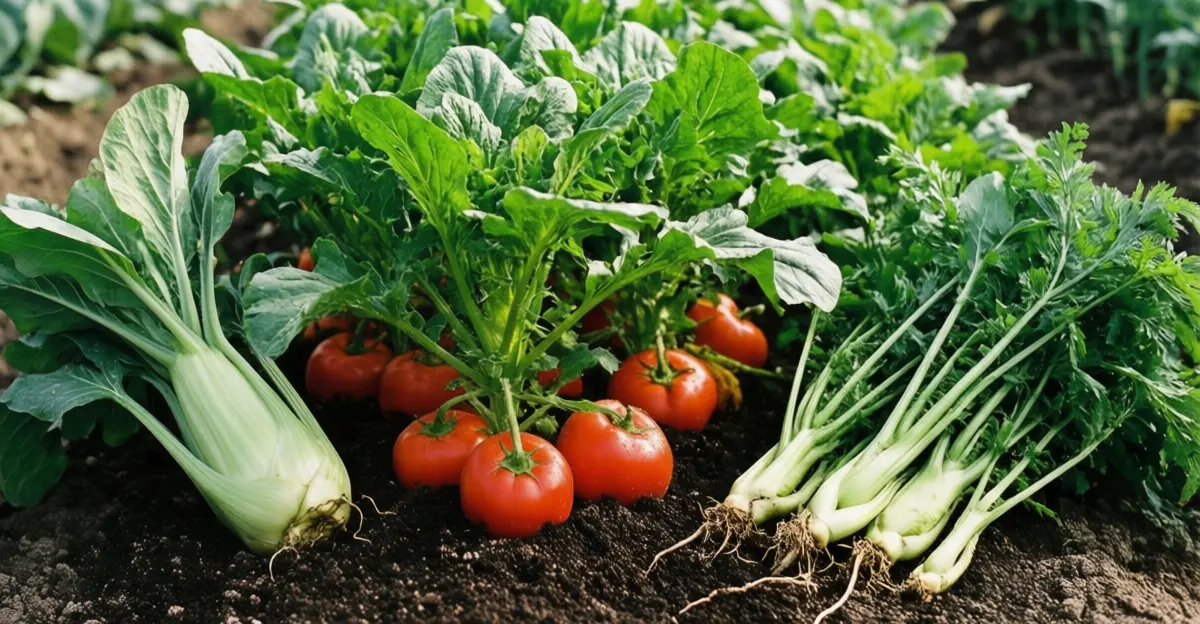
Companion Plants for Tomatoes:
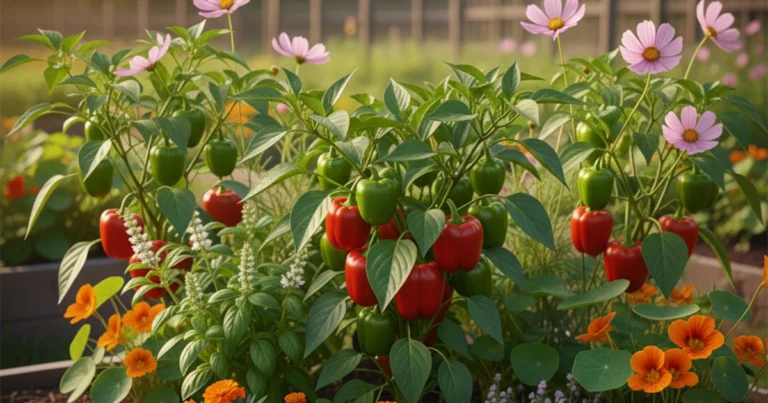
- Basil: A classic! Basil is said to deter tomato hornworms and whiteflies, and many gardeners swear it enhances tomato flavor. Plant it close by.
- Marigolds (Tagetes spp.): French marigolds are excellent for deterring nematodes and other soil-borne pests. Plant them at the ends of rows or throughout the bed.
- Carrots: Loose soil around carrots can benefit tomato roots. Carrots can also help break up heavier soils.
- Borage: Attracts beneficial pollinators like bees and deters tomato hornworms. Its prickly leaves are also said to improve tomato disease resistance.
- Nasturtiums: Trap aphids, drawing them away from your tomato plants. They also make a spicy, edible addition to salads.
- Bush Beans: Fix nitrogen in the soil, providing a natural nutrient boost for heavy-feeding tomatoes. Avoid pole beans, as their vigor might outcompete tomatoes.
Landscape Uses & Harvest Tips
Integrating tomatoes and their companions into your landscape can be both practical and beautiful.
- Edible Borders: Use determinate tomato varieties and their bushy companions like basil or marigolds to create an appealing edible border along a path or fence line.
- Container Gardening: For smaller spaces, select compact tomato varieties like ‘Bush Early Girl’ and pair them with container-friendly basil or dwarf marigolds in large pots (at least 5-gallon). Ensure excellent drainage.
- Vertical Gardening: Utilize trellises or stakes for indeterminate tomatoes. Plant shallow-rooted companions at their base, maximizing space.
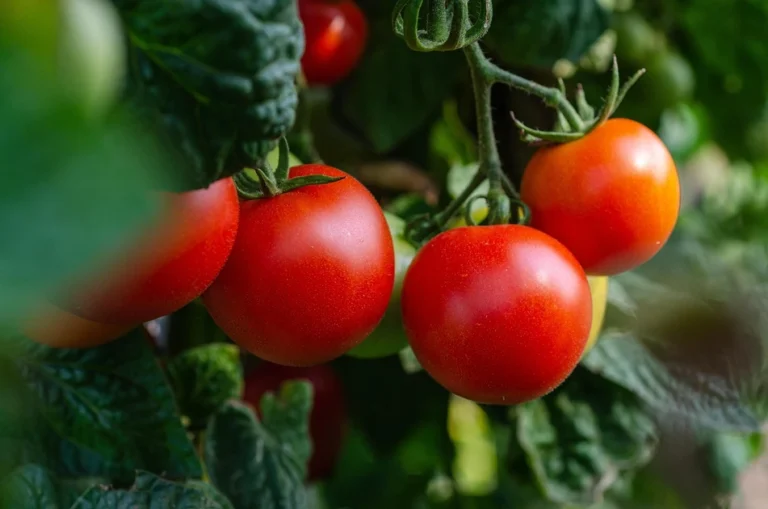
Harvesting Tips: Pick tomatoes when they are fully colored and firm. A gentle twist should release them from the vine. Harvest often to encourage more fruiting. For companions like basil, regularly pinch off flower buds to promote bushier growth and extend the harvest. Imagine stepping into your garden, plucking a ripe, sun-warmed tomato and fresh basil for an instant, mouth-watering Caprese salad – that’s the joy of effective co-planting!
Common Pests & Diseases to Avoid
Even with the best intentions, garden challenges arise. Here’s how to tackle them organically:
- Tomato Hornworms: Large, green caterpillars that can defoliate a plant quickly. Hand-pick them off and drop them into soapy water. Borage is a known deterrent.
- Aphids: Small, soft-bodied insects that cluster on new growth. Blast them off with a strong stream of water or introduce ladybugs (natural predators). Nasturtiums also act as a sacrificial crop.
- Early Blight/Late Blight: Fungal diseases causing dark spots on leaves and fruit. Ensure good air circulation, water at the base, and plant resistant varieties. Copper-based fungicides can be used as an organic treatment. Proper spacing with your desired vegetables that grow well together can significantly reduce disease spread.
- Blossom End Rot: Not a disease, but a calcium deficiency, often due to inconsistent watering. Ensure deep, consistent watering and maintain even soil moisture with mulch.
Seasonal Maintenance & Overwintering
- Mid-Season Pruning: For indeterminate tomatoes, prune suckers (shoots that grow in the crotch between the main stem and a leaf branch) to direct energy into fruit production. This also improves air circulation.
- Support & Tying: Continuously tie growing tomato stems to stakes or cages as they grow to prevent breakage and keep fruit off the ground.
- Succession Planting: Many companion plants like basil, lettuce, or bush beans can be succession planted every 2-3 weeks for a continuous harvest throughout the season.
- End of Season: Once frost threatens, harvest any remaining green tomatoes to ripen indoors. Clear away all spent plant material to prevent disease overwintering. Tomato plants are annuals in most climates and will not overwinter.
Conclusion
Mastering the art of co-planting with tomatoes isn’t just about maximizing space; it’s about creating a harmonious garden ecosystem where each plant supports the other. By strategically choosing vegetables that grow well together, you’re not only fostering healthier, more robust tomato plants but also enhancing flavor, deterring pests, and inviting beneficial insects.
Ready to witness the magic in your own backyard? Don’t just grow tomatoes; cultivate an entire culinary experience! Start planting your perfect tomato companions today and share your gorgeous harvest photos with us on social media using #TomatoCompanionGoals. Explore more of our expert planting guides for other edible plants and unleash your inner green thumb!
FAQs
Q1: Can I plant peppers next to tomatoes?
A1: Yes, peppers and tomatoes are in the same plant family (nightshades) and generally make good neighbors, sharing similar care requirements. Just ensure adequate spacing and nutrients for both.
Q2: What should NEVER be planted next to tomatoes?
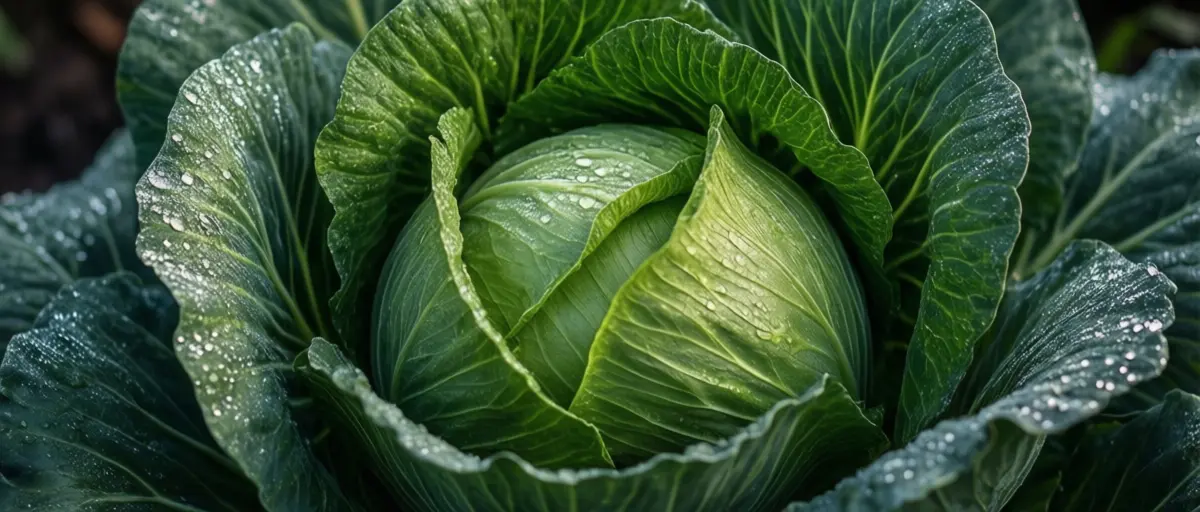
A2: Common advice suggests avoiding brassicas (broccoli, cabbage, kale) and fennel, as they can inhibit tomato growth. Corn can also attract earworms, which can affect tomatoes.
Q3: Does basil really improve tomato flavor?
A3: While scientific evidence is limited, many experienced gardeners, including myself, swear by the positive impact of basil on tomato flavor. It’s also an excellent pest deterrent, so it’s a win-win!
Q4: How do I know if my soil is “loamy”?
A4: A simple test: grab a handful of damp soil. If it forms a ball but crumbles easily when poked, it’s likely loamy. If it holds its shape too firmly, it’s likely clay; if it falls apart instantly, it’s sandy.
Q5: Can I succession plant my companion herbs?
A5: Absolutely! Many herbs like basil or dill can be replanted every few weeks throughout the growing season to ensure a continuous supply of fresh leaves. This also keeps their pest-deterring properties active.