Annuals vs Perennials: Life Cycle Differences Explained
When planning your garden, understanding the different types of plants is crucial. One key distinction lies between annual plants and perennials. So, what exactly is an annual plant? Simply put, an annual plant is one that completes its life cycle within a year.
Table of Contents
Annuals vs. Perennials: Life Cycle Differences Explained
Key Takeaways
- Annual plants complete their life cycle within a year.
- They germinate, grow, produce flowers and seeds, and die in one growing season.
- Annuals offer flexibility in garden design.
- You can change the types of annuals in your garden yearly.
- They are ideal for adding variety and color.
Defining Annual Plants: The One-Season Wonders
Annual flowers, or flower annuals, are plants that germinate, grow, produce flowers, and set seed all within one growing season. These plants are the epitome of resilience and adaptability, thriving in a wide range of conditions.
The Complete Life Cycle of Annual Plants
The life cycle of annuals is characterized by rapid growth and development. From germination to seed production, annuals complete their life cycle in a remarkably short period.
From Seed to Seed in a Single Season
Annual plants start as seeds, germinate, grow into mature plants, produce flowers, and eventually set seed for the next generation, all within a single growing season. This rapid life cycle allows them to quickly colonize new areas and adapt to changing environments.
Biological Characteristics of Annuals
Annuals exhibit distinct biological characteristics that enable them to thrive. Key traits include:
- Rapid growth rates to quickly occupy space and resources
- High energy allocation to flower and seed production
- Adaptability to various environmental conditions
Growth Rate and Energy Allocation
Annuals allocate a significant amount of energy to producing flowers and seeds, ensuring their survival and propagation. This strategy allows them to rapidly spread and thrive in diverse garden settings.
Annuals vs Perennials: Key Differences
Annuals and perennials are two categories of plants that serve different purposes in a garden, each with its unique characteristics. Understanding these differences is vital for gardeners to make informed decisions about their garden design and plant selection.
Growth Patterns and Longevity
One of the primary differences between annuals and perennials lies in their growth patterns and longevity. Annuals complete their life cycle within a year, germinating, growing, producing flowers and seeds, and dying all within a single growing season. In contrast, perennials live for multiple years, often regrowing new growth from the same roots year after year.
Root Systems and Structure
The root systems of annuals and perennials also differ significantly. Annuals typically have shallow root systems that allow them to quickly absorb nutrients from the soil. Perennials, on the other hand, often develop deeper and more extensive root systems that enable them to survive harsh weather conditions and regenerate new growth.
Seed Production and Reproduction Strategies
Annuals and perennials have different reproduction strategies. Annuals rely heavily on seed production to ensure their survival, as they need to produce seeds to germinate into new plants the following season.
Why Annuals Produce More Seeds
Annuals produce more seeds as a survival strategy, compensating for their lack of longevity by ensuring a new generation of plants. This strategy allows annuals to quickly colonize new areas and adapt to changing environments.
In summary, the differences between annuals and perennials are rooted in their growth patterns, longevity, root systems, and reproduction strategies. By understanding these differences, gardeners can better plan and maintain their gardens.
Types of Annual Plants for Your Garden
Annual plants are categorized into several types, including summer and winter annuals, each with unique characteristics. Understanding these categories can help you choose the right plants for your garden’s specific needs.
Summer Annuals: Spring-Planted Varieties
Summer annuals are planted in the spring and thrive during the warmer months. They complete their life cycle within a single growing season, providing vibrant colors and textures to your garden. Examples include marigolds, zinnias, and sunflowers. These plants are ideal for adding a pop of color to your garden during the summer.
Winter Annuals: Fall-Planted Options
Winter annuals are planted in the fall and grow through the winter, often blooming in early spring. They can tolerate cooler temperatures and are perfect for adding some color to your garden during the colder months. Pansies and cyclamen are popular choices for winter annuals.
Hardy vs Tender Annuals
Annuals can also be classified as hardy or tender, depending on their ability to withstand frost. Hardy annuals can tolerate light frosts, while tender annuals are sensitive to cold temperatures and may need to be protected or brought indoors during winter.
Understanding Frost Tolerance
Frost tolerance is a crucial factor when selecting annuals, especially in areas with cold winters. Knowing whether an annual is hardy or tender will help you prepare for the changing seasons and ensure the longevity of your plants.
Popular Annual Flowers for Different Garden Needs
Whether you’re looking to add a splash of color or texture, annual flowers are an excellent choice. They offer a wide range of benefits, from vibrant blooms to attractive foliage, and can be used in various garden settings.
Colorful Blooming Annuals for Impact
For gardens that need a burst of color, blooming annuals are a great option. These flowers come in a variety of colors and can be chosen based on the desired impact.
Best Choices for Continuous Color
To achieve continuous color throughout the growing season, consider planting a mix of annuals that bloom at different times. Some of the best choices include petunias, marigolds, and zinnias. These flowers are not only colorful but also easy to care for.
Foliage Annuals for Texture and Contrast
In addition to blooming annuals, foliage annuals can add texture and contrast to your garden. Plants like coleus and sweet potato vine offer attractive leaves that can complement flowering annuals.
Annuals for Containers and Small Spaces
Annual flowers are particularly well-suited for containers and small spaces. They can be easily moved or rearranged, and many varieties thrive in confined spaces. Consider using impatiens or begonias for shaded areas, or geraniums and petunias for sunny spots.
Cutting Garden Annuals
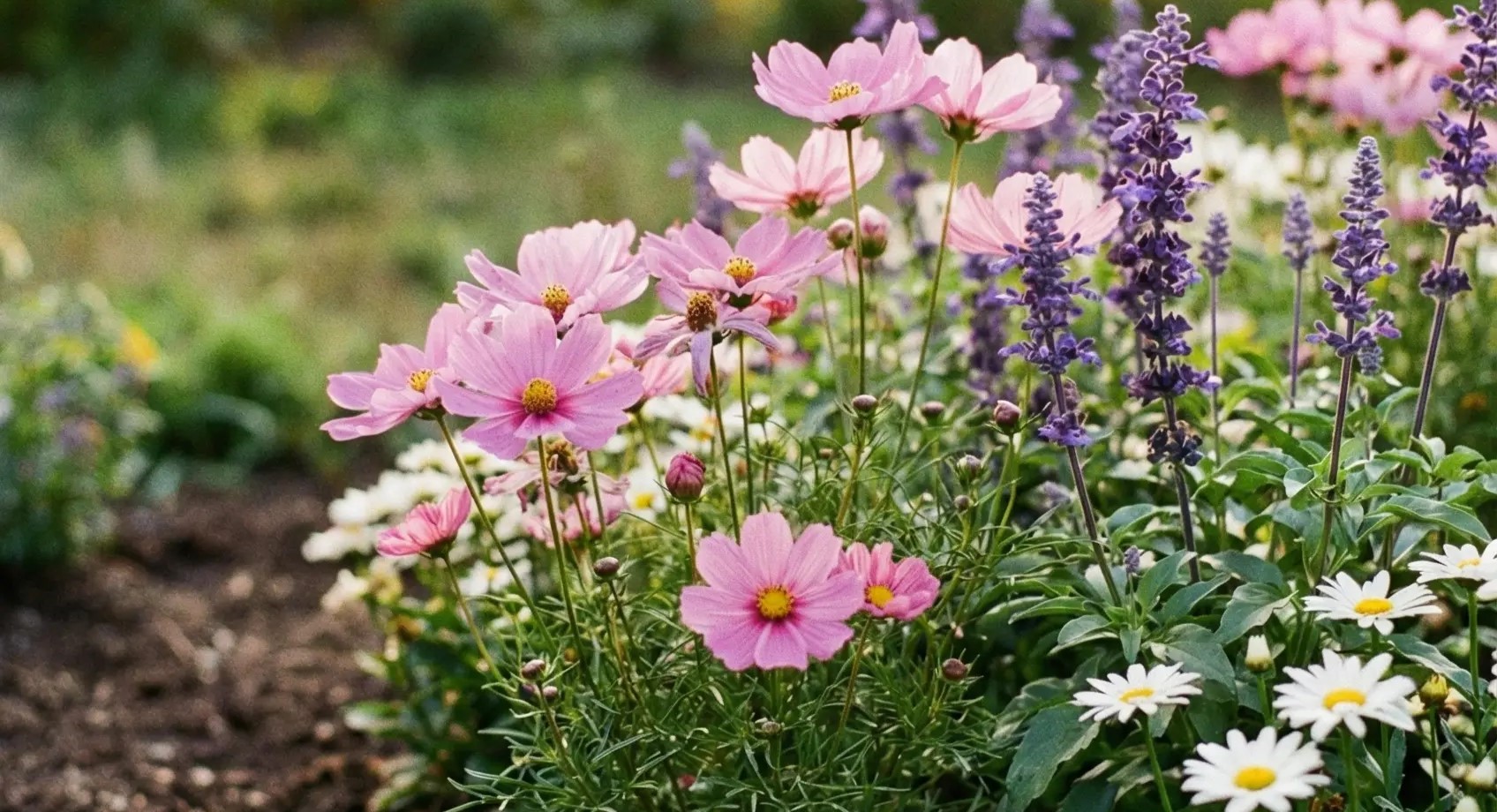
For those who enjoy cutting flowers, certain annuals like sunflowers and cosmos are ideal. They produce beautiful blooms that can be cut and arranged in vases, adding a touch of garden freshness to indoor spaces.
Benefits of Growing Annual Plants in Your Landscape
The advantages of growing annual plants in your landscape are multifaceted, ranging from quick results to cost-effectiveness. Annual plants are a gardener’s best friend when it comes to achieving instant color and vibrancy in their outdoor spaces.
Quick Results and Instant Color
One of the primary benefits of annual plants is their ability to provide quick results. Unlike perennials, which can take years to mature, annuals grow and bloom rapidly, giving you instant color and texture in your garden.
Flexibility in Garden Design
Annuals offer flexibility in garden design, allowing you to change your garden’s look seasonally. This flexibility is particularly useful for keeping your garden looking fresh and interesting throughout the year.
Extended Blooming Periods
Many annuals have extended blooming periods, ensuring that your garden remains colorful for a longer duration. This characteristic is especially beneficial for maintaining a vibrant garden throughout the growing season.
Cost-Effective Garden Solutions
Annual plants are often less expensive than perennials, making them a cost-effective solution for gardeners. Additionally, because they complete their life cycle within a year, you can try out different varieties without long-term commitment.
| Benefit | Description |
| Quick Results | Annuals provide instant color and texture. |
| Flexibility | Allows for seasonal changes in garden design. |
| Extended Blooming | Keeps the garden colorful for longer periods. |
| Cost-Effectiveness | Less expensive than perennials, with no long-term commitment. |
How to Grow Successful Annual Plants
To cultivate thriving annual flowers, it’s essential to master a few key gardening practices. Annual plants can add a burst of color and vibrancy to your garden, but they require specific care to flourish.
Soil Preparation and Planting Techniques
Preparing the soil is a critical step in growing successful annuals. Ensure your soil is well-draining and rich in organic matter. You can improve soil quality by adding compost or well-rotted manure. When planting, follow the instructions on the seed packet or seedling label for correct spacing and depth.
Watering and Fertilizing Requirements
Annuals need consistent moisture, especially when they’re producing flowers. Water them regularly, but avoid overwatering, which can lead to root rot. Fertilize your annuals with a balanced fertilizer once a month to promote healthy growth and blooming.
Maintenance, Deadheading and Pinching
Regular maintenance is crucial for keeping your annuals looking their best. Deadheading, or removing spent flowers, encourages more blooms and prevents seed production. Pinching back the tips of stems can promote bushy growth and prevent legginess.
Common Problems and Solutions
Annuals can be susceptible to pests and diseases. Keep an eye out for signs of trouble, such as aphids, whiteflies, or fungal infections.
Dealing with Pests and Diseases
If you notice any issues, take action promptly. Use organic or integrated pest management methods whenever possible to minimize harm to beneficial insects. For diseases, remove infected plants or parts to prevent the spread.
Regional Considerations for Annual Plants in the US
Regional climate plays a significant role in the success of annual plants in your garden. The diverse climates across the US demand careful selection and timing to ensure your annuals thrive.
Best Annuals for Different Climate Zones
Different regions have unique climate characteristics that influence the types of annuals that will flourish. For instance, warm-season annuals like marigolds and zinnias do well in the southern states, while cool-season annuals such as pansies and snapdragons are better suited for the northern climates.
Timing Your Planting by Region
The timing of planting annuals varies significantly by region. In general, it’s essential to plant after the last frost date in your area. For example, gardeners in the southern US can start planting earlier than those in the northern states.
Extending the Growing Season
Techniques for Early Spring and Late Fall
To extend the growing season, gardeners can use techniques like cold frames or row covers to protect plants from frost. “Using season extension techniques can significantly enhance your annual garden’s productivity,” says a seasoned gardener. By employing these strategies, you can enjoy your annuals for a longer period.
Conclusion: Making the Most of Annual Plants in Your Landscape
As you’ve explored the world of annual plants, it’s clear that they offer a wealth of possibilities for adding color, texture, and vibrancy to your garden. By understanding the different types of annual flowers and their unique characteristics, you can create a dynamic and engaging outdoor space that reflects your personal style.
Incorporating flower annuals into your gardening plans can provide quick results, flexibility in design, and extended blooming periods. Whether you’re looking to add a pop of color or create a lush, textured landscape, annual plants are an excellent choice. With the right selection and care, you can enjoy a thriving and beautiful garden throughout the growing season.
By applying the knowledge gained from this article, you can make informed decisions about which annual plants to use in your garden, ensuring a stunning display of annual flowers that will keep your outdoor space looking its best.
FAQ
What is an annual plant?
An annual plant is a type of plant that completes its life cycle within a single growing season. It germinates, grows, produces flowers and seeds, and dies all within a year.
How do annuals differ from perennials?
Annuals differ from perennials in that they complete their life cycle in one season, whereas perennials come back year after year. Annuals typically grow, produce flowers, and seed in a single season, while perennials often have a dormant period during the winter.
What are some examples of popular annual flowers?
Some examples of popular annual flowers include marigolds, zinnias, petunias, and sunflowers. These flowers are great for adding color and vibrancy to your garden and can be used in a variety of settings, from containers to cutting gardens.
How do I choose the right annuals for my climate?
To choose the right annuals for your climate, consider factors such as temperature, moisture, and sunlight. Hardy annuals can tolerate frost, while tender annuals are sensitive to cold temperatures. Check the specific needs of the annuals you’re interested in growing to ensure they’re suitable for your climate zone.
What are the benefits of growing annual plants?
Growing annual plants provides several benefits, including quick results, instant color, and flexibility in garden design. Annuals can also be cost-effective and provide extended blooming periods, making them a great addition to your garden.
How do I care for my annual plants?
To care for your annual plants, make sure to provide them with the right amount of water, fertilizer, and sunlight. Regular maintenance, such as deadheading and pinching, can also help promote healthy growth and blooming.
Can I grow annuals in containers?
Yes, annuals can thrive in containers. Choose containers with good drainage, and select annuals that are suitable for container growing, such as compact or trailing varieties. Make sure to provide your container annuals with the right amount of water, fertilizer, and sunlight.
How can I extend the blooming season of my annuals?
To extend the blooming season of your annuals, consider techniques such as succession planting, where you plant new annuals every few weeks, or deadheading, which encourages plants to produce more flowers. You can also choose annuals with different blooming periods to ensure a continuous display of color.