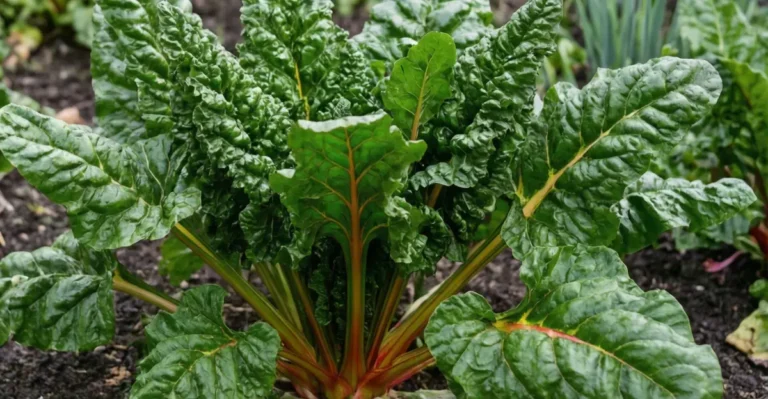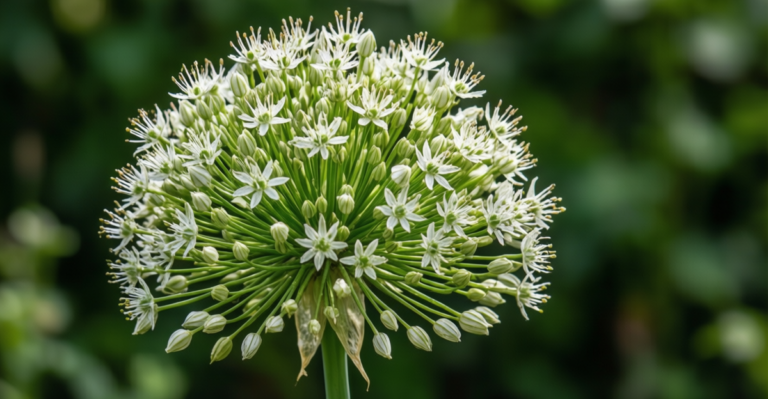
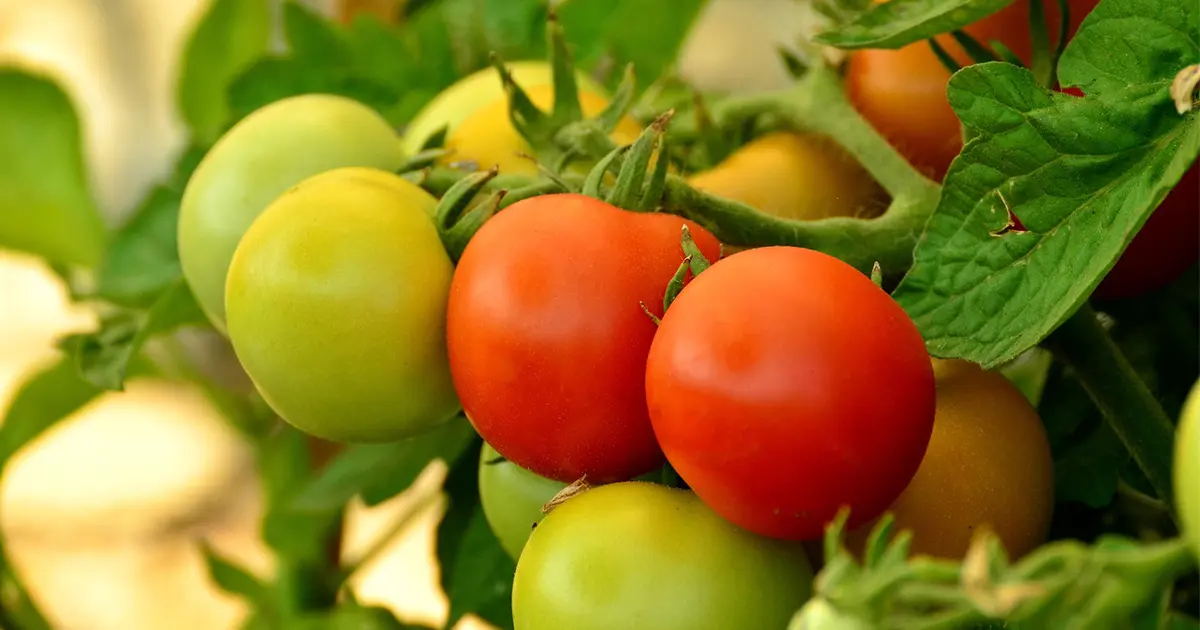
The 10 Best Tomato Companion Plants (and 5 Plants to Avoid!)
If you’ve ever grown tomatoes, you already know they’re not just another crop. They turn into this little project you check on every morning, almost like you’re raising a tiny plant family. You water them, prune them, talk to them (don’t deny it), and when they finally start producing fruit, it feels like a personal achievement. So when something threatens your tomatoes—pests, diseases, slow growth—it hits differently.
That’s where tomato companion plants step in. These aren’t just random plants you toss nearby. Think of them as your tomatoes’ personal support squad: some guard them from pests, others improve flavor, and some make the soil healthier so your tomatoes can thrive.
If you want a garden setup that’s smarter, more natural, and easier to maintain, companion planting is your move. By the end of this guide, you’ll know exactly what to plant next to your tomatoes—and what to keep far, far away.
Table of Contents
What Are Tomato Companion Plants?
How Companion Planting Works
Companion planting is basically teaming up plants that benefit each other. Some plants release natural chemicals into the soil, others attract beneficial insects, and some act like shields against pests. When you pair the right plants together, you get fewer problems and stronger growth without relying on chemicals.
This strategy works because plants influence their environment more than most people realize. Their scent, their roots, their blossoms—they all play a role. When you understand those interactions, you create a garden layout that works with nature, not against it.
Why You Should Use Tomato Companion Plants
When you choose the right tomato companions, you gain several benefits instantly:
- Natural pest control — No one wants aphids or hornworms ruining their crop.
- Better growth and flavor — Some plants genuinely make your tomatoes richer and sweeter.
- Healthier soil — Looser soil, more nutrients, and improved moisture control.
- Less disease pressure — Good companions help limit fungal spread and soil-borne problems.
- Higher yield — More flowers, more fruit, more success.
If you’re aiming for strong, healthy tomatoes without constant stress, companion planting becomes your secret weapon.
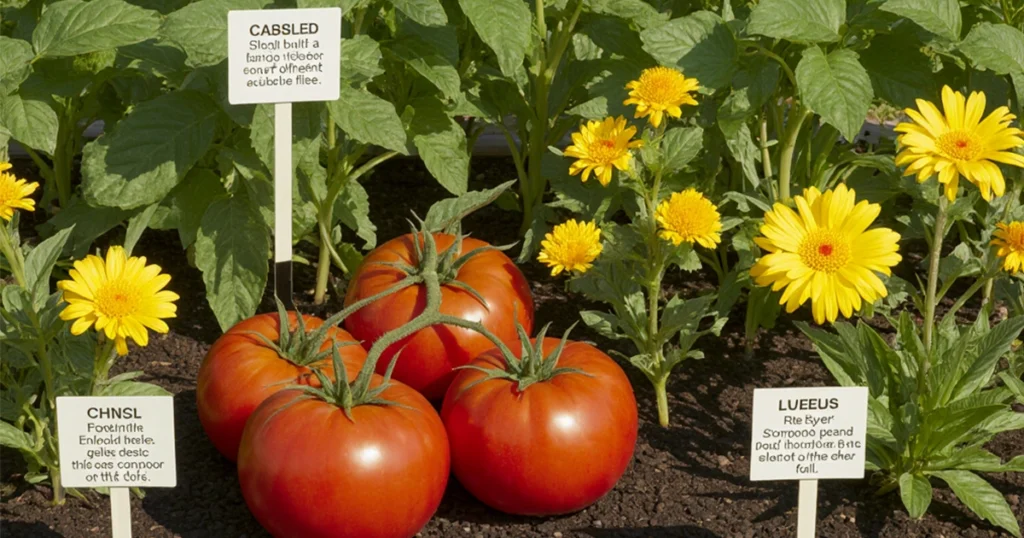
The 10 Best Tomato Companion Plants
Below are the companions that actually help your tomatoes—not those “my cousin tried it once” suggestions. These are all proven by gardeners and backed by real behavior seen in plants.
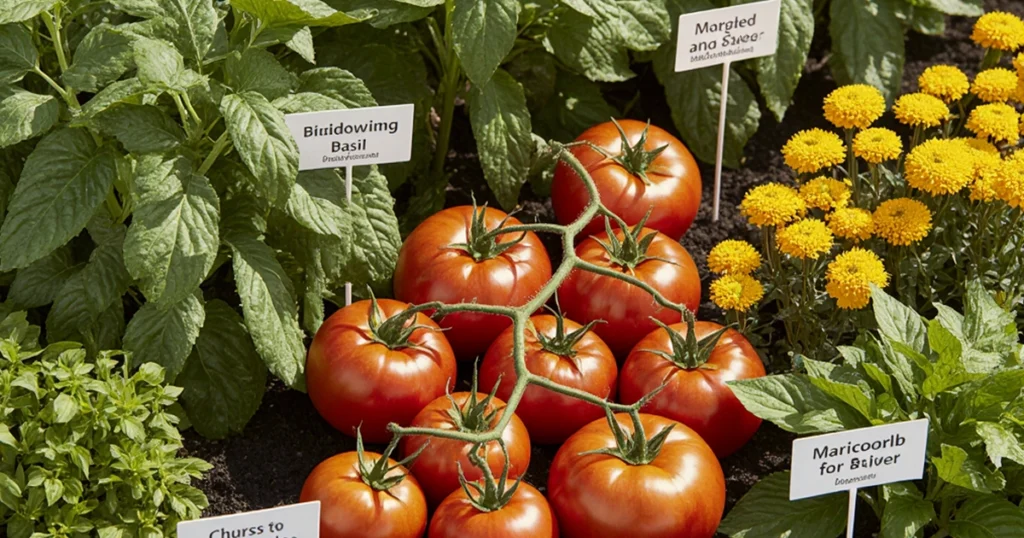
1. Basil
If tomatoes had a best friend, it would be basil. You’ve probably seen them paired in recipes, but they work together in the soil just as beautifully.
Why basil works:
- Sends away pests like thrips, flies, and tomato hornworms
- Helps tomatoes develop stronger flavor
- Attracts pollinators
Tip: Keep basil around 10–12 inches from tomato stems so both plants can breathe.
2. Marigolds
Marigolds are basically nature’s pest police. Their roots release compounds that repel nematodes—tiny soil pests that love attacking tomato roots.
Why marigolds are powerful:
- Repel aphids, whiteflies, and nematodes
- Add color while protecting your veggies
- Easy to grow in any climate
If you’re only choosing one flower companion, marigolds are the MVP.
3. Garlic
Garlic sits quietly in the soil, but it works nonstop to protect your tomatoes.
Garlic benefits:
- Repels spider mites
- Cuts down fungal problems
- Easy to plant between tomato rows
Plant single cloves around your tomatoes and let them grow undisturbed.
4. Carrots
Carrots help tomatoes by improving soil texture. Their long, slender roots break through compacted soil, letting tomato roots spread comfortably.
Why they work together:
- Better soil aeration
- Perfect for small gardens
- Both crops grow without fighting
You might get slightly thinner carrots, but your tomatoes won’t complain.
5. Lettuce
Lettuce loves the shade tomatoes create. Meanwhile, tomatoes love how lettuce keeps soil cool and moist.
What makes lettuce helpful:
- Acts like living mulch
- Prevents weeds
- Thrives under tomato foliage
A super low-effort pairing.
6. Onions
Onions keep pests away with their sharp scent. They’re compact and easy to tuck around tomato beds.
Benefits:
- Repel harmful insects
- Use very little space
- Low maintenance
Just make sure they get full sun.
7. Nasturtiums
If you want a decoy plant that pulls pests away from tomatoes, nasturtiums are elite.
Why nasturtiums rock:
- Attract aphids away from tomatoes
- Repel whiteflies
- Provide edible blooms
Scatter them along the edges of your garden for best results.
8. Parsley
Parsley doesn’t help tomatoes directly—it helps them by boosting the garden ecosystem.
How parsley helps:
- Attracts ladybugs and hoverflies
- Increases pollination
- Works well as an underplant
Letting parsley flower boosts its benefits even more.
9. Celery
Celery’s aroma is surprisingly good at deterring some pests. Plus, it enjoys the same cool, moist conditions tomatoes love.
Why celery works:
- Improves biodiversity
- Helps discourage some insects
- Fits between tomato plants easily
Plant celery early—it likes cooler weather.
10. Spinach
Spinach slides right into the tomato ecosystem, growing low and helping the soil stay hydrated.
What spinach provides:
- Helps retain moisture
- Uses minimal space
- Thrives in tomato shade
Great for gardeners aiming to use every inch of soil efficiently.
Plants You Should Avoid Around Tomatoes
Just like tomatoes have best friends, they also have frenemies. These plants will cause more problems than they solve.
1. Corn
Corn attracts tomato hornworms, one of the most destructive pests for tomatoes.
Why to avoid it:
- Shares pests
- Competes for nitrogen
- Takes too much sunlight
Corn and tomatoes are better grown far apart.
2. Potatoes
Potatoes share a genetic family with tomatoes, meaning they share the same diseases.
Problems potatoes bring:
- High risk of blight
- Spread soil-borne infections
- Compete for nutrients
This pairing is a disaster waiting to happen.
3. Fennel
Fennel produces chemicals that slow or completely stall tomato growth.
Why they don’t mix:
- Fennel inhibits root development
- Reduces tomato size and yield
- Attracts some pests tomatoes dislike
Keep fennel in its own garden bed.
4. Cabbage and Other Brassicas
Tomatoes and cabbage-family plants fight for space and nutrients, and cabbage pests often target tomatoes next.
Reasons to avoid:
- Compete heavily for nutrients
- Attract destructive worms
- Slow tomato growth
Not worth the headache.
5. Rosemary
Rosemary is wonderful—just not near tomatoes.
Why it’s incompatible:
- Needs dry soil, tomatoes don’t
- Can stunt nearby growth
- Blocks airflow
Keep rosemary in a separate herb corner.
Companion Planting Table for Tomatoes
Here’s a quick reference you can use while planning your garden.
| Plant | Benefits | How to Plant | Notes |
|---|---|---|---|
| Basil | Repels pests, improves flavor | 10–12 inches away | Avoid overwatering |
| Marigolds | Controls nematodes, whiteflies | Border the tomato bed | French marigolds preferred |
| Garlic | Repels mites, reduces fungus | Place cloves around stems | Works in any climate |
| Carrots | Aerates soil | Interplant in rows | Slight carrot size loss |
| Lettuce | Retains moisture | Under tomato canopy | Loves shade |
| Onions | Repels pests | Row or border | Needs sun |
| Nasturtiums | Trap crop for aphids | Edge planting | Edible flowers |
| Parsley | Attracts beneficial insects | Around plant base | Let it flower |
| Celery | Boosts diversity | Near tomato stems | Prefers cool temps |
| Spinach | Moisture control | Underplant | Choose bolt-resistant types |
How to Build the Perfect Tomato Companion Layout
Planting companions isn’t random. You want a layout that helps each plant do its job.
Sunlight and Spacing
- Tomatoes need 6–8 hours of direct sun
- Keep low growers (lettuce, spinach) close
- Give herbs and flowers breathing room
Spacing prevents disease and keeps air flowing around your tomato stems.
Soil and Watering
- Tomatoes like deep, consistent moisture
- Don’t overcrowd the root zone
- Add compost for balanced nutrients
- Rotate crops every year to reduce disease pressure
Mistakes You Don’t Want to Make
You’ll avoid most problems by skipping these common beginner errors:
- Planting companions too close
- Pairing tomatoes with potatoes or corn
- Ignoring fungal risks
- Forgetting to mulch
- Watering from above (leads to leaf disease)
You’ll get better results when you treat the whole bed as a mini-ecosystem—not just random plants thrown together.
Conclusion
When you choose the right tomato companion plants, you’re not just improving your garden—you’re building a system that supports itself. Your tomatoes grow stronger, your pests become fewer, and your soil stays healthier without constant fertilizers or chemicals.
Whether you’re growing a small backyard patch or a full garden bed, mixing these companion plants into your layout will give your tomatoes their best chance to shine. And once you see how much easier your gardening becomes, you’ll wonder how you ever went without this method.
If you’re ready to take your garden to the next level, start planning your companion layout today. Your future harvest will thank you.
FAQ About Tomato Companion Plants
What are the best tomato companion plants?
Basil, marigolds, garlic, lettuce, onions, and nasturtiums are among the best because they repel pests, boost growth, and support soil health.
What plants should you avoid near tomatoes?
Avoid corn, potatoes, fennel, cabbage-family vegetables, and rosemary. These plants can attract pests, spread disease, or stunt tomato growth.
Do tomato companion plants actually help?
Yes. When used correctly, they improve yield, protect from pests, regulate moisture, and enhance soil quality.
Can herbs grow next to tomatoes?
Many herbs pair well—especially basil, parsley, chives, and oregano. Just avoid rosemary due to its soil and moisture needs.
How much space should you leave between tomato companions?
Most companions should be spaced 8–12 inches away, depending on root size and growth patterns.