Curry Plant vs. Curry Tree: How to Distinguish and Grow the Right One
Imagine the heartbreak of waiting months for your garden to mature, only to realize the “curry” you’ve been nurturing is a bitter-smelling ornamental rather than the aromatic spice tree of your dreams. I’ve been there—standing in the garden center, confused by labels, wanting nothing more than that authentic, soul-warming scent of fresh curry leaves hitting hot oil. Choosing the right plant isn’t just about gardening; it’s about preserving those culinary memories and bringing the true essence of traditional cooking into your home. Let’s make sure you grow exactly what your heart (and kitchen) is longing for.
Table of Contents
I. Understanding the Confusion: Curry Plant vs. Curry Tree
When you walk into a nursery and ask for a “curry plant,” you might be led to two entirely different species. This is one of the most common pitfalls for home gardeners. While they share a common name, they belong to different botanical families, thrive in different climates, and serve completely different purposes in your home.
What is the Curry Plant (Helichrysum italicum)?
If you see a plant with striking, silver-grey foliage that looks remarkably like lavender or rosemary, you are likely looking at the curry plant. This is a hardy, woody shrub native to the Mediterranean. It is famous for its intense aroma—if you brush against its needle-like leaves, you will be hit with a scent that smells exactly like a jar of commercial curry powder. However, here is the catch: commercial curry powder is a blend of spices (like turmeric, cumin, and coriander), and this plant just happens to mimic that smell. In terms of flavor, the leaves are quite bitter. While you might see a sprig used as a garnish or tossed into a pot for a moment, it is primarily grown for its beautiful silver color and its essential oils, which are used in skincare and aromatherapy.
What is the Curry Tree (Murraya koenigii)?
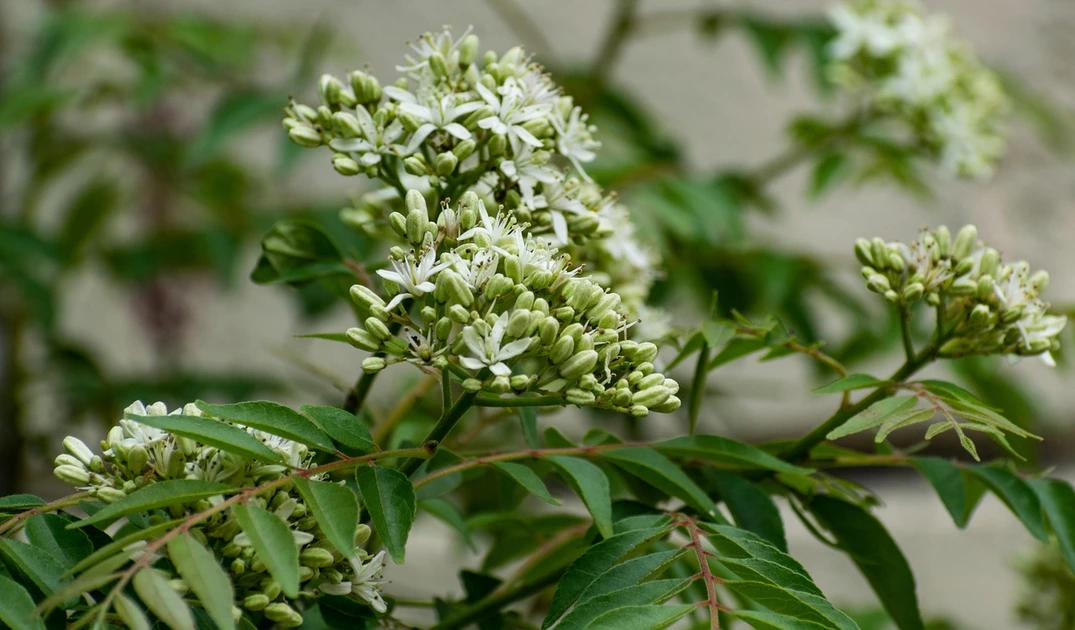
If your goal is to cook authentic South Asian dishes, this is the plant you need. Often referred to as “Curry Patta” or “Sweet Neem,” the curry tree is a tropical to sub-tropical tree from the Rutaceae family (the same family as citrus). The leaves are vibrant green, teardrop-shaped, and grow in pairs along a central stem. When you fry these leaves in a bit of ghee or oil, they release a nutty, herbal, and citrusy aroma that defines the flavor profile of thousands of traditional recipes. Unlike its Mediterranean namesake, this is a true tree that can reach significant heights if planted in the ground in the right climate.
II. Planting Requirements: Setting the Foundation
Success in your garden starts with recognizing that these two plants have nearly opposite needs. If you treat your tropical curry tree like a desert-dwelling Mediterranean herb, it will struggle to survive. Conversely, overwatering the silver herb will lead to root rot faster than you can say “harvest.”
Optimal Planting Conditions
To ensure high yields and healthy growth, you must tailor your approach. Use the following table as your master guide for the “ingredients” needed for a successful planting:
| Component | Curry Plant (Herb – H. italicum) | Curry Tree (Tree – M. koenigii) |
| Soil Type | Sandy, rocky, well-draining, “poor” soil | Rich, loamy, organic-heavy, slightly acidic |
| Sunlight | Full Sun (at least 6-8 hours) | Full Sun to Partial Shade (loves heat) |
| Watering | Drought-tolerant; let soil dry completely | Regular watering; likes consistent moisture |
| Fertilizer | Minimal; maybe a light compost in spring | High nitrogen; benefits from regular feeding |
| Potting Mix | Cactus or succulent mix with extra perlite | High-quality potting soil with added compost |
| Hardiness | Cold-hardy (Zones 8–11) | Frost-sensitive (Zones 9–12) |
III. How to Improve Growth and Increase Yields Naturally
If you have secured the curry tree for your kitchen, your primary goal is to produce as many lush, green leaves as possible. You don’t want a tall, spindly stick with three leaves at the top; you want a bushy, productive powerhouse.
Pruning for Maximum Bushiness
Many gardeners are afraid to cut their plants, but with the curry tree, pruning is your best friend.
- The First Pinch: When your young plant reaches about 10 to 12 inches in height, pinch off the very top growing tip.
- Redistributing Energy: This simple act interrupts the plant’s “apical dominance.” Instead of sending all its energy upward, the plant redirects hormones called auxins to the side buds.
- The Result: Within weeks, you will see two or three new branches sprouting from the sides, doubling your leaf production.
Natural Growth Boosters from Your Kitchen
You don’t need expensive chemicals to make your plant thrive. In fact, some of the best fertilizers are things you likely throw away.
- The Rice Water Secret: Next time you wash rice for dinner, don’t pour the cloudy water down the drain. This water contains trace minerals and starches that feed the beneficial bacteria in the soil. Use it to water your curry tree once a week.
- Sour Curd and Buttermilk: The curry tree loves slightly acidic soil. Take a tablespoon of sour yogurt or curd, mix it into a liter of water, and use it as a soil drench. This provides a gentle dose of nitrogen and maintains the pH levels the plant craves.
- Eggshell Powder: For a slow-release calcium boost, dry out your eggshells, grind them into a fine powder, and sprinkle them around the base of the plant.
The Golden Rule of Harvesting
Never pluck individual leaflets. If you just pull off one small leaf, you leave a bare stem behind that eventually withers. Instead, harvest the entire stalk (the branchlet). By cutting the stalk back to the main branch, you signal the plant to grow a new, vigorous replacement in its place.
IV. Natural Pest Control and Deterrence
A healthy garden is a balanced ecosystem. Because you are likely growing these leaves to eat, you want to avoid harsh chemical pesticides. The curry tree is part of the citrus family, which means it attracts similar “guests.”
Identifying Common Pests
- Scale Insects: These look like small, brown, waxy bumps on the stems or the undersides of leaves. They suck the sap and weaken the tree.
- Aphids and Mealybugs: These tiny pests often cluster on new, tender growth, causing the leaves to curl and turn yellow.
- Citrus Psyllids: These are small jumping insects that can potentially carry diseases.
Organic Solutions for Healthy Foliage
- The Neem Oil Routine: Neem oil is a gift for the organic gardener. It disrupts the life cycle of pests without harming beneficial pollinators. Mix one teaspoon of pure neem oil with a few drops of dish soap in a liter of water. Spray your plant thoroughly—especially the undersides of leaves—every two weeks.
- Manual Removal: For small infestations of scale, you can simply wipe them off with a cotton swab dipped in rubbing alcohol.
- Encourage Beneficial Insects: Plant flowers like Dill or Fennel nearby. These attract ladybugs and lacewings, which are natural predators of aphids and scale.
V. Step-by-Step Planting Guide
Whether you are starting with a small sapling from a nursery or trying your hand at growing from seed, the process requires patience.
Starting from Seed
If you are using seeds from a curry tree, they must be fresh. Dried seeds bought online rarely germinate.
- De-pulping: Remove the dark purple flesh from the seed. This flesh contains growth inhibitors that prevent the seed from sprouting while inside the fruit.
- Sowing: Place the seed about half an inch deep in a seed-starting mix.
- Heat is Key: These seeds need a soil temperature of at least 70°F (21°C) to sprout. Using a heat mat can drastically improve your success rate.
Potting Your Sapling
- Drainage: Choose a pot with multiple drainage holes. Use a layer of gravel or broken pottery at the bottom to ensure water doesn’t pool.
- Soil Mix: Combine 60% potting soil, 20% compost, and 20% perlite or coarse sand.
- Positioning: Place the plant where it gets morning sun. If you live in an extremely hot climate (above 100°F), give the plant some afternoon shade to prevent leaf scorch.
- Acclimatization: If you just bought your plant from a greenhouse, don’t put it in direct midday sun immediately. Give it an hour of sun on day one, two hours on day two, and gradually build up its strength.
VI. Frequently Asked Questions (FAQ)
Can I eat the leaves of a Mediterranean curry plant?
Technically, they are non-toxic, but they are not pleasant to eat. They are very bitter and have a tough, resinous texture. If you want the flavor found in Indian madras or Sri Lankan curries, you must use the leaves of the curry tree (Murraya koenigii).
Why are the leaves on my curry tree turning yellow and falling off?
This is almost always a sign of “wet feet.” The curry tree likes moisture, but it hates sitting in stagnant water. Ensure your pot is draining well and only water when the top inch of soil feels dry to the touch. Yellowing can also be a sign of iron deficiency; if the veins stay green but the leaf turns yellow, try adding a chelated iron supplement.
Can a curry plant survive a freezing winter?
The silver-leaved curry plant (Helichrysum) is quite hardy and can survive light frosts. However, the curry tree is a tropical plant. If temperatures drop below 40°F (4°C), the leaves will turn black and fall off. If you live in a cold climate, you must grow your curry tree in a container and bring it indoors during the winter.
How do I get my curry tree to grow faster?
Consistency is the secret. Stick to a regular watering schedule, provide plenty of sunlight, and feed it with high-nitrogen organic fertilizers (like compost tea or diluted fish emulsion) during the spring and summer growing months.
Conclusion
Distinguishing between a curry plant and a curry tree is the first step toward a successful garden and a fragrant kitchen. While the silver-leaved herb adds shimmering beauty and a unique scent to your landscape, the tropical tree provides the soul-stirring flavor essential for authentic dishes. By providing the right soil environment—dry and sandy for the herb, rich and moist for the tree—you set yourself up for success. Remember to prune your curry tree early to encourage a bushy shape and use natural kitchen boosters like rice water to keep it thriving. Whether you are gardening for aesthetics or for the plate, growing the “right” curry will bring a sense of accomplishment and a wonderful aroma to your home for years to come.