From Garden to Spice Rack: The Complete Guide to Dhania Coriander Leaves and Seeds
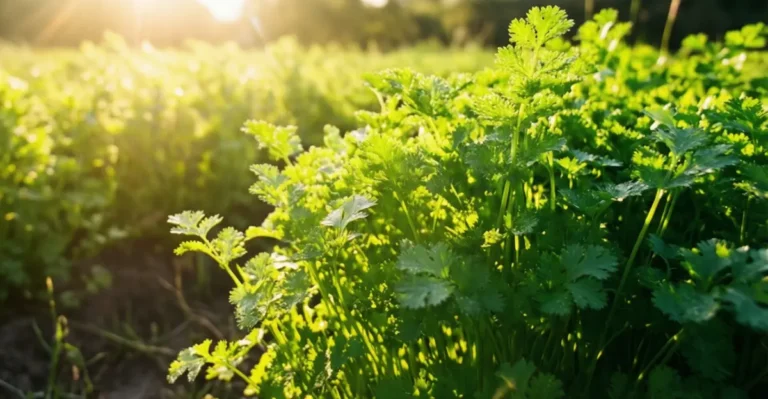
Picture this: You’re standing in your grandmother’s garden on a warm spring morning. The air carries that distinctive scent—sharp, citrusy, almost electric. You reach down and pinch a bright green leaf between your fingers, and suddenly you’re transported. That’s the magic of fresh dhania coriander, a herb that evokes strong reactions wherever it grows.
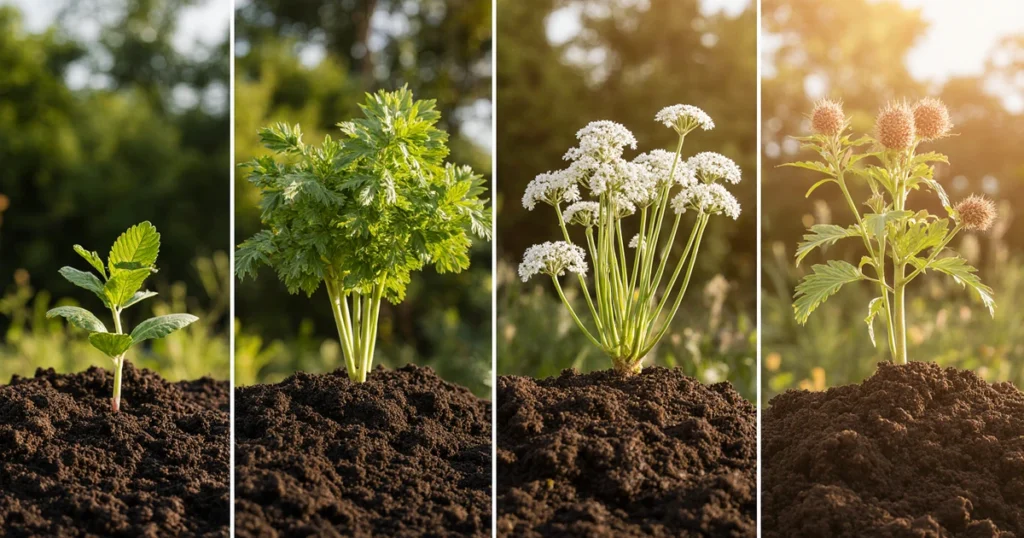
Fast forward a few months. Those same plants have transformed. Gone are the delicate leaves. Now, tall stalks crowned with lacy white flowers sway in the breeze. Soon, those flowers will produce something entirely different: small, round seeds with a warm, nutty fragrance that bears almost no resemblance to the leaves that came before.
This transformation puzzles many home gardeners and cooks. You might wonder: Are these really the same plant? Why do they taste so different? Can you grow both at once? Today, you’ll discover everything you need to know about dhania coriander in both its forms, knowledge that will revolutionize how you grow, cook, and appreciate this remarkable herb.
Table of Contents
Understanding Dhania Coriander: One Plant, Two Distinct Forms
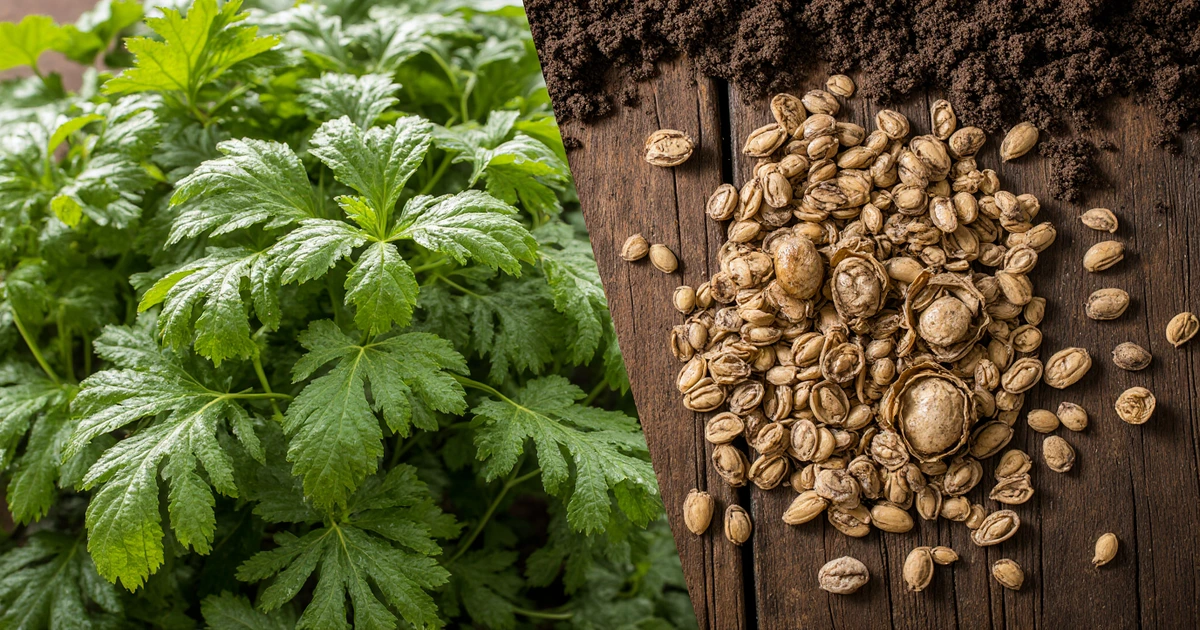
Here’s something that surprises most people: when you sprinkle those warm coriander seeds into your curry and garnish it with fresh cilantro leaves, you’re using two parts of the exact same plant. Coriandrum sativum gives you both, but at vastly different stages of its lifecycle.
This member of the Apiaceae family (which also includes carrots, parsley, and celery) has been cultivating culinary devotion for over 8,000 years. Archaeological evidence places it in ancient Mediterranean and Middle Eastern kitchens, where cooks recognized its dual nature long before modern botany could explain why.
The confusion starts with naming. In the United States, you’ll hear “cilantro” for the fresh leaves and “coriander” for the seeds. Travel to the UK or India, and everything becomes “coriander”—you’ll just specify whether you mean the leaves (coriander leaves) or seeds (coriander seeds). Understanding this linguistic split saves considerable confusion when you’re reading international recipes or shopping at diverse markets.
Fresh Dhania Coriander Leaves: Your Bright, Polarizing Green Companion
What Makes Fresh Leaves So Special?
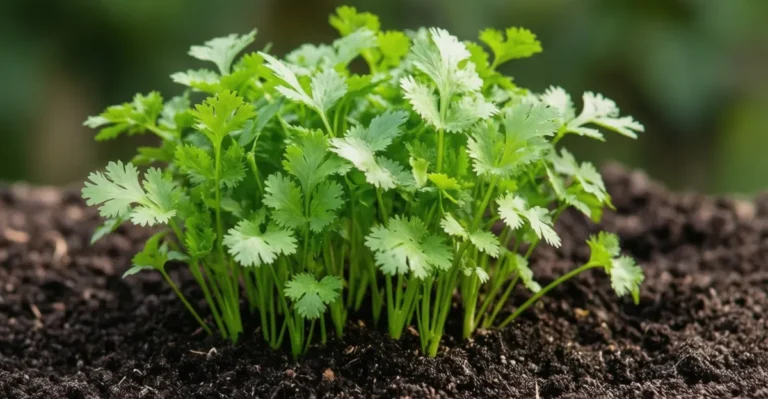
Those delicate, flat, serrated leaves pack a flavor punch that divides humanity into passionate camps. Some of you experience an explosion of bright, citrusy freshness with subtle peppery undertones. Others? You taste soap. Literally.
This isn’t about refined palates or acquired tastes. Your genetics determine your experience. If you carry a specific variation of the OR6A2 gene, the aldehyde compounds in fresh coriander leaves trigger your brain’s soap receptors. Roughly 4-14% of people worldwide share this genetic quirk, making family dinners interesting when cilantro appears on the table.
The leaves themselves are tender and easily bruised, which tells you something important about handling them. That soft texture means they wilt quickly, lose potency when cooked too long, and demand gentle treatment from garden to garnish.
Nutritional Power in Green Leaves
Don’t let their delicate nature fool you. Fresh dhania leaves deliver serious nutritional benefits. A 100-gram serving provides 258% of your daily vitamin K needs—essential for blood clotting and bone health. You’ll also get 135% of your vitamin A requirement, supporting vision and immune function.
The vitamin C content reaches 45% of daily needs, while folate, potassium, and manganese round out the mineral profile. At just 23 calories per 100 grams, you’re essentially getting a nutritional jackpot for almost zero caloric cost.
Beyond basic vitamins and minerals, fresh leaves contain powerful antioxidants like quercetin and tocopherols. These compounds fight cellular damage and may contribute to reduced inflammation throughout your body.
Growing Fresh Leaves Successfully
Your success with growing dhania for leaves hinges on understanding one crucial fact: this plant wants to make seeds. Your job involves convincing it otherwise, at least temporarily.
Temperature proves critical. Keep your coriander between 50-85°F, with the cooler end of that range preferred. Once temperatures consistently exceed 85°F, your plant receives nature’s signal to bolt—sending up a flowering stalk that ends leaf production. This explains why spring and fall plantings outperform summer attempts in most climates.
Choose your location wisely. While coriander tolerates full sun in cooler weather, providing afternoon shade in warmer months extends your harvest window. The plant needs at least 4-6 hours of sunlight daily, but excessive heat combined with full sun accelerates bolting.
Soil matters more than you think. Aim for a slightly acidic to neutral pH between 6.2-6.8. The soil should drain well while retaining moisture—loamy soil rich in organic matter hits this sweet spot perfectly. Heavy clay traps too much water, while pure sand dries out too quickly.
Water consistently. Irregular watering stresses your plant and triggers early bolting. Provide about one inch of water weekly, adjusting for rainfall and temperature. Morning watering prevents fungal issues while ensuring the plant has moisture reserves for hot afternoons.
Space plants properly. Give each plant 6-8 inches of breathing room. Crowding increases humidity around leaves, inviting fungal diseases while competing for nutrients. If growing in containers, choose pots at least 8-10 inches deep to accommodate the taproot.
Start harvesting once plants reach 6 inches tall. Cut outer leaves first, allowing the center to continue producing. Regular harvesting actually delays bolting by removing the energy the plant would otherwise direct toward flowering. Never strip more than one-third of the plant at once—you need those remaining leaves to fuel continued growth.
Preserving Your Fresh Harvest
You’ve grown beautiful dhania leaves. Now what? Fresh coriander doesn’t store as reliably as hardy herbs like rosemary or thyme, but several methods extend its usefulness.
For immediate use within 3-5 days, treat it like cut flowers. Trim the stems, place in a glass of water, drape a loose plastic bag over the top, and keep on your counter away from direct sunlight. Change the water daily to prevent bacterial growth.
Refrigeration extends storage to 1-2 weeks. Wrap your coriander in damp paper towels, then seal inside a plastic bag or container. The moisture prevents wilting while the sealed environment limits oxygen exposure that degrades flavor.
Freezing works surprisingly well for cooked applications. You won’t get that crisp garnish texture, but the flavor survives. Wash and thoroughly dry your leaves, then freeze them whole in bags, pressing out excess air. For more convenient portions, chop the leaves and pack them into ice cube trays with a bit of water or neutral oil. Pop out frozen cubes as needed for soups, stews, and curries.
Here’s what doesn’t work: drying. Unlike oregano or thyme, dried coriander leaves lose most of their characteristic flavor and aroma. That bright, citrusy quality simply evaporates during the drying process. If you find “dried cilantro” at the store, leave it there.
Dried Coriander Seeds: The Warm Transformation
A Complete Flavor Departure
If someone served you fresh dhania leaves and coriander seeds without context, you’d never guess they came from the same plant. Where leaves deliver bright citrus and sharp herbaceousness, seeds offer warmth, nuttiness, and gentle sweetness with subtle lemon undertones.
This dramatic difference stems from completely distinct chemical compositions. The aldehydes that dominate fresh leaves largely disappear by the time seeds mature. Instead, you get linalool and other compounds that create that characteristic warm, spicy-sweet flavor profile.
The seeds themselves are small spheres, typically 3-5mm in diameter, with distinctive ridges running along their surface. Fresh from the plant, they’re green. As they dry, they transform to a light brown or golden tan color. Properly dried seeds feel hard when you bite them and release their aroma when crushed.
Nutritional Profile Shifts Dramatically
While fresh leaves excel at delivering vitamins, dried seeds concentrate minerals and fiber. A 100-gram serving of coriander seeds provides a remarkable 168% of daily fiber needs—though admittedly, you won’t eat 100 grams at once.
The iron content reaches 91% of daily requirements, while magnesium hits 83%. These minerals support energy production, bone health, and hundreds of enzymatic processes throughout your body. Manganese, calcium, and phosphorus round out an impressive mineral profile.
Traditional medicine systems recognized coriander seeds’ digestive benefits long before science could explain them. Modern research suggests the seeds stimulate digestive enzyme production, potentially easing bloating and gas. Some studies indicate possible benefits for blood sugar management and cholesterol levels, though you should consult healthcare providers for medical concerns.
Growing Plants for Seed Production
Growing dhania for seeds requires flipping your cultivation strategy. Everything that prevented bolting when you wanted leaves now becomes your goal.
Embrace the heat. Plant your seed crop in late spring or early summer when temperatures consistently reach 75-85°F. This warmth signals the plant that conditions favor reproduction.
Provide full sun. Seeds need maximum photosynthesis to develop properly. Choose your sunniest garden spot with at least 8 hours of direct light daily.
Space generously. Give seed-production plants 12 inches between them. They’ll grow taller and bushier than leaf-harvested plants, developing extensive flowering stalks that need room to develop without interference.
Adjust watering as plants mature. While young plants need consistent moisture, reduce watering once flowering begins. Too much water during seed development can cause rot. Let soil dry slightly between waterings once you see seed heads forming.
The timeline extends considerably compared to leaf harvests. Plan on 90-120 days from seed to seed—a full growing season investment. You’ll watch your plants progress through distinct stages: initial leaf production (weeks 1-4), bolting (weeks 5-8), flowering with delicate white or pink blossoms (weeks 8-10), and finally seed development and maturation (weeks 10-16+).
Harvest timing determines seed quality. Watch for seeds to transition from green to brown, indicating maturity. When about half the seeds on a plant have turned brown, cut the entire seed head. Hang these upside down inside paper bags in a warm, dry location with good air circulation. Over the next 7-14 days, seeds will complete their drying process and naturally fall into the bag.
Once fully dry, separate seeds from chaff by gently shaking or rubbing the seed heads. Store your harvest in airtight containers away from light and heat. Properly dried coriander seeds maintain their potency for 3-4 years—a remarkable shelf life that makes a single season’s harvest last for years of cooking.
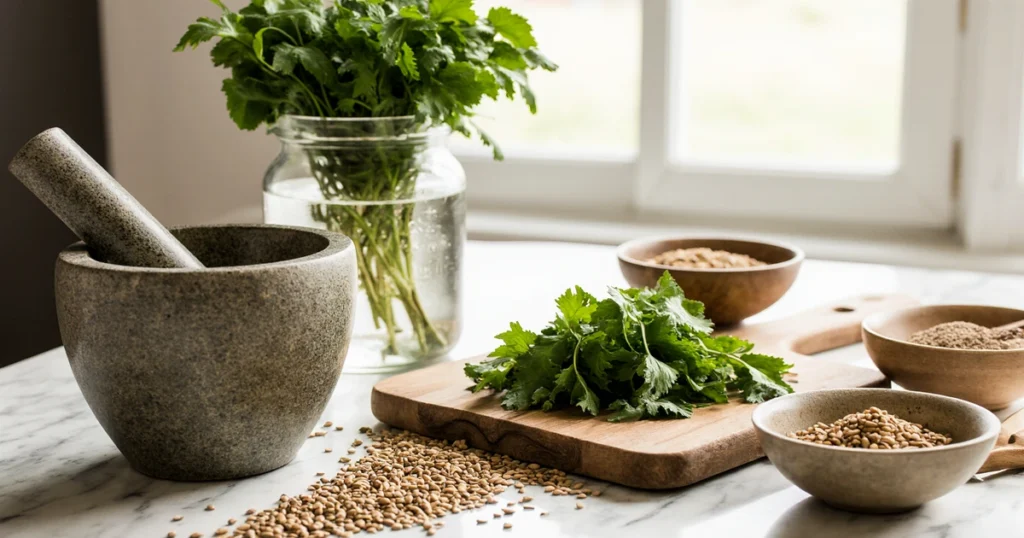
Maximizing Seed Flavor in Your Kitchen
Whole seeds offer superior longevity and flavor compared to pre-ground powder. That convenient jar of ground coriander in your spice cabinet loses potency within 6-12 months, while whole seeds stay vibrant for years.
Toast your seeds before using them for a flavor revelation. Heat a dry skillet over medium heat, add whole seeds, and shake the pan frequently for 2-3 minutes. You’ll smell the transformation—the aroma becomes richer, nuttier, more complex. Immediately remove seeds from the hot pan to prevent burning, then grind fresh.
For grinding, a dedicated spice grinder or coffee grinder works perfectly. A mortar and pestle takes more effort but gives you complete control over texture while preserving volatile aromatic oils. Grind only what you need for immediate use—the moment you crack those seeds open, flavor compounds begin degrading.
Whole seeds work beautifully in long-simmered dishes, pickling brines, and anywhere you want gradual flavor release. Ground powder delivers immediate impact, making it ideal for spice rubs, quick-cooking dishes, and situations where you want instant flavor distribution.
Bringing It All Together: Your Dhania Coriander Strategy
Understanding the difference between fresh dhania leaves and coriander seeds transforms you from a passive consumer into an informed cultivator and cook. You now recognize that these aren’t competing products but complementary phases of a single plant’s remarkable lifecycle.
Your garden strategy should accommodate both forms. Dedicate about 70% of your coriander plantings to leaf production through succession planting—sowing new seeds every 2-3 weeks from early spring through fall. This ensures continuous fresh leaves for your kitchen.
Reserve the remaining 30% of your planting space for seed production. Choose your strongest, healthiest plants and let them complete their lifecycle. Mark these plants early so you don’t accidentally harvest leaves from them.
In your kitchen, appreciate each form for its unique contributions. Fresh leaves belong on top of dishes—bright garnishes that add final flourishes to tacos, curries, soups, and salads. The seeds work behind the scenes, building flavor foundations in slow-cooked dishes, spice blends, and anywhere warmth and depth matter more than fresh brightness.
You’ll find that growing your own coriander—experiencing both the leaf and seed stages—creates a deeper connection to your cooking. There’s something satisfying about grinding seeds you grew yourself, knowing they came from the same plants that provided fresh garnishes months earlier.
Ready to start your dhania coriander journey? Pick up seeds this week. In less than a month, you’ll harvest your first fresh leaves. By summer’s end, those same plants will gift you golden seeds that last for years. Your kitchen—and your meals—will never be the same.