How Do I Grow Ginger Plants? 5 Insanely Easy Steps for Success
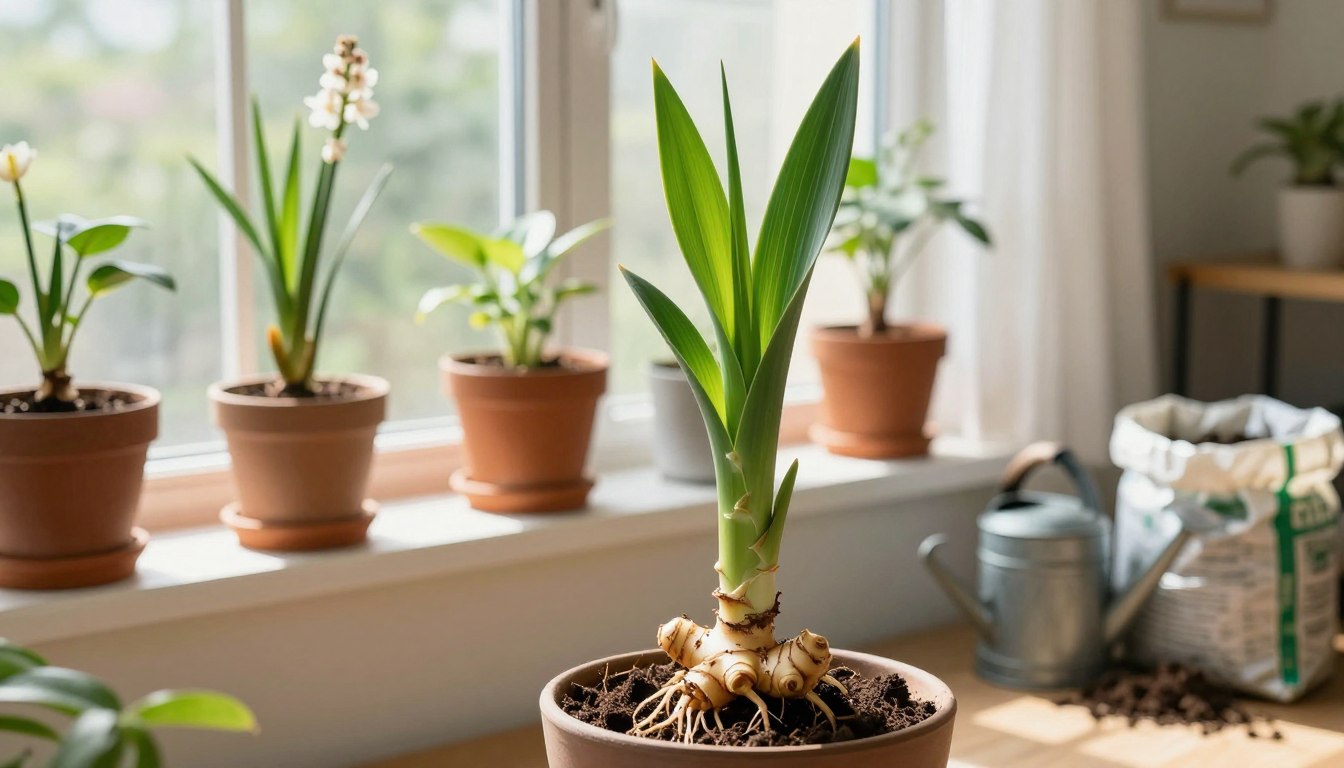
Growing ginger plants indoors can be a rewarding experience, allowing you to enjoy this versatile root year-round. With the right conditions and care, you can successfully cultivate ginger in the comfort of your own home.
Tips for growing ginger indoors include providing the right environment and understanding the specific needs of the plant. Ginger requires a warm, humid climate and well-draining soil to thrive.
By following a few simple steps, you can enjoy a bountiful harvest of fresh ginger. This article will guide you through the process, from selecting the right ginger variety to caring for your plants and harvesting your crop.
Table of Contents
The Benefits of Growing Ginger Plants Indoors
One of the most rewarding aspects of growing ginger plants indoors is the access to fresh ginger for various uses. This practice not only provides you with a constant supply of this versatile root but also enhances your indoor space with lush greenery.
Ginger is a highly valued ingredient in many cuisines, particularly in Asian cooking. By having ginger plants indoors, you can harvest fresh ginger roots as needed, ensuring that you always have this essential ingredient on hand.
Culinary and Medicinal Uses of Fresh Ginger
Fresh ginger is a staple in many kitchens due to its culinary and medicinal properties. It adds flavor to a variety of dishes, from stir-fries and curries to baked goods and beverages. Medicinally, ginger is known for its anti-inflammatory properties and is often used to aid digestion and relieve nausea.
“Ginger has been used for centuries in traditional medicine for its healing properties, and having a fresh supply indoors can be very beneficial.”
Year-Round Harvesting Potential
Growing ginger indoors allows for year-round harvesting, regardless of the outdoor climate or season. This is particularly advantageous in regions with cold winters or short growing seasons. By controlling the indoor environment, you can ensure optimal growing conditions for your ginger plants.
| Benefits | Description |
| Culinary Uses | Fresh ginger adds flavor to various dishes and beverages. |
| Medicinal Uses | Ginger aids digestion and relieves nausea with its anti-inflammatory properties. |
| Year-Round Harvest | Indoor cultivation allows for harvesting ginger regardless of the season. |
Selecting the Right Ginger Rhizomes for Indoor Growing
The journey to growing ginger indoors begins with selecting high-quality ginger rhizomes. The quality of the rhizome directly impacts the health and productivity of your ginger plant.
Organic vs. Conventional Ginger Sources
When it comes to sourcing ginger rhizomes, you have the option of choosing between organic and conventional sources. Organic ginger rhizomes are preferred for indoor growing because they are less likely to be treated with chemicals that can inhibit sprouting. Conventional ginger, on the other hand, may have been treated with growth regulators to extend shelf life. If you’re looking for a more natural and sustainable approach, opting for organic ginger is advisable.
| Characteristics | Organic Ginger | Conventional Ginger |
| Chemical Treatment | Less likely to be chemically treated | May be treated with growth regulators |
| Sprouting Rate | Higher sprouting rate | Variable sprouting rate |
| Sustainability | More sustainable and environmentally friendly | Conventional farming practices |
Identifying Healthy Rhizomes with Growth Buds
To ensure successful indoor cultivation, it’s crucial to identify healthy ginger rhizomes with visible growth buds, also known as “eyes.” These buds are similar to the eyes on a potato and are indicative of the rhizome’s ability to sprout. When selecting rhizomes, look for those that are firm, with smooth skin and at least one or two visible buds. Avoid rhizomes that are wrinkled, soft, or moldy, as these are signs of age or decay.
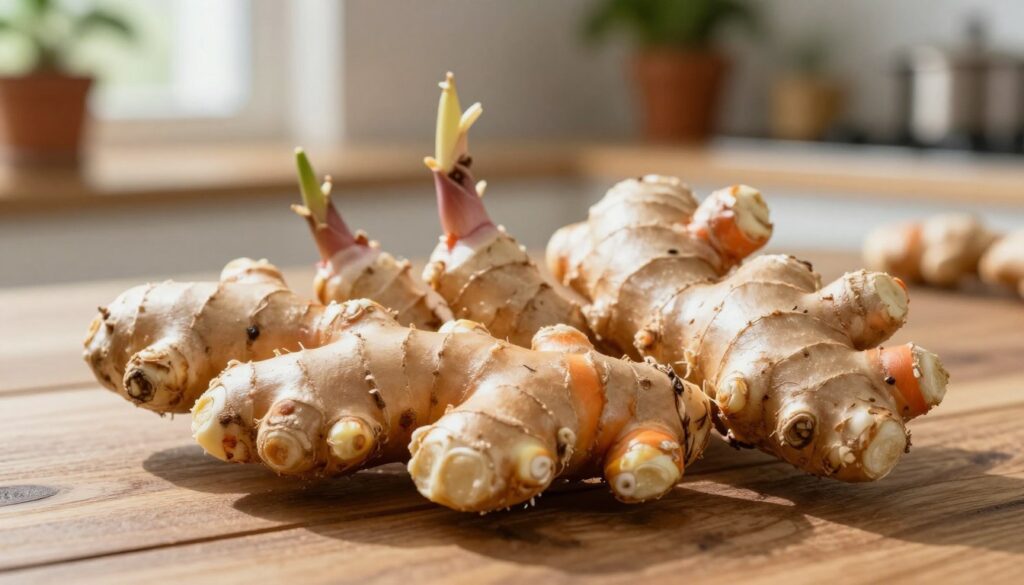
By carefully selecting the right ginger rhizomes, you set the stage for a successful and rewarding indoor ginger growing experience. Remember, the key to a thriving ginger plant lies in the quality of the rhizome you start with.
Essential Supplies for Indoor Ginger Cultivation
Before you begin growing ginger indoors, it’s vital to have the right supplies. To ensure a successful harvest, you’ll need to select the appropriate containers, soil mix, and additional equipment.
Container Selection and Size Requirements
Choosing the right container is crucial for ginger cultivation. Opt for a container that is at least 12 inches deep to accommodate the ginger rhizomes’ growth. A wider container can also support more extensive root development. Ensure the container has drainage holes to prevent waterlogged soil, which can lead to root rot.
Soil Mix Recommendations for Ginger
Ginger thrives in well-draining, rich soil. A mix of compost, peat moss, and perlite can provide the necessary nutrients and drainage. Avoid using regular potting soil, as it may be too dense for ginger roots. “A well-draining potting mix is essential for healthy ginger plants,” according to gardening experts.
Additional Equipment Needed
In addition to the right container and soil mix, you’ll need a few more items to successfully grow ginger indoors. These include a watering can or gentle hose for watering, a spray bottle for maintaining humidity, and a fertilizer specifically formulated for indoor plants. Keep your ginger plants in a warm, humid environment to promote healthy growth.
By gathering these essential supplies, you’ll be well-prepared to start your indoor ginger cultivation journey. With the right materials and a bit of care, you can enjoy a bountiful harvest of fresh ginger.
How Do I Grow Ginger Plants Successfully Indoors: Step-by-Step Guide
The journey to growing ginger plants indoors involves several key steps that ensure success. To achieve a bountiful harvest, you must carefully prepare the ginger rhizomes, plant them correctly, and provide the right initial care.
Preparing Ginger Rhizomes for Planting
To start, you’ll need to select healthy ginger rhizomes with visible growth buds. Soak the rhizomes in water overnight to stimulate growth and help prevent potential fungal infections. This step is crucial for encouraging the rhizomes to sprout.
After soaking, let the rhizomes dry for a few hours to form a callus over any cut surfaces. This helps prevent rot when planted. Your rhizomes are now ready for the next step.
Planting Technique and Depth
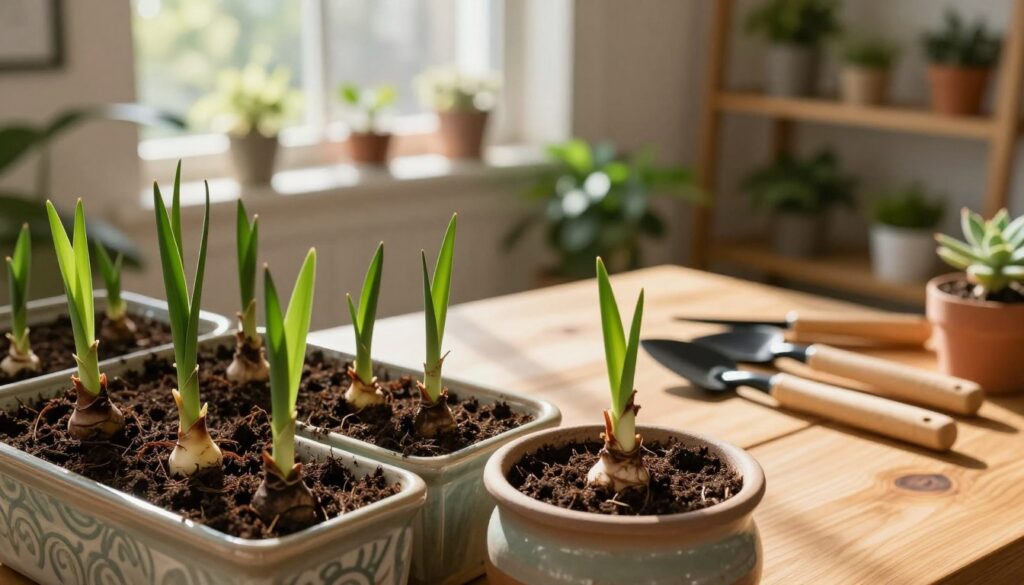
Fill a container with a well-draining soil mix, leaving enough space for the rhizome. Plant the ginger rhizome with the buds facing upwards, about 2-3 inches deep. Cover the rhizome with soil and gently firm the soil to secure it in place.
Ensure the container has drainage holes to prevent waterlogged soil. The right planting technique is vital for the ginger plant’s development.
Initial Care After Planting
After planting, water the soil gently but thoroughly. Keep the soil consistently moist but not waterlogged. Place the container in a warm, humid location with indirect light. Maintaining the right conditions will help your ginger plant thrive.
Monitor the soil moisture and adjust your watering schedule as needed. With proper care, your ginger plant should begin to sprout within a few weeks.
Optimal Growing Conditions for Indoor Ginger
To grow ginger plants indoors successfully, it’s crucial to replicate their natural habitat as closely as possible. This involves providing the right light, maintaining optimal temperature and humidity levels, and ensuring adequate air circulation.
Light Requirements and Placement
Ginger plants prefer bright, indirect light. Direct sunlight can cause the leaves to become scorched, so it’s best to place your ginger plant near an east- or west-facing window. If you’re using grow lights, keep them at least 12 inches away from the plant to avoid overheating.
You can also use sheer curtains to filter the sunlight, ensuring your ginger plant receives the right amount of light without getting damaged.
Temperature and Humidity Needs
Ginger plants thrive in warm, humid environments. The ideal temperature range is between 65°F to 85°F (18°C to 30°C). To maintain humidity, you can place the pot on a tray filled with water and pebbles or use a humidifier nearby.
Avoid placing your ginger plant near heating or cooling vents, fireplaces, or drafty windows, as sudden temperature changes can stress the plant.
| Condition | Ideal Range |
| Temperature | 65°F – 85°F (18°C – 30°C) |
| Humidity | 60% – 80% |
Air Circulation Considerations
Good air circulation is vital for healthy ginger plant growth. It helps prevent fungal diseases that thrive in stagnant air. Ensure there’s enough space between plants, and consider using a fan on a low setting to gently circulate the air around your ginger plant.
Regularly inspect your plants for signs of poor air circulation, such as yellowing leaves or mold growth, and adjust their placement accordingly.
Watering and Fertilizing Your Indoor Ginger Plants
To keep your ginger plants thriving indoors, it’s essential to understand the right watering and fertilizing techniques. Proper care in these areas will promote healthy growth and maximize your yield.
Watering Schedule and Techniques
Watering is a critical aspect of ginger plant care. Ginger plants prefer moist soil but can’t tolerate waterlogging. Check the soil moisture by inserting your finger into the soil up to the first knuckle; if the soil feels dry, it’s time to water.
Water your ginger plants thoroughly, allowing excess water to drain out of the container’s bottom holes. This helps prevent root rot. During the growing season (spring and summer), you may need to water more frequently, potentially every other day, depending on the humidity and temperature of your indoor environment.
Fertilizer Types and Application Frequency
Fertilizing your ginger plants provides them with the necessary nutrients for robust growth and optimal health. Use a balanced, water-soluble fertilizer (20-20-20) during the growing season. You can also consider using organic fertilizers like compost tea or fish emulsion for a more natural approach.
Apply fertilizer once a month, diluting it to half the recommended strength to avoid burning the roots. For tips on growing ginger successfully, remember that consistent fertilization promotes healthy foliage and rhizome development.
By following these tips for growing ginger, you’ll be well on your way to enjoying a bountiful harvest of fresh ginger from your indoor plants.
Troubleshooting Common Indoor Ginger Growing Problems
As you grow ginger indoors, you may encounter some common problems that can be easily resolved with the right troubleshooting techniques. Understanding these issues and their solutions is crucial for maintaining healthy and thriving ginger plants.
Yellowing Leaves and Root Issues
Yellowing leaves on your ginger plant can indicate overwatering, which may lead to root rot. Check the soil moisture by inserting your finger into the soil up to the first knuckle. If the soil feels wet, wait a few days before watering again. Ensure your container has good drainage holes to prevent waterlogged soil.
Slow Growth and Development
Slow growth in ginger plants can be due to inadequate light, insufficient nutrients, or improper temperatures. Make sure your ginger plant is receiving sufficient light, ideally bright, indirect light. Fertilize your ginger plant regularly with a balanced fertilizer to provide essential nutrients. Keep the temperature between 75°F to 85°F (24°C to 29°C) for optimal growth.
Pest and Disease Management
Pests like spider mites, mealybugs, and scale can infest ginger plants. Inspect your plants regularly and treat any infestations promptly with insecticidal soap or neem oil. Fungal diseases can be prevented by maintaining good air circulation and avoiding overwatering. Remove any infected leaves or stems to prevent the spread of disease.
By addressing these common issues, you can keep your indoor ginger plants healthy and thriving. Regular monitoring and proper care will help prevent many of the problems associated with growing ginger indoors.
Harvesting and Replanting Your Indoor Ginger
After months of careful nurturing, your indoor ginger plants are ready to harvest. This moment marks the culmination of your efforts in growing ginger indoors. Harvesting ginger at the right time ensures you get the best flavor and texture.
When and How to Harvest Ginger Rhizomes
You’ll know it’s time to harvest when the leaves start to yellow and die back, typically after 6-8 months of growth. Carefully dig around the plant with a fork to avoid damaging the rhizomes. Gently lift the rhizomes out of the soil, taking care not to break them. Harvesting ginger is a delicate process, but with the right technique, you can enjoy a bountiful harvest.
Storing Fresh Ginger After Harvest
After harvesting, you can store fresh ginger in the refrigerator for several weeks. Wrap it tightly in plastic wrap or aluminum foil to maintain freshness. For longer storage, you can freeze ginger. Simply peel and chop it, then place it in an airtight container or freezer bag.
Replanting for Continuous Growth
To continue growing ginger indoors, replant the healthy rhizome sections with visible ‘eyes’ or buds. This ensures a continuous supply of fresh ginger. Make sure to follow the same planting technique as before, and provide your new ginger plants with the right conditions for growth.
By following these steps for harvesting and replanting, you can enjoy a continuous cycle of fresh ginger from your indoor garden. Proper ginger plant maintenance is key to a successful harvest.
Conclusion
Now that you’ve learned the essentials of growing ginger plants indoors, it’s time to put your knowledge into practice. By following the steps outlined in this article, you’ll be able to enjoy a bountiful harvest of fresh ginger right in the comfort of your own home.
To ensure success, remember to provide your ginger plants with the right conditions, including adequate light, water, and nutrients. With proper ginger plant care, you can enjoy a continuous supply of fresh ginger throughout the year.
As you start your ginger cultivation journey, keep in mind the tips for growing ginger that we’ve shared, from selecting the right rhizomes to troubleshooting common problems. With a little patience and practice, you’ll be how do i grow ginger plants like a pro in no time.
So why not give it a try? Start growing your own ginger plants indoors today and experience the joy of harvesting fresh, flavorful ginger right in your own home.
FAQ
How do I grow ginger plants indoors?
To grow ginger plants indoors, you need to select healthy rhizomes, prepare them for planting, and provide the right growing conditions, including light, temperature, and humidity.
What kind of soil is best for growing ginger indoors?
Ginger plants prefer well-draining, rich soil with a mix of organic matter. A potting mix with compost can provide the necessary nutrients for healthy growth.
How often should I water my indoor ginger plants?
Water your ginger plants when the top inch of soil feels dry to the touch. Avoid overwatering, which can lead to root rot.
Can I grow ginger in low-light conditions?
While ginger can tolerate some shade, it prefers bright, indirect light. Direct sunlight can cause the leaves to become scorched, so a spot near an east- or west-facing window is ideal.
How do I fertilize my indoor ginger plants?
Feed your ginger plants with a balanced, water-soluble fertilizer during the growing season. Dilute the fertilizer to half the recommended strength to avoid burning the roots.
When is the best time to harvest ginger rhizomes?
Ginger is ready to harvest when the leaves start to turn yellow and die back. Carefully dig around the rhizome, taking care not to damage it.
How do I store fresh ginger after harvesting?
Store fresh ginger in a cool, dry place or in the refrigerator to keep it fresh for several weeks. You can also freeze it for longer storage.
Can I replant ginger rhizomes after harvesting?
Yes, you can replant the rhizomes you harvest, or use them to start new plants in different containers. Make sure the rhizomes are healthy and have at least one “eye” or bud.
What are common pests or diseases that affect indoor ginger plants?
Indoor ginger plants can be susceptible to pests like spider mites, mealybugs, and scale. Regularly inspect your plants and treat any infestations promptly. Root rot is a common disease caused by overwatering.
How can I promote healthy air circulation around my ginger plants?
Ensure good air circulation by keeping your ginger plants at least 6-8 inches away from any walls or other plants. Use fans if necessary to improve air movement.